


Seasoning to taste
Why "season to taste" is the most important instruction in any recipe — and how to actually do it
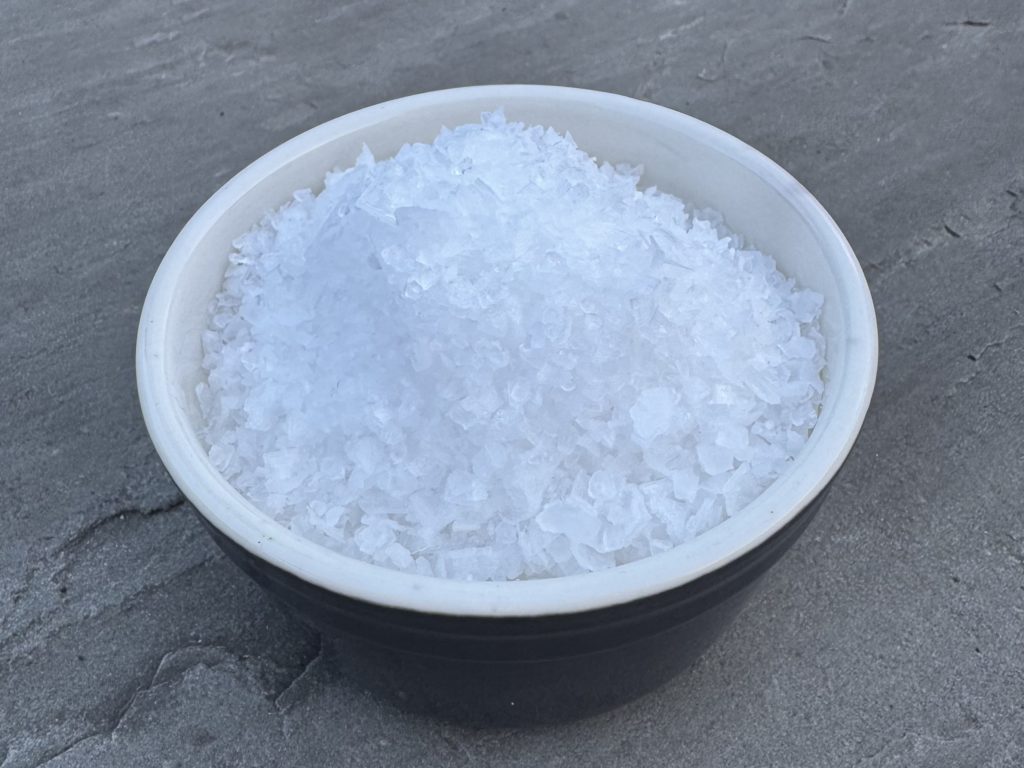
Most recipes finish with the line "season to taste" and most people skip it. They've added the salt the recipe told them to add, the dish looks done, the timer's gone off — what else is there to do?
A lot, actually. Seasoning to taste is the single biggest difference between food that's fine and food that's properly delicious. And it's not difficult — you just need to know what you're tasting for.
Before I really got into cooking, I used to make chicken parm with a homemade tomato sauce. The sauce was just passata, garlic, red chilli and onion. It always tasted flat and underwhelming and I could never figure out what was missing. I stopped making it eventually — looking back with what I know now, it was simply missing salt. I'd never thought of salt as having a place in a tomato sauce, but it is essential. Salt is a tomato's best friend and any tomato sauce will taste flat without it.
Try it yourself: take a cherry tomato, slice it in half, grind a little salt on one half and leave the other plain. Eat the plain one first, then the seasoned one. If you're new to seasoning, you'll probably be surprised by the difference. It's a great exercise to understand why seasoning matters in everything you cook.
What “season to taste” actually means
It means: taste your food, then adjust it. Specifically, you’re checking three things — is there enough salt, enough acid, and enough fat. Most recipes get the rough quantities right, but every ingredient varies. The tomatoes you bought might be sweeter than the ones the recipe was tested with. Your stock might be saltier. Your butter might be richer.
The recipe is a starting point. The seasoning at the end is where you make it actually taste good. Don’t be afraid of tuning it to your taste.
The three things you’re checking for
Salt. The most common reason food tastes flat is that it needs more salt. If your dish tastes “almost there” but somehow boring, it almost always wants more salt before it wants anything else.
Acid. A squeeze of lemon, a splash of vinegar, a spoonful of mustard. Acid lifts flavour and stops rich dishes feeling heavy. If your sauce tastes flat even after salting, it probably needs acid.
Fat. A knob of butter stirred in at the end of a sauce, a drizzle of good olive oil over the finished dish, a dollop of crème fraîche. Fat carries flavour and adds richness. If your dish tastes thin or sharp, fat might be the answer.
How to actually do it
Here’s the workflow. It takes about 30 seconds and transforms most dishes.
- Take a small spoonful of whatever you’re making. A real taste, not a tiny dab on your tongue.
- Wait two seconds. Pay attention to what your mouth tells you.
- Ask yourself: does this taste flat? Too rich? Too sharp? Boring?
- Adjust based on what you noticed — salt for flat, acid for rich, more salt for boring (it’s almost always more salt).
- Stir, taste again, repeat.
The mistake everyone makes
Adding everything at once. If you taste your food and decide it needs salt and lemon and butter, don’t add them all together. Add one, taste, then decide if it still needs more.
You’ll often find that adding one of those three things fixes the problem entirely. Trust the process.
The other mistake — once you start seasoning properly, it’s easy to add too much or forget about the seasoning of other elements. The first time I made Zozzona pasta, I seasoned the sauce to taste before adding the pecorino and without thinking about the salinity of the guanciale. The sauce tasted perfect on its own. Then the pecorino went in and pushed it over the edge, and the crispy guanciale on top finished it off — into properly inedible territory. Now I never season Zozzona’s sauce until after the pecorino is in, and I always consider the guanciale in the finished dish.
The lesson: don’t taste in isolation. Think about what’s still going to be added.
What about pepper?
Black pepper is a finishing flavour, not a base seasoning. Add it at the end, freshly ground, and only if the dish wants it. A lot of dishes don’t.
The honest truth
Restaurant food tastes better than most home cooking for one main reason — chefs season aggressively, taste constantly, and adjust until it’s right. Home cooks tend to follow the recipe and stop. Once you start tasting and adjusting, your cooking will jump up a level overnight.
The best compliment when you cook for people isn’t anyone telling you it tasted great. It’s noticing that no one reached for the salt at the table. That means you got the seasoning right before it ever left the kitchen.
Key Takeaways
- Taste your food before serving — every time, no exceptions
- The three things to check for are salt, acid, and fat
- Adjust one thing at a time and taste again before adding more
- Most "flat-tasting" food just needs more salt