


How to Care for a Cast Iron Skillet
Cast iron lasts a lifetime if you treat it right — and recovers from almost anything if you don't.
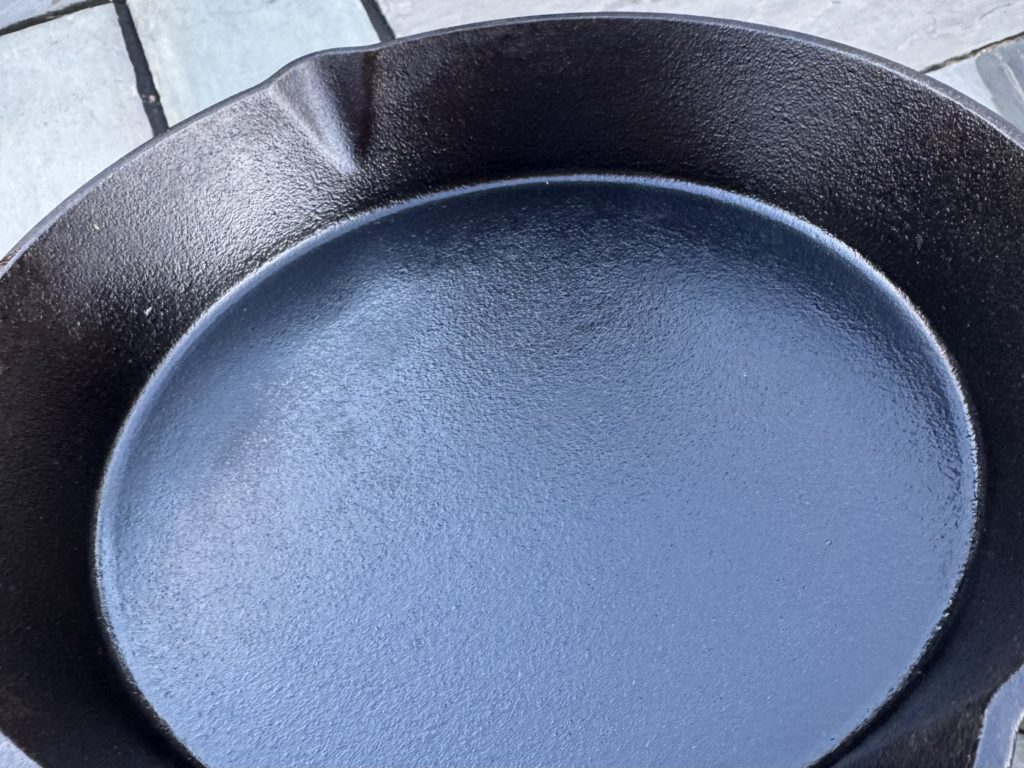
Cast iron has a reputation for being difficult. People treat it like a temperamental piece of equipment that needs constant attention, strict rules, and a library of special products to maintain. It isn't. It's one of the most forgiving things in the kitchen once you understand what it needs and why.
The basic principle is simple: keep it dry, keep it lightly oiled, and use it regularly. The seasoning — the non-stick layer that builds up over time — looks after itself if you do those three things. Neglect them and you'll get rust. But rust isn't the end of the pan. It's just the beginning of a lesson.
The mistakes are easy to make and easy to fix. Once you've made them once, you won't make them again.
What seasoning actually is
Seasoning is not a coating you apply once and forget. It’s a layer of polymerised oil — oil that has been heated past its smoke point and bonded to the iron surface. Over time, layer by layer, it builds into a hard, dark, non-stick patina. The more you cook with fat in a cast iron pan, the better the seasoning gets.
Most cast iron skillets come pre-seasoned from the factory. That initial layer is thin and fragile. The first few months of cooking build it up into something genuinely non-stick. Eggs are the test — when your cast iron can cook an egg without it sticking, the seasoning is where it needs to be.
Seasoning is also why cast iron looks the way it does. A well-seasoned pan is almost black, with a slight sheen. A new or poorly maintained pan is grey and dull. The colour tells you everything about how well it’s been looked after.
Why cast iron goes wrong
There are two ways cast iron fails: rust and stripped seasoning. Both are caused by the same basic mistakes.
Rust happens when iron is exposed to moisture and oxygen without a protective oil layer. Leave a cast iron pan wet — even damp — and rust will start forming. Leave it wet for long enough and you’ll come back to something that looks beyond saving. It isn’t, but it’s a bad day’s work to fix.
Stripped seasoning happens when the polymerised oil layer is physically removed. Harsh abrasives, metal scourers used too aggressively, soaking in soapy water, or cooking very acidic food repeatedly in an unseasoned pan will all strip the surface back. You’ll notice it when food starts sticking in places it didn’t before, or when the surface looks grey and patchy rather than uniformly dark.
I managed both within the first few months of owning my first cast iron. I scrubbed it too hard with something abrasive, never oiled it after drying, and came back to find it badly rusted. A wire brush and an afternoon of work got it back. The lesson wasn’t complicated — dry it, oil it, put it away.
How to clean it properly
Clean cast iron while it’s still warm. Hot water and a stiff brush or chainmail scrubber will remove almost anything. For stubborn stuck food, add hot water to the pan and put it back on the heat for a minute or two — it loosens everything.
- Rinse with hot water while warm. Not boiling, not cold. Warm pan, hot water.
- Scrub with a stiff brush or chainmail scrubber. Get everything off the surface. Don’t use steel wool or harsh metal scourers — they’re too aggressive and will scratch the seasoning.
- Dry it immediately and completely. Don’t leave it on the draining board. Put it straight onto a medium heat for a minute until all moisture has evaporated. You’ll see it change colour slightly as it dries.
- Apply a very light coat of oil. A few drops of cooking oil on a piece of kitchen paper, wiped across the entire surface inside and out. You want a thin film, not a visible layer — too much oil goes rancid.
- Store somewhere dry. Not in a cupboard where it’ll sit in its own moisture. Hanging or stacked with a cloth between pans if you’re stacking.
The soap question
The received wisdom is never use soap on cast iron. The reality is more nuanced than that.
The concern is that dish soap strips the seasoning. This was true of older soaps containing lye, which would genuinely dissolve the oil layer. Modern dish soap is milder — occasional light use won’t destroy a well-seasoned pan. The key word is occasional. Using a small amount of soap when you genuinely need it, followed by a thorough dry and oil, is fine. Using it every time, or leaving the pan soaking in soapy water, will strip it back over time.
The practical rule: use hot water and a brush first. If there’s something that really needs soap, use a small amount and make sure you dry and oil immediately afterwards. If your pan is well seasoned, a single wash with soap won’t set you back much. If it’s new or recently re-seasoned, avoid it until the patina has built up properly.
How to re-season
Re-seasoning is necessary when the surface has been stripped back — either by rust, over-scrubbing, or neglect. It’s also worth doing as a repair if you notice patches where food is sticking again.
For light re-seasoning — patchy surface, minor sticking:
- Clean the pan thoroughly and dry it completely on the hob.
- Apply a very thin layer of oil across the entire surface.
- Put it in the oven upside down at 220°C for an hour.
- Turn the oven off and leave the pan to cool inside it.
- Repeat two or three times if needed.
For heavy re-seasoning — rust, significant stripping:
- Remove the rust first. A wire brush, chainmail scrubber, or fine sandpaper will get back to bare metal. It looks bad. Keep going.
- Wash with warm soapy water to remove all residue. This is one time soap is the right call.
- Dry completely on the hob — you’re looking at bare iron now, it will rust again quickly if you leave it wet.
- Apply a thin layer of oil and follow the oven process above.
- Repeat three to four times to build the initial seasoning back up.
Any cooking oil works for re-seasoning. Flaxseed oil gets recommended frequently because it polymerises well — but the pan I recovered from badly rusted to properly seasoned was done with standard vegetable oil from a supermarket. Use what you have.
What to cook in it — and what to be careful with
Cast iron is genuinely versatile. Steaks, chicken thighs, pan sauces, cornbread, fried eggs — it handles all of it. The more you cook in it, the better the seasoning gets.
The one thing worth being aware of is acidic ingredients — tomatoes, wine, citrus — cooked for a long time in a cast iron pan. A short pan sauce after searing is fine. A two-hour tomato braise is harder on the seasoning. On a well-seasoned pan the effect is minimal. On a new or recently re-seasoned pan, repeated long acid cooking will strip it back over time. Save the long braises for a different pan until the seasoning is established.
I cook pan sauces in my cast iron all the time — the wine and stock go in while the pan is still very hot after searing, and the sauce is done in minutes. No issues with the seasoning and the fond that comes off the base of a cast iron pan into a sauce is exceptional.
The honest truth
Cast iron care is not complicated. The rules are: clean it while it’s warm, dry it completely, coat it lightly in oil, put it away. Do that every time and the seasoning builds itself.
The mythology around cast iron — the strict rules, the fear of soap, the idea that one mistake will ruin it permanently — puts people off owning a pan that’s genuinely one of the most useful things in a kitchen. A cast iron skillet is almost indestructible. I let mine rust badly enough that it looked like a prop from a shipwreck and got it back to a properly seasoned cooking surface in an afternoon.
Use it, look after it, and it’ll outlast everything else in the kitchen.
Key Takeaways
- Seasoning is polymerised oil bonded to the iron surface — it builds with use and looks after itself if you keep the pan dry and lightly oiled.
- Always dry cast iron completely on the hob after washing — residual moisture is what causes rust.
- A light coat of oil after every wash is all the maintenance most cast iron needs.
- Rust and stripped seasoning look terminal but aren't — both are recoverable with a wire brush and a few rounds of re-seasoning.