How to Use a Pizza Oven
A pizza oven is not a faster domestic oven. It's a different tool entirely — and once you understand what the heat is doing, everything else follows.
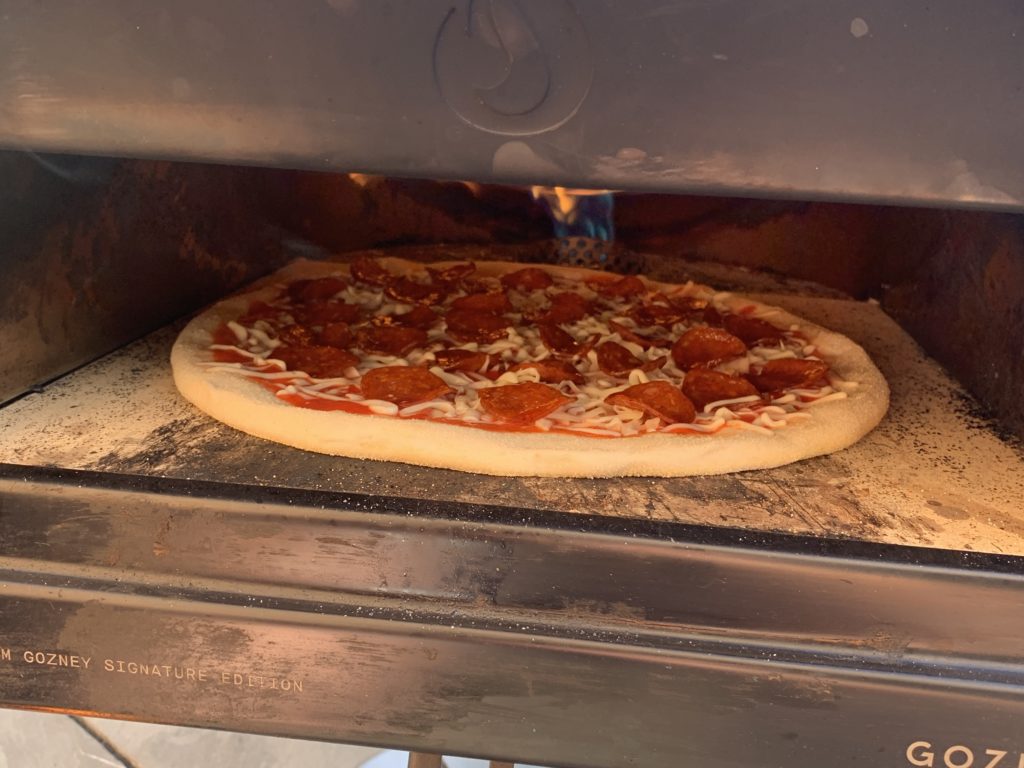
A pizza oven does one thing that a domestic oven cannot: it gets hot enough to cook a pizza properly. At 450°C, a pizza takes 60–90 seconds. The crust blisters and chars in patches — the leopard spotting that defines a Neapolitan pizza — while the base sets hard and crisp from the stone floor. At 250°C, the same pizza takes 8–10 minutes and produces something fundamentally different. It's not better or worse — it's a different product.
The technique required at those temperatures is also different. Things happen fast, mistakes can't be corrected mid-cook, and the margin between perfectly charred and burnt is measured in seconds. But once you understand the process, it becomes intuitive quickly.
This guide covers everything from getting the oven up to temperature to launching, turning, and reading the pizza as it cooks.
The heat is the whole story
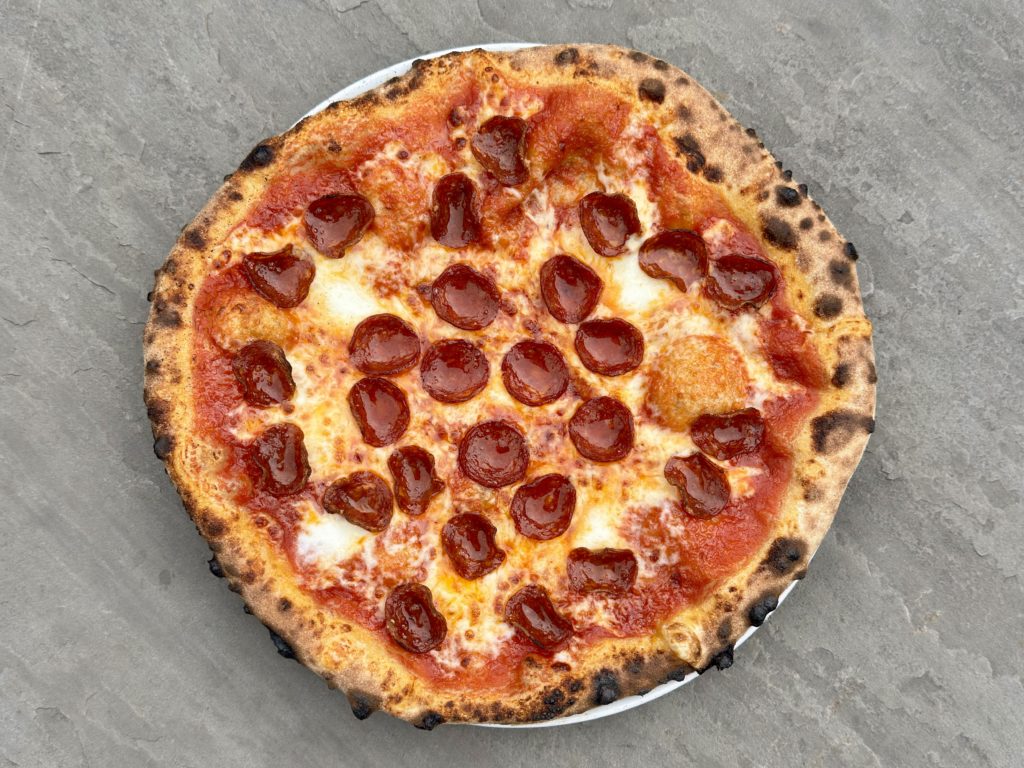
Everything that defines a great pizza from a wood-fired or gas pizza oven comes from the temperature, not the fuel. The leopard spotting on the crust, the rapid set of the base on the stone floor, the blistered edges that are simultaneously charred and airy — none of these happen below 400°C. All of them happen consistently at 450°C and above.
There is a common belief that wood-fired pizza tastes different from gas-fired pizza because of the wood smoke. In practice, at the temperatures a pizza oven operates and the speed at which the pizza cooks, the flavour difference is negligible. What wood does offer is a process — tending the fire, managing the flame — that some cooks enjoy. What gas offers is consistency and control with no meaningful flavour trade-off. The pizza is the same.
The oven floor is the other half of the heat equation. A thick stone or cordierite floor stores heat and transfers it rapidly to the base of the pizza the moment it lands. This is what sets the base hard and crisp in seconds rather than the slow bake of a domestic oven. The floor temperature matters as much as the air temperature — both need to be at target before the pizza goes in.
Getting the oven to temperature
Light the oven and run it on full heat until the stone floor reads 450°C. Use an infrared thermometer to check the floor directly — the air temperature and the floor temperature are different things, and it’s the floor that cooks the base of the pizza. In a Gozney Roccbox or similar, this typically takes 20–30 minutes from a cold start.
Once the floor reads 450°C, reduce the flame to around half before launching the pizza. Full flame at launch risks burning the top before the base has set. Half flame gives the base time to set on the hot stone while the crust chars gradually from the heat above.
Between pizzas, return the flame to full briefly to bring the floor temperature back up. The stone loses heat with every pizza — a cold floor from back-to-back launches produces a pale, undercooked base even when the air temperature is correct.
Dough and prep
Stretch the dough on a work surface dusted with fine semolina — not flour. Semolina is coarser and acts as ball bearings between the dough and the surface, preventing it from sticking without incorporating into the dough the way flour does. Once stretched to roughly the size you want, add your toppings on the counter. Keep them light — an overloaded pizza is harder to launch and takes longer to cook, which at these temperatures means a burnt crust before the toppings are done.
Once topped, dust the launching peel generously with fine semolina and slide it carefully under the pizza. Stretch gently to the edges of the peel if needed. Work quickly at this stage — the longer the pizza sits on the peel, the more the moisture from the toppings soaks into the dough and causes it to stick.
[DOUGH LINK PLACEHOLDER — link to pizza dough foundation recipe once published]
The peel
Use a perforated aluminium peel for launching — not a wooden one. Perforated aluminium is thin enough to slide cleanly under a stretched dough, and the holes prevent suction between the peel and the dough that causes sticking. Wooden peels are thicker and have a surface that grips the dough — fine for resting a pizza, not for launching one into a 450°C oven.
A turning peel is essential equipment for anything other than very small ovens. It’s a small, long-handled peel used to rotate the pizza mid-cook. Without one, turning a pizza in a 450°C oven is difficult and usually results in damage to the crust. Gozney and Ooni both make good versions — either works well.
Launching
Launching — sliding the pizza from the peel onto the oven floor — is the skill that takes the most practice. The motion is a sharp, confident forward and back: push the peel into the oven, position the front edge of the pizza where you want it to land, and pull the peel back quickly while holding the pizza in place with a slight forward tilt. The pizza slides off the peel and onto the stone.
Hesitation is the enemy. A slow, tentative launch gives the dough time to stick to the peel mid-motion. One confident movement gets the pizza onto the stone cleanly. If it doesn’t feel right before you launch — if the dough has stuck — lift the edges gently and add more semolina underneath rather than pushing it into the oven stuck.
Reading and turning the pizza
In most pizza ovens the flame comes from one side, which means one side of the pizza is always closer to the heat source than the other. The flame side will colour faster. Watch for leopard spotting — the dark, irregular charred patches on the crust that are the hallmark of a properly cooked Neapolitan pizza — to start appearing on the flame side first.
Before turning, test whether the base has set by gently lifting the edge of the pizza nearest the flame with the turning peel. If it lifts cleanly and feels firm, it’s ready to turn. If it feels soft or starts to fold, it needs more time. Turning too early — before the base has set — is the most common source of disaster: the pizza folds, tears, and often makes a mess on the oven floor that burns for the rest of the session.
Once the base has set, rotate 180 degrees with the turning peel to bring the uncharred side towards the flame. Continue turning any sections that need more colour towards the flame until the pizza is evenly spotted all the way around. The whole process takes 60–90 seconds at 450°C.
Beyond pizza
A pizza oven at 450°C is a powerful piece of kit that earns its place beyond pizza night. The extreme heat and stone floor make it excellent for bread — particularly flatbreads and focaccia — where the rapid heat from below produces a crust that a domestic oven can’t match. Vegetables char and blister beautifully at these temperatures in seconds. Steaks and lamb chops seared directly on the stone floor get a crust that rivals anything a cast iron pan can produce. The principle is the same as any high-heat cooking: the temperature does the work, and it does it fast.
The honest truth
The learning curve on a pizza oven is real but short. The first few launches will be imperfect — dough that sticks, pizzas that don’t sit straight on the stone, turns made too early. These are technique problems that resolve quickly with repetition, not equipment problems that require a better oven.
The most important habits to build early: always check the floor temperature before launching, reduce the flame before the pizza goes in, dust the peel generously with semolina and launch confidently, and don’t turn until the base has set. Get those four things right and the oven will produce a pizza that no domestic setup can come close to.
It’s also worth using year-round. A pizza oven outside in January produces exactly the same pizza as one in July. The weather is less pleasant, but the pizza doesn’t care.
Key Takeaways
- The flavour of pizza oven pizza comes from the temperature, not the fuel — gas and wood produce the same result at 450°C.
- Check the stone floor temperature with an infrared thermometer, not just the air temperature. The floor cooks the base.
- Reduce the flame to half before launching — full flame burns the top before the base sets.
- Don't turn until the base has set — test by lifting the edge gently with the turning peel. Turning too early is the most common cause of a ruined pizza.
Recipes that use this