Albóndigas are a Spanish tapas staple — pork meatballs seared until golden, then finished in a sherry and smoked paprika tomato sauce until tender. Panko keeps the texture light; a splash of sherry vinegar at the end lifts everything. Good enough to stand alone as a main.
Ingredients
- For the meatballs
- 500 g 20% Fat pork mince
- 15 g Butter
- 1 White onion, small, very finely diced
- 3 cloves Garlic, minced
- 40 g Panko breadcrumbs
- 1 Eggs
- 1 tbsp (4g) Flat-leaf parsley, finely chopped
- 1 tsp Sweet smoked paprika
- 10 g Fine sea salt
- Black pepper, to taste
- For the sauce
- 2 tbsp (27g) Extra virgin olive oil
- 1 White onion, finely diced
- 3 cloves Garlic, minced
- 1 tsp Sweet smoked paprika
- 1 tbsp (16g) Tomato purée
- 400 g Tinned plum tomatoes, crushed by hand
- 100 ml Dry sherry, or port, see notes
- 150 ml Chicken stock
- 1 Bay leaf
- 1 tsp (5g) Sherry vinegar
- Fine sea salt, to taste
- Black pepper, to taste
- To serve
- 1 tbsp (4g) Flat-leaf parsley, finely chopped
Equipment
- Two wide frying pans
Method
Heat the butter in a small frying pan over a medium-low heat. Add the onion with a small pinch of salt and cook, stirring occasionally, until completely soft and translucent — about 8–10 minutes. Tip onto a plate and leave to cool completely before using.
Add the pork mince, cooled onion, garlic, panko, egg, parsley, paprika, salt, and black pepper to a large bowl. Mix by hand until thoroughly combined — but stop as soon as the ingredients are fully incorporated.
Shape the mixture into walnut-sized balls, roughly 3cm across. Place on a plate or tray, keeping each one separate, and refrigerate for 20 minutes. Start the sauce while the meatballs chill.
Heat the olive oil in a wide frying pan over a medium heat. Add the onion and cook, stirring occasionally, until completely soft and starting to turn golden at the edges — about 12–15 minutes.
Add the garlic, tomato purée, and paprika. Stir and cook for 1–2 minutes, pressing the tomato purée against the base of the pan until it darkens slightly and the garlic is fragrant.
Pour in the dry sherry and stir to combine, scraping up any fond from the base of the pan. Let it reduce by half — about 3–4 minutes. Add the chicken stock, tinned tomatoes, and bay leaf. Stir, bring to a gentle simmer, and cook for 20 minutes until the sauce has thickened and deepened in colour.
While the sauce simmers, heat a second wide frying pan over a medium-high heat. Working in batches — do not crowd the pan — add the meatballs and cook until deeply browned on at least two sides. The meatballs do not need to be cooked through at this stage; they will finish in the sauce.
Pour the sauce into the meatball pan, scraping up any fond from the base. Stir to combine, bring back to a gentle simmer, and cook for 20 minutes until the meatballs are cooked through and the sauce has tightened around them. Remove the bay leaf.
Add the sherry vinegar and season to taste. Scatter over the parsley and serve immediately.
Notes & Substitutions
Mince: This recipe uses pork mince throughout. For a slightly richer meatball, a 50/50 blend of pork and beef works well — the beef adds body while the pork keeps the fat content high enough for moisture. Total weight stays at 500g.
Dry sherry: A fino or amontillado works best — dry, nutty, and with enough character to carry through the sauce. Port is a reasonable substitute if sherry isn’t available, though it’s sweeter and will give a slightly different result.
Stock: A good-quality reduced stock gives the sauce real body. A standard stock cube works but produces a thinner result. See Golden Chicken Stock if you want to make your own.
Serving: These work well as part of a tapas spread with bread to mop up the sauce. With rice or crusty bread and a simple salad, they hold up comfortably as a main course for two.
Make-ahead: The meatballs can be shaped and refrigerated up to 24 hours in advance. The sauce can be made a day ahead and refrigerated separately — combine and do the final 20-minute simmer when ready to serve.
You might also like
Albóndigas
Albóndigas are a Spanish tapas staple — pork meatballs seared until golden, then finished in a sherry and smoked paprika tomato sauce until tender. Panko keeps the texture light; a splash of sherry vinegar at the end lifts everything. Good enough to stand alone as a main.
Ingredients
- 500 g 20% Fat pork mince
- 15 g Butter
- 1 White onion (small, very finely diced)
- 3 cloves Garlic (minced)
- 40 g Panko breadcrumbs
- 1 Eggs
- 1 tbsp Flat-leaf parsley (finely chopped)
- 1 tsp Sweet smoked paprika
- 10 g Fine sea salt
- Black pepper (to taste)
- 2 tbsp Extra virgin olive oil
- 1 White onion (finely diced)
- 3 cloves Garlic (minced)
- 1 tsp Sweet smoked paprika
- 1 tbsp Tomato purée
- 400 g Tinned plum tomatoes (crushed by hand)
- 100 ml Dry sherry (or port, see notes)
- 150 ml Chicken stock
- 1 Bay leaf
- 1 tsp Sherry vinegar
- Fine sea salt (to taste)
- Black pepper (to taste)
- 1 tbsp Flat-leaf parsley (finely chopped)
Equipment
- Two wide frying pans
Method
Sweat the meatball onion
Heat the butter in a small frying pan over a medium-low heat. Add the onion with a small pinch of salt and cook, stirring occasionally, until completely soft and translucent — about 8–10 minutes. Tip onto a plate and leave to cool completely before using.
For this step: 15 g Butter, 1 White onion
Mix and shape the meatballs
Add the pork mince, cooled onion, garlic, panko, egg, parsley, paprika, salt, and black pepper to a large bowl. Mix by hand until thoroughly combined — but stop as soon as the ingredients are fully incorporated.
Shape the mixture into walnut-sized balls, roughly 3cm across. Place on a plate or tray, keeping each one separate, and refrigerate for 20 minutes. Start the sauce while the meatballs chill.
For this step: 500 g 20% Fat pork mince, 3 cloves Garlic, 40 g Panko breadcrumbs, 1 Eggs, 1 tbsp Flat-leaf parsley, 1 tsp Sweet smoked paprika, 10 g Fine sea salt, Black pepper
Build the sauce base
Heat the olive oil in a wide frying pan over a medium heat. Add the onion and cook, stirring occasionally, until completely soft and starting to turn golden at the edges — about 12–15 minutes.
Add the garlic, tomato purée, and paprika. Stir and cook for 1–2 minutes, pressing the tomato purée against the base of the pan until it darkens slightly and the garlic is fragrant.
For this step: 2 tbsp Extra virgin olive oil, 1 White onion, 3 cloves Garlic, 1 tsp Sweet smoked paprika, 1 tbsp Tomato purée
Add sherry and tomatoes
Pour in the dry sherry and stir to combine, scraping up any fond from the base of the pan. Let it reduce by half — about 3–4 minutes. Add the chicken stock, tinned tomatoes, and bay leaf. Stir, bring to a gentle simmer, and cook for 20 minutes until the sauce has thickened and deepened in colour.
For this step: 400 g Tinned plum tomatoes, 100 ml Dry sherry, 150 ml Chicken stock, 1 Bay leaf
Brown the meatballs
While the sauce simmers, heat a second wide frying pan over a medium-high heat. Working in batches — do not crowd the pan — add the meatballs and cook until deeply browned on at least two sides. The meatballs do not need to be cooked through at this stage; they will finish in the sauce.
Finish in the sauce
Pour the sauce into the meatball pan, scraping up any fond from the base. Stir to combine, bring back to a gentle simmer, and cook for 20 minutes until the meatballs are cooked through and the sauce has tightened around them. Remove the bay leaf.
Add the sherry vinegar and season to taste. Scatter over the parsley and serve immediately.
For this step: 1 tsp Sherry vinegar, Fine sea salt, Black pepper, 1 tbsp Flat-leaf parsley
Notes & Substitutions
Mince: This recipe uses pork mince throughout. For a slightly richer meatball, a 50/50 blend of pork and beef works well — the beef adds body while the pork keeps the fat content high enough for moisture. Total weight stays at 500g.
Dry sherry: A fino or amontillado works best — dry, nutty, and with enough character to carry through the sauce. Port is a reasonable substitute if sherry isn’t available, though it’s sweeter and will give a slightly different result.
Stock: A good-quality reduced stock gives the sauce real body. A standard stock cube works but produces a thinner result. See Golden Chicken Stock if you want to make your own.
Serving: These work well as part of a tapas spread with bread to mop up the sauce. With rice or crusty bread and a simple salad, they hold up comfortably as a main course for two.
Make-ahead: The meatballs can be shaped and refrigerated up to 24 hours in advance. The sauce can be made a day ahead and refrigerated separately — combine and do the final 20-minute simmer when ready to serve.

Free guide: How to Cook Properly
How to Cook Properly — the 11 principles that turn average into outstanding
Equipment worth having
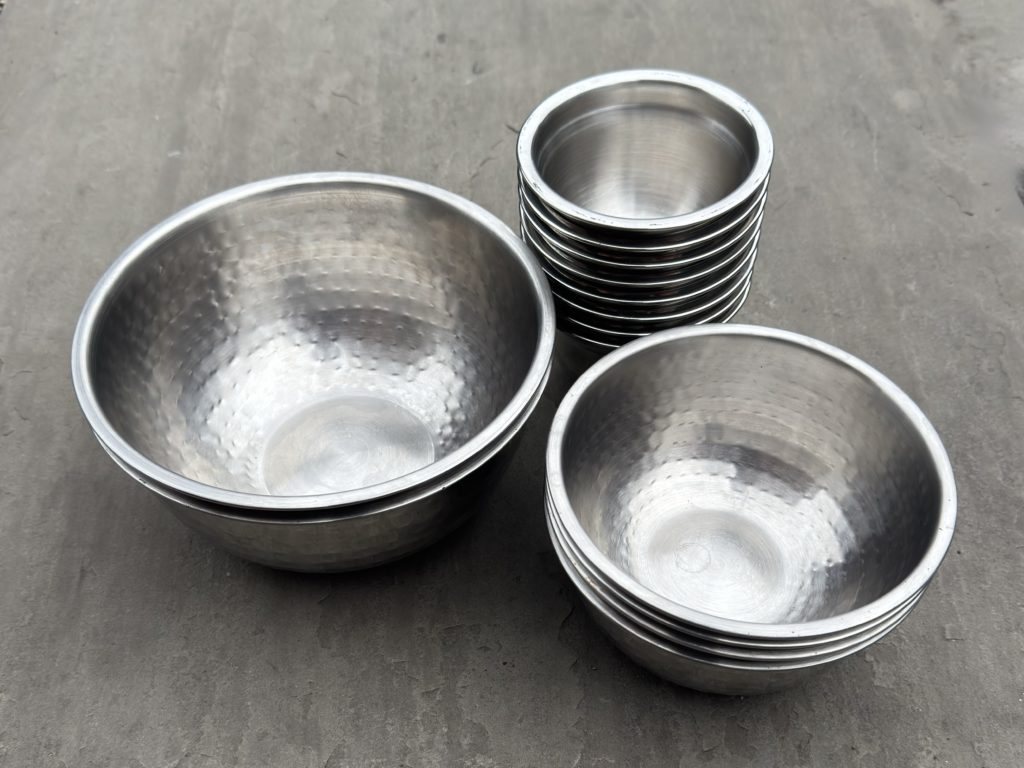
One bowl per ingredient. It sounds simple. It changes everything.
£25-£75
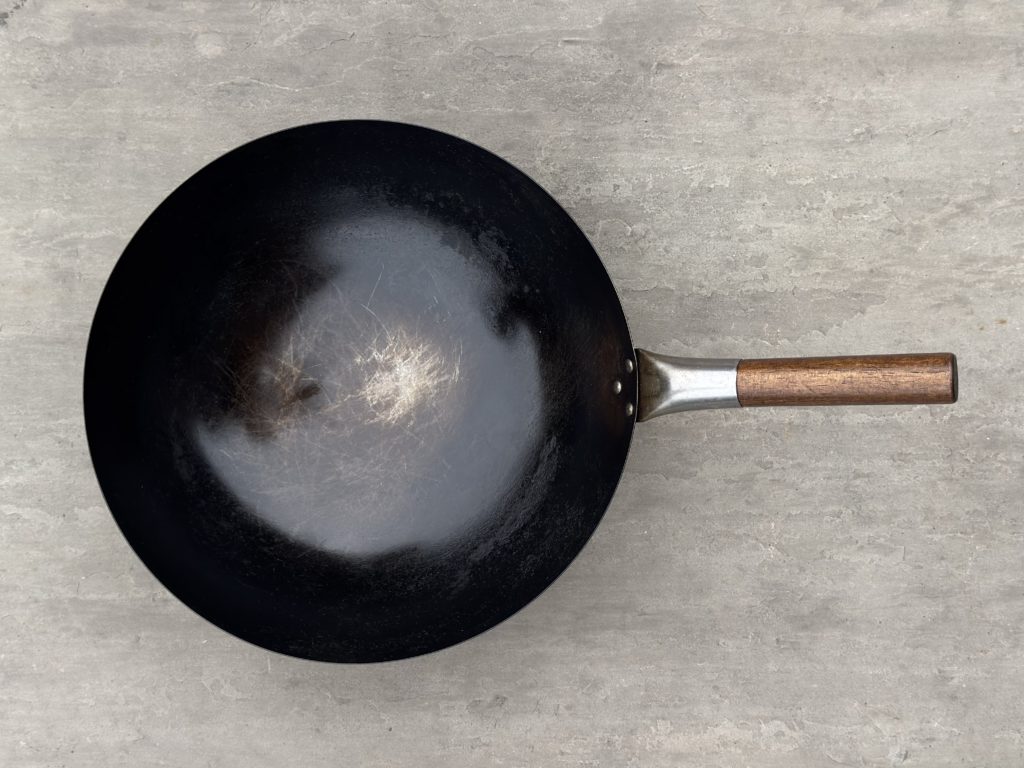
The wok costs £25. The heat underneath it is what you're really paying for.
£10-£25
One bowl per ingredient. It sounds simple. It changes everything.
£25-£75
The wok costs £25. The heat underneath it is what you're really paying for.
£10-£25
One bowl per ingredient. It sounds simple. It changes everything.
£25-£75
The wok costs £25. The heat underneath it is what you're really paying for.
£10-£25
Shape what comes next
Got a recipe you'd love to see, or an idea to make the site better? We read every suggestion.
Log in to suggest