Mushroom risotto is often misunderstood. Too often, it's made heavy — overloaded with cream, truffle oil, or too many competing flavours — until the rice becomes little more than a vehicle for richness. A proper risotto should be more restrained. The rice should hold its shape, the stock should be absorbed slowly, and the mushrooms should bring depth, not dominance.
This version keeps things simple. Rice toasted properly, stock added patiently, and mushrooms cooked until their flavour is concentrated and earthy. Butter and Parmesan are folded through at the end, not to overwhelm, but to bring everything into balance. Done well, mushroom risotto proves that comfort food can still be precise.
Ingredients
- Risotto
- 150 g Carnaroli or Arborio rice
- 2 Shallots, finely diced
- 100 g Celery, finely diced
- 2 cloves Garlic, finely minced
- 20 g Dried porcini mushrooms, or dried mixed wild mushrooms
- 150 ml Dry white wine
- 1000 ml Chicken stock
- 30 g Butter
- 30 g Extra virgin olive oil
- Fine sea salt, to taste
- Black pepper, to taste
- Mushrooms
- 250 g Chestnut mushrooms, sliced
- 15 g Butter
- 15 g Extra virgin olive oil
- To finish
- 25 g Parmesan, finely grated
- 30 g Butter, cold, cubed
- 10 g Fresh lemon juice
- 5 g Flat-leaf parsley, finely chopped
Equipment
- Saucier or wide heavy-bottomed pan →
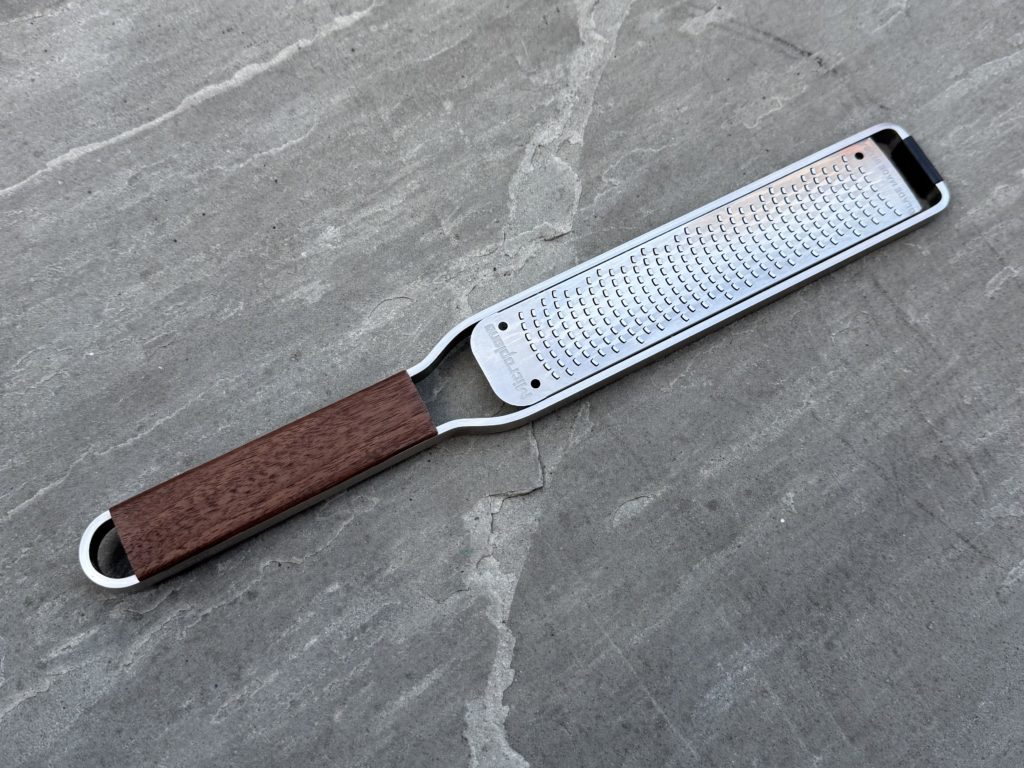
- Fine Microplane grater →
- Small frying pan
Method
Soak the dried mushrooms in boiled water for 30 minutes. Strain through a cloth and keep the soaking liquid. Rinse the rehydrated mushrooms to remove any grit, then finely dice. Dice the shallots and celery, mince the garlic, slice the chestnut mushrooms, weigh the rice, grate the Parmesan, and cube the cold butter — return it to the fridge until needed.
Strain the mushroom soaking liquid through a cloth and combine with the chicken stock in a saucepan. Bring to a gentle simmer and keep warm throughout cooking.
Heat the butter and olive oil in a wide, heavy-based saucier over medium-low heat. Add the shallots, celery, and a pinch of salt. Sweat slowly for 5–7 minutes until completely soft and translucent — no colour.
Add the garlic and rehydrated dried mushrooms. Cook for 1 minute until fragrant.
Add the rice and toast for 3–4 minutes, stirring frequently. The grains should turn slightly translucent at the edges and smell faintly nutty.
Pour in the wine and stir continuously until almost completely absorbed and the alcohol smell has cooked off — about 1–2 minutes.
Add the first ladle of hot stock. Stir slowly and continuously. When the stock is mostly absorbed and the rice looks almost dry, add another ladle. Repeat for 18–22 minutes.
If the stock runs out before the rice is ready, switch to hot water — by this point the stock flavour is fully integrated and hot water will finish the job without diluting anything.
While the risotto cooks, heat the butter and olive oil in a small frying pan over medium-high heat until foaming. Add the sliced chestnut mushrooms in a single layer and leave undisturbed for 2–3 minutes until deeply browned on the underside. Toss and cook for a further 1–2 minutes. Season with salt and pepper and set aside.
After about 20 minutes, start tasting. The rice is ready when there is no white core in a grain bitten in half — tender throughout with a slight bite.
Remove the pan from the heat. Stir in the cooked mushrooms, a squeeze of fresh lemon juice, the Parmesan, and the cold butter cubes. Stir vigorously to emulsify. Taste and adjust the seasoning and lemon. Stir through the parsley.
Spoon onto warm plates immediately. The risotto should spread and settle into a flat, glossy pool — not sit in a mound. If it has tightened too much, loosen with a splash of hot stock before serving. Finish with extra grated Parmesan and a crack of black pepper.
Notes & Substitutions
Rice: Carnaroli is the preferred choice — it has a firmer grain and releases starch more gradually, giving more control over the final texture. Arborio is easier to find in most supermarkets and works well; the result is slightly creamier and a little less precisely al dente. Both combine correctly on the shopping list across recipes.
Porcini: Dried porcini are stocked in most larger supermarkets, usually near the pasta or jarred goods. Dried mixed wild mushrooms are an easy substitute and broadly available — the flavour is slightly less pronounced but still earns its place. Whichever you use, rinse well before soaking and strain the liquid through a cloth to remove any grit.
Stock: The stock is the backbone of the risotto — its quality matters. A good homemade chicken stock will give the dish real depth. See the golden chicken stock recipe if you want to make your own. A good shop-bought stock works; a stock cube is the last resort and produces a thinner, less rounded result.
Richer finish: For a richer result, fold in a tablespoon of mascarpone or a splash of double cream along with the cold butter at the mantecatura stage. Adds extra silkiness — particularly good if you are serving the risotto as a standalone dish rather than a side.
Variations: The method scales to other risottos cleanly. Once the technique is there, swap the mushrooms for almost any flavour — squash and sage, prawn and lemon, asparagus and pea. The principles stay the same.
You might also like
Mushroom Risotto
Mushroom risotto is often misunderstood. Too often, it's made heavy — overloaded with cream, truffle oil, or too many competing flavours — until the rice becomes little more than a vehicle for richness. A proper risotto should be more restrained. The rice should hold its shape, the stock should be absorbed slowly, and the mushrooms should bring depth, not dominance.
This version keeps things simple. Rice toasted properly, stock added patiently, and mushrooms cooked until their flavour is concentrated and earthy. Butter and Parmesan are folded through at the end, not to overwhelm, but to bring everything into balance. Done well, mushroom risotto proves that comfort food can still be precise.
Ingredients
- 150 g Carnaroli or Arborio rice
- 2 Shallots (finely diced)
- 100 g Celery (finely diced)
- 2 cloves Garlic (finely minced)
- 20 g Dried porcini mushrooms (or dried mixed wild mushrooms)
- 150 ml Dry white wine
- 1000 ml Chicken stock
- 30 g Butter
- 30 g Extra virgin olive oil
- Fine sea salt (to taste)
- Black pepper (to taste)
- 250 g Chestnut mushrooms (sliced)
- 15 g Butter
- 15 g Extra virgin olive oil
- 25 g Parmesan (finely grated)
- 30 g Butter (cold, cubed)
- 10 g Fresh lemon juice
- 5 g Flat-leaf parsley (finely chopped)
Equipment
- Saucier or wide heavy-bottomed pan
- Fine Microplane grater
- Small frying pan
Method
Mise en place
Soak the dried mushrooms in boiled water for 30 minutes. Strain through a cloth and keep the soaking liquid. Rinse the rehydrated mushrooms to remove any grit, then finely dice. Dice the shallots and celery, mince the garlic, slice the chestnut mushrooms, weigh the rice, grate the Parmesan, and cube the cold butter — return it to the fridge until needed.
Strain the mushroom soaking liquid through a cloth and combine with the chicken stock in a saucepan. Bring to a gentle simmer and keep warm throughout cooking.
For this step: 150 g Carnaroli or Arborio rice, 2 Shallots, 100 g Celery, 2 cloves Garlic, 20 g Dried porcini mushrooms, 1000 ml Chicken stock, 250 g Chestnut mushrooms, 25 g Parmesan, 30 g Butter
Build the base
Heat the butter and olive oil in a wide, heavy-based saucier over medium-low heat. Add the shallots, celery, and a pinch of salt. Sweat slowly for 5–7 minutes until completely soft and translucent — no colour.
Add the garlic and rehydrated dried mushrooms. Cook for 1 minute until fragrant.
For this step: 30 g Butter, 30 g Extra virgin olive oil
Toast the rice
Add the rice and toast for 3–4 minutes, stirring frequently. The grains should turn slightly translucent at the edges and smell faintly nutty.
For this step: 150 g Carnaroli or Arborio rice
Add the wine
Pour in the wine and stir continuously until almost completely absorbed and the alcohol smell has cooked off — about 1–2 minutes.
For this step: 150 ml Dry white wine
Build with stock
Add the first ladle of hot stock. Stir slowly and continuously. When the stock is mostly absorbed and the rice looks almost dry, add another ladle. Repeat for 18–22 minutes.
If the stock runs out before the rice is ready, switch to hot water — by this point the stock flavour is fully integrated and hot water will finish the job without diluting anything.
Cook the mushrooms
While the risotto cooks, heat the butter and olive oil in a small frying pan over medium-high heat until foaming. Add the sliced chestnut mushrooms in a single layer and leave undisturbed for 2–3 minutes until deeply browned on the underside. Toss and cook for a further 1–2 minutes. Season with salt and pepper and set aside.
For this step: 15 g Butter, 15 g Extra virgin olive oil
Test and finish
After about 20 minutes, start tasting. The rice is ready when there is no white core in a grain bitten in half — tender throughout with a slight bite.
Remove the pan from the heat. Stir in the cooked mushrooms, a squeeze of fresh lemon juice, the Parmesan, and the cold butter cubes. Stir vigorously to emulsify. Taste and adjust the seasoning and lemon. Stir through the parsley.
For this step: 25 g Parmesan, 30 g Butter, 10 g Fresh lemon juice, 5 g Flat-leaf parsley
Serve
Spoon onto warm plates immediately. The risotto should spread and settle into a flat, glossy pool — not sit in a mound. If it has tightened too much, loosen with a splash of hot stock before serving. Finish with extra grated Parmesan and a crack of black pepper.
Notes & Substitutions
Rice: Carnaroli is the preferred choice — it has a firmer grain and releases starch more gradually, giving more control over the final texture. Arborio is easier to find in most supermarkets and works well; the result is slightly creamier and a little less precisely al dente. Both combine correctly on the shopping list across recipes.
Porcini: Dried porcini are stocked in most larger supermarkets, usually near the pasta or jarred goods. Dried mixed wild mushrooms are an easy substitute and broadly available — the flavour is slightly less pronounced but still earns its place. Whichever you use, rinse well before soaking and strain the liquid through a cloth to remove any grit.
Stock: The stock is the backbone of the risotto — its quality matters. A good homemade chicken stock will give the dish real depth. See the golden chicken stock recipe if you want to make your own. A good shop-bought stock works; a stock cube is the last resort and produces a thinner, less rounded result.
Richer finish: For a richer result, fold in a tablespoon of mascarpone or a splash of double cream along with the cold butter at the mantecatura stage. Adds extra silkiness — particularly good if you are serving the risotto as a standalone dish rather than a side.
Variations: The method scales to other risottos cleanly. Once the technique is there, swap the mushrooms for almost any flavour — squash and sage, prawn and lemon, asparagus and pea. The principles stay the same.

Free guide: How to Cook Properly
How to Cook Properly — the 11 principles that turn average into outstanding
Equipment worth having
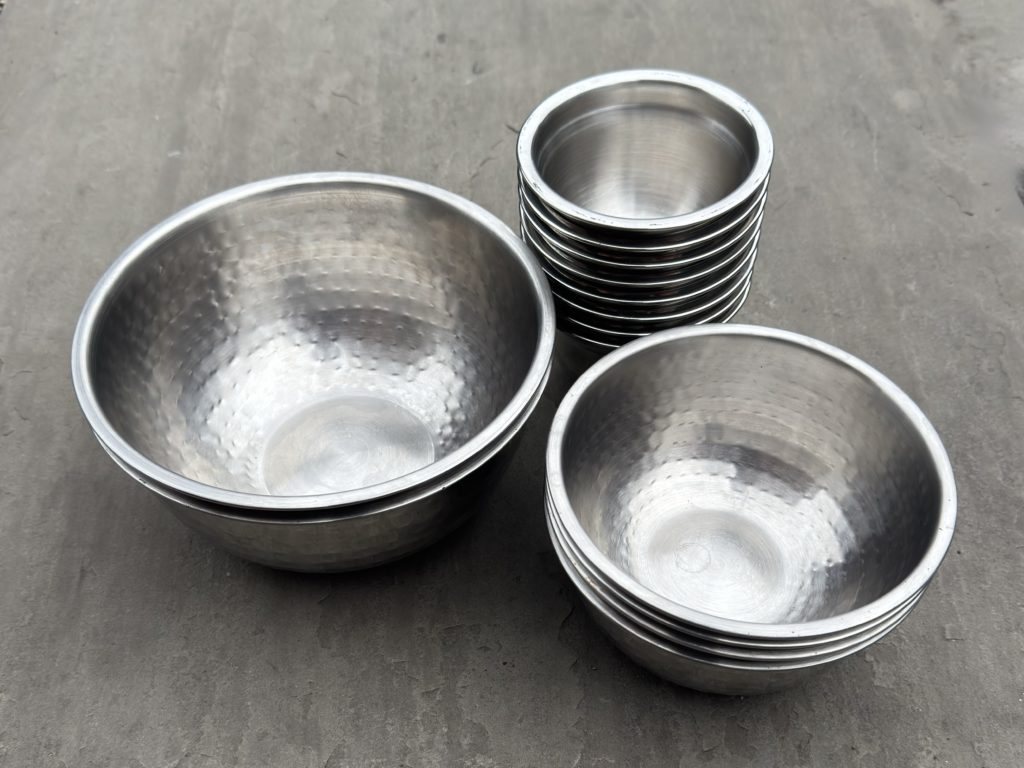
One bowl per ingredient. It sounds simple. It changes everything.
£25-£75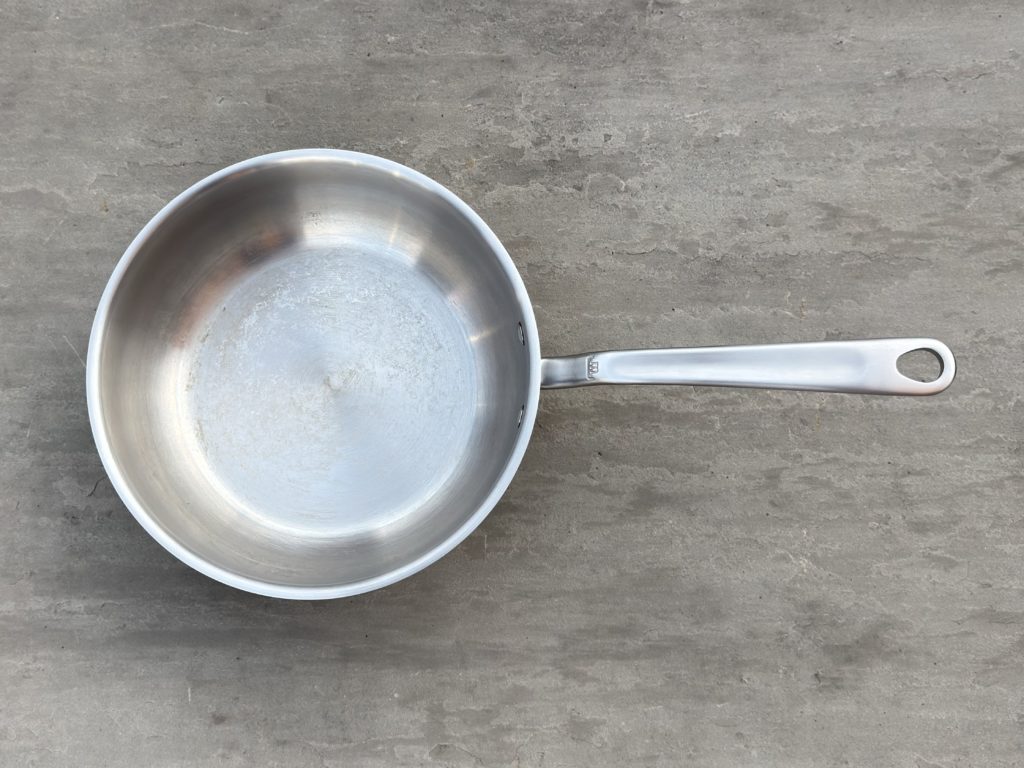
One bowl per ingredient. It sounds simple. It changes everything.
£25-£75
One bowl per ingredient. It sounds simple. It changes everything.
£25-£75
Shape what comes next
Got a recipe you'd love to see, or an idea to make the site better? We read every suggestion.
Log in to suggest