Good meatballs come down to two things: a properly browned crust and a sauce that's been given time to develop. These are finished with a knob of cold butter stirred in off the heat, which rounds out the acidity of the tomatoes without needing sugar. A spoon of hand-made pesto and thick garlic toast on the side turn it into a proper meal rather than just meatballs and sauce.
Ingredients
- For the meatballs
- 300 g 20% Fat pork mince, 20% fat
- 40 g Ricotta
- 1 Eggs
- 25 g Panko breadcrumbs
- 25 g Parmesan, finely grated
- 2 cloves Garlic, finely grated
- 8 g Flat-leaf parsley, finely chopped
- 4.5 g Fine sea salt, 1.2% of the mince weight
- 1.5 g Black pepper, freshly ground
- For the sauce
- 400 g Tinned plum tomatoes, blended or passed through a food mill
- 3 cloves Garlic, finely sliced
- 25 g Parmesan
- 20 g Extra virgin olive oil
- 10 g Butter, chilled
- For the toast
- 2 slices (100g) Sourdough
- 20 g Extra virgin olive oil
- Fine sea salt, a pinch
- 1 tsp Dried oregano
- 1 cloves Garlic, halved
- For the pesto
- 50 g Fresh basil, leaves picked
- 30 g Pine nuts, toasted and cooled
- 1 cloves Garlic, minced
- 35 g Parmesan, finely grated
- 15 g Pecorino Romano, finely grated
- 80 g Extra virgin olive oil
- 1 tsp (5g) Fresh lemon juice
- 0.25 tsp (5g) Fine sea salt
- To finish
- 30 g Pecorino Romano, finely grated, or Parmesan
Equipment
- Stainless steel frying pan
- Food processor
- Food mill
- Microplane grater →
Method
Combine the pork mince, ricotta, egg, panko, Parmesan, garlic, parsley, salt, and black pepper in a bowl. Mix until just combined and shape into medium meatballs.
Heat a large stainless steel frying pan over a medium heat with a drizzle of neutral oil. Place the meatballs in the pan with space between each to prevent steaming, and brown on one side without moving them. See how to sear properly for the technique. They should release easily with a shake of the pan once properly browned — if they stick, leave them a little longer.
Flip and brown one further side, cooking in batches if the pan is too crowded to fit them all with space between.
Push the meatballs to one side of the pan and add the olive oil to the empty space. Add the sliced garlic and cook for around 1 minute, watching closely — it should not colour, as burnt garlic will turn the whole dish bitter.
Add the blended plum tomatoes and stir to combine, scraping up any fond from the base of the pan. Bring to a simmer and cook for 30 minutes.
While the sauce simmers, preheat the oven to 200°C (392°F). Drizzle the sourdough slices with olive oil on both sides — you may need slightly more or less depending on the bread. Season with salt and sprinkle over the dried oregano.
Place in the oven for 10–15 minutes until golden and crisp.
Slice the garlic clove in half and rub the toast all over with the cut side while it’s still warm. Slice each piece in half.
While the sauce continues to simmer, toast the pine nuts in a dry frying pan over a medium heat until golden and fragrant. Tip onto a plate to cool completely before blending.
Pick the basil leaves, mince the garlic clove for the pesto, and finely grate the Parmesan and Pecorino on a microplane.
Add the salt, garlic, and cooled pine nuts to a food processor and pulse into a coarse crumb. Add the basil and pulse until chopped but still coarse, scraping down the sides as needed.
Add the cheeses and lemon juice and pulse to combine. With the processor running on a low speed, drizzle in the olive oil until just combined, stopping as soon as the pesto is thick and spoonable.
Season to taste, adding a little more lemon juice if you’d like more brightness.
After 30 minutes, remove the pan from the heat and stir in the Parmesan and chilled butter until fully melted and combined. Season to taste.
Spoon the meatballs and sauce into a bowl, add a generous spoon of pesto to the side, and place the garlic toast alongside. Finish with a sprinkle of the remaining grated Pecorino or Parmesan.
Notes & Substitutions
Tinned tomatoes: good quality whole peeled plum tomatoes make a real difference here — look for ones labelled San Marzano or a similar Italian DOP tomato where possible. Passing them through a food mill removes the seeds and skin for a smoother sauce than blending alone.
Pesto storage: keeps in the fridge for up to 4 days with a thin layer of olive oil poured over the top to stop it oxidising and browning.
Make-ahead: both the sauce and the pesto can be made a day ahead and reheated gently — the sauce especially benefits from a night in the fridge for the flavours to settle.
Bread: a sturdy, open-crumbed sourdough holds up best to the olive oil and toasting. A softer sandwich loaf will crisp less evenly.
You might also like
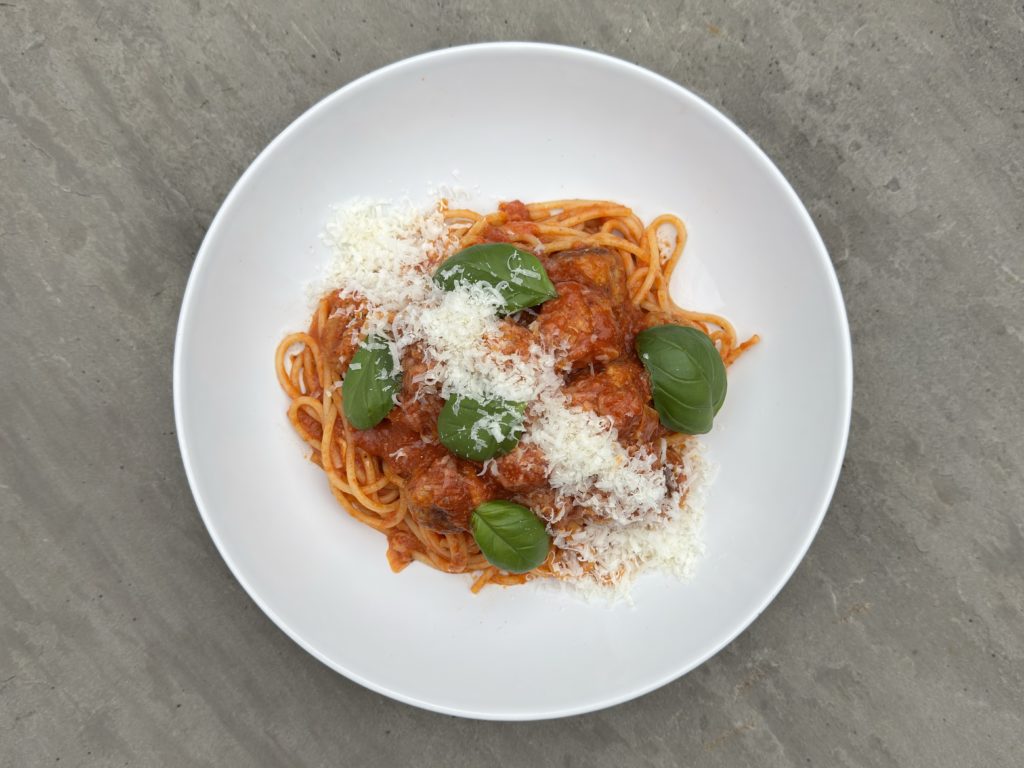
Meatballs in Tomato Sauce with Pesto
Good meatballs come down to two things: a properly browned crust and a sauce that's been given time to develop. These are finished with a knob of cold butter stirred in off the heat, which rounds out the acidity of the tomatoes without needing sugar. A spoon of hand-made pesto and thick garlic toast on the side turn it into a proper meal rather than just meatballs and sauce.
Ingredients
- 300 g 20% Fat pork mince (20% fat)
- 40 g Ricotta
- 1 Eggs
- 25 g Panko breadcrumbs
- 25 g Parmesan (finely grated)
- 2 cloves Garlic (finely grated)
- 8 g Flat-leaf parsley (finely chopped)
- 4.5 g Fine sea salt (1.2% of the mince weight)
- 1.5 g Black pepper (freshly ground)
- 400 g Tinned plum tomatoes (blended or passed through a food mill)
- 3 cloves Garlic (finely sliced)
- 25 g Parmesan
- 20 g Extra virgin olive oil
- 10 g Butter (chilled)
- 2 slices Sourdough
- 20 g Extra virgin olive oil
- Fine sea salt (a pinch)
- 1 tsp Dried oregano
- 1 cloves Garlic (halved)
- 50 g Fresh basil (leaves picked)
- 30 g Pine nuts (toasted and cooled)
- 1 cloves Garlic (minced)
- 35 g Parmesan (finely grated)
- 15 g Pecorino Romano (finely grated)
- 80 g Extra virgin olive oil
- 1 tsp Fresh lemon juice
- 0.25 tsp Fine sea salt
- 30 g Pecorino Romano (finely grated, or Parmesan)
Equipment
- Stainless steel frying pan
- Food processor
- Food mill
- Microplane grater
Method
Shape the meatballs
Combine the pork mince, ricotta, egg, panko, Parmesan, garlic, parsley, salt, and black pepper in a bowl. Mix until just combined and shape into medium meatballs.
For this step: 300 g 20% Fat pork mince, 40 g Ricotta, 1 Eggs, 25 g Panko breadcrumbs, 25 g Parmesan, 2 cloves Garlic, 8 g Flat-leaf parsley, 4.5 g Fine sea salt, 1.5 g Black pepper
Brown the meatballs
Heat a large stainless steel frying pan over a medium heat with a drizzle of neutral oil. Place the meatballs in the pan with space between each to prevent steaming, and brown on one side without moving them. See how to sear properly for the technique. They should release easily with a shake of the pan once properly browned — if they stick, leave them a little longer.
Flip and brown one further side, cooking in batches if the pan is too crowded to fit them all with space between.
Build the sauce
Push the meatballs to one side of the pan and add the olive oil to the empty space. Add the sliced garlic and cook for around 1 minute, watching closely — it should not colour, as burnt garlic will turn the whole dish bitter.
Add the blended plum tomatoes and stir to combine, scraping up any fond from the base of the pan. Bring to a simmer and cook for 30 minutes.
For this step: 400 g Tinned plum tomatoes, 3 cloves Garlic, 20 g Extra virgin olive oil
Make the garlic toast
While the sauce simmers, preheat the oven to 200°C (392°F). Drizzle the sourdough slices with olive oil on both sides — you may need slightly more or less depending on the bread. Season with salt and sprinkle over the dried oregano.
Place in the oven for 10–15 minutes until golden and crisp.
For this step: 2 slices Sourdough, 20 g Extra virgin olive oil, Fine sea salt, 1 tsp Dried oregano
Rub and slice the toast
Slice the garlic clove in half and rub the toast all over with the cut side while it’s still warm. Slice each piece in half.
For this step: 1 cloves Garlic
Toast the pine nuts
While the sauce continues to simmer, toast the pine nuts in a dry frying pan over a medium heat until golden and fragrant. Tip onto a plate to cool completely before blending.
For this step: 30 g Pine nuts
Make the pesto
Pick the basil leaves, mince the garlic clove for the pesto, and finely grate the Parmesan and Pecorino on a microplane.
Add the salt, garlic, and cooled pine nuts to a food processor and pulse into a coarse crumb. Add the basil and pulse until chopped but still coarse, scraping down the sides as needed.
Add the cheeses and lemon juice and pulse to combine. With the processor running on a low speed, drizzle in the olive oil until just combined, stopping as soon as the pesto is thick and spoonable.
Season to taste, adding a little more lemon juice if you’d like more brightness.
For this step: 50 g Fresh basil, 1 cloves Garlic, 35 g Parmesan, 15 g Pecorino Romano, 80 g Extra virgin olive oil, 1 tsp Fresh lemon juice, 0.25 tsp Fine sea salt
Finish the sauce
After 30 minutes, remove the pan from the heat and stir in the Parmesan and chilled butter until fully melted and combined. Season to taste.
For this step: 25 g Parmesan, 10 g Butter
Serve
Spoon the meatballs and sauce into a bowl, add a generous spoon of pesto to the side, and place the garlic toast alongside. Finish with a sprinkle of the remaining grated Pecorino or Parmesan.
For this step: 30 g Pecorino Romano
Notes & Substitutions
Tinned tomatoes: good quality whole peeled plum tomatoes make a real difference here — look for ones labelled San Marzano or a similar Italian DOP tomato where possible. Passing them through a food mill removes the seeds and skin for a smoother sauce than blending alone.
Pesto storage: keeps in the fridge for up to 4 days with a thin layer of olive oil poured over the top to stop it oxidising and browning.
Make-ahead: both the sauce and the pesto can be made a day ahead and reheated gently — the sauce especially benefits from a night in the fridge for the flavours to settle.
Bread: a sturdy, open-crumbed sourdough holds up best to the olive oil and toasting. A softer sandwich loaf will crisp less evenly.

Free guide: How to Cook Properly
How to Cook Properly — the 11 principles that turn average into outstanding
Equipment worth having
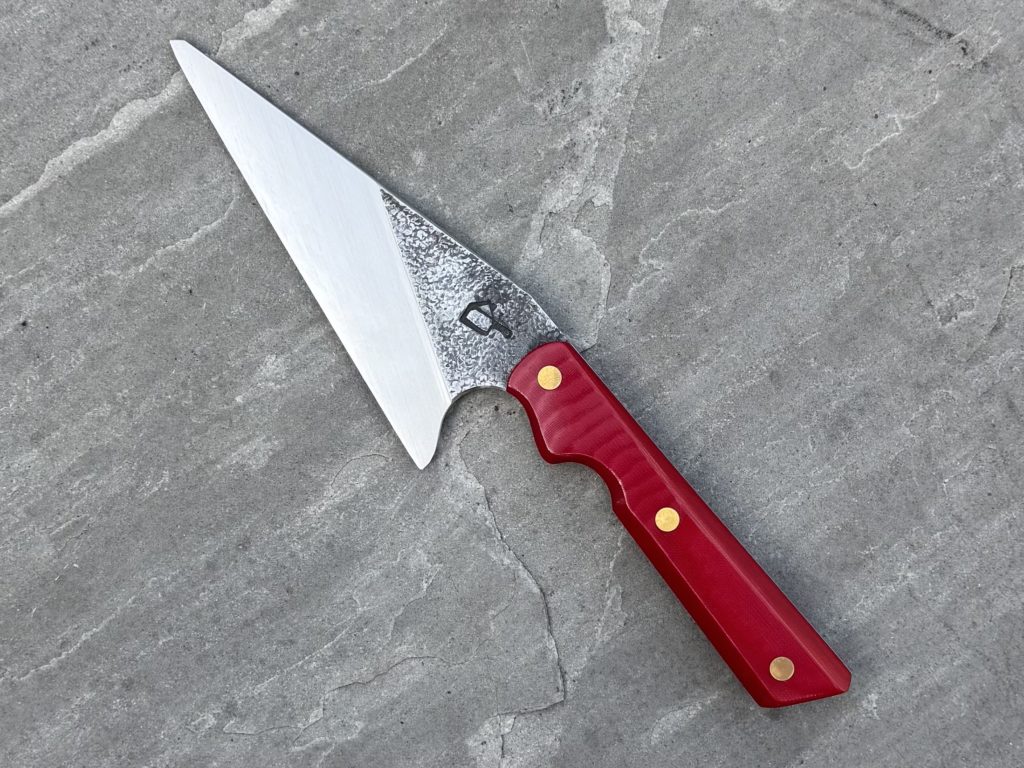
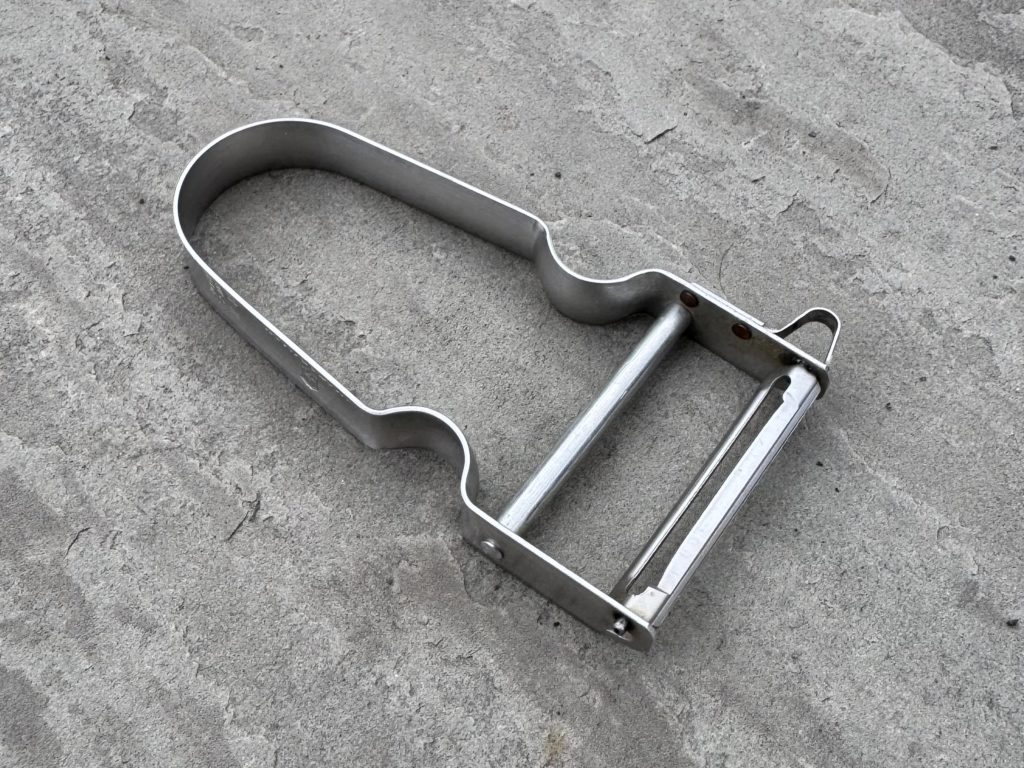
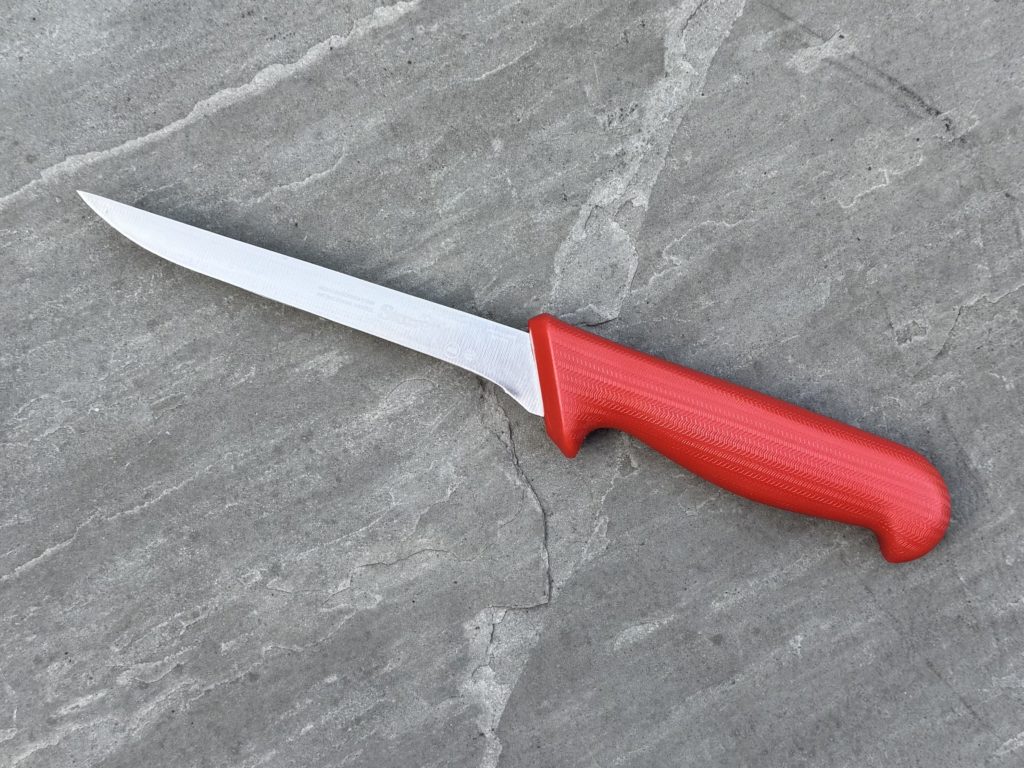

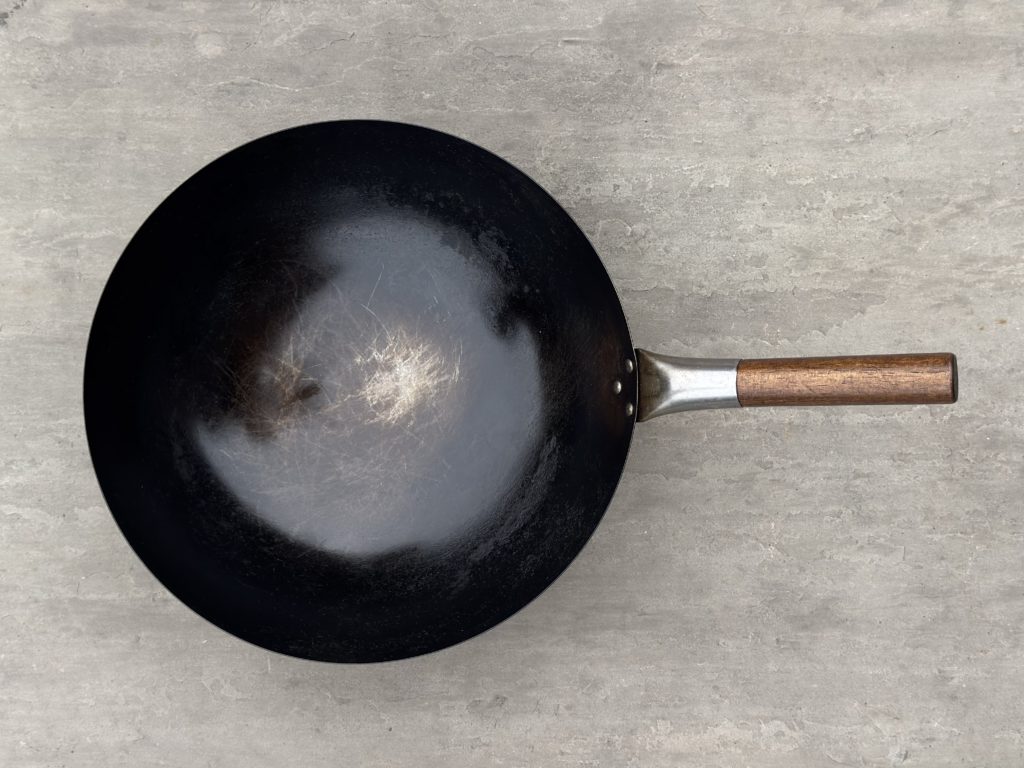
The wok costs £25. The heat underneath it is what you're really paying for.
£10-£25
The wok costs £25. The heat underneath it is what you're really paying for.
£10-£25
The wok costs £25. The heat underneath it is what you're really paying for.
£10-£25Shape what comes next
Got a recipe you'd love to see, or an idea to make the site better? We read every suggestion.
Log in to suggest