Milanese is the Italian technique of battering and frying thin cuts of meat in breadcrumbs — veal is traditional, chicken is the more practical version for a home kitchen and no less good. The result is a thin, shatteringly crisp cutlet that stays juicy inside because the crust seals fast in hot oil.
The brown butter caper sauce is the thing that elevates it. Nutty, sharp, slightly salty — it cuts through the richness of the fried chicken in a way that a plain lemon wedge doesn't. The rocket salad alongside keeps it fresh and makes this feel like a restaurant plate without much effort.
Ingredients
- Chicken
- 2 Chicken breast, butterflied and pounded thin
- 1 tsp Fine sea salt
- 1 tsp Black pepper, freshly ground
- 50 g Plain flour
- 1 Eggs
- 1 tbsp Whole milk
- 70 g Panko breadcrumbs
- 15 g Parmesan, finely grated
- 500 g Neutral deep frying oil
- Brown butter caper sauce
- 40 g Butter
- 1 tbsp (9g) Capers, rinsed and dried
- 5 g Flat-leaf parsley, finely chopped
- 20 g Fresh lemon juice
- 0.5 Lemon zest
- Black pepper, to taste
- Rocket salad
- 10 g Fresh lemon juice
- 20 g Extra virgin olive oil
- 60 g Rocket
- 20 g Parmesan, shaved
- Crispy capers (optional)
- 1 tbsp (9g) Capers, rinsed and dried
Equipment
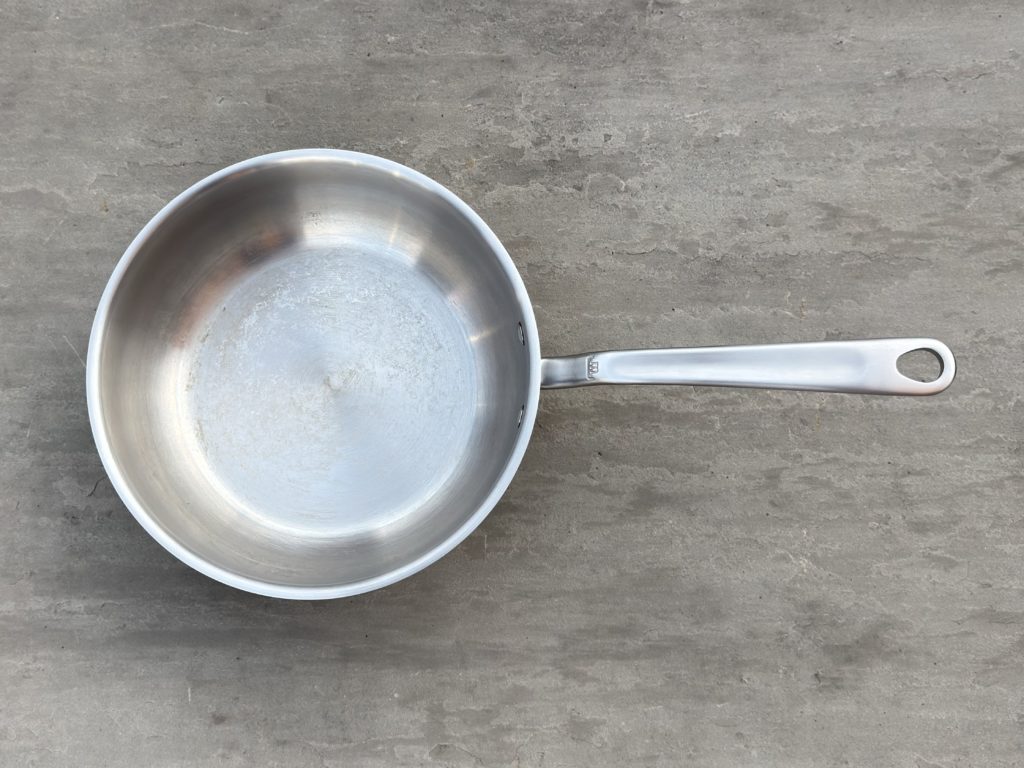
- Wide frying pan
- Small saucepan
- Wire rack
Method
Season the chicken breasts generously with fine sea salt on both sides. Place uncovered on a tray in the fridge overnight.
Butterfly each breast by slicing horizontally through the thickest part, stopping just before you cut all the way through, then opening it out flat. Place between two sheets of greaseproof paper and pound to an even 0.5–1cm thickness using a rolling pin or the flat base of a heavy pan. Work gradually from the centre outwards with steady, firm strokes — rushing or striking too hard will tear the meat.
Set up three shallow bowls in a line. Bowl one: plain flour seasoned with fine sea salt and black pepper. Bowl two: eggs beaten with the milk. Bowl three: panko breadcrumbs mixed with the grated Parmesan. Preheat around 1cm of neutral oil in a wide frying pan to 180°C (355°F).
Working one cutlet at a time, coat thoroughly in the seasoned plain flour, shaking off any excess. Transfer to the egg wash and coat completely, letting any excess drip off. Press firmly into the panko and Parmesan mixture, turning and pressing to ensure an even, well-adhered crust on both sides. Set aside on a tray and leave to rest for 5 minutes before frying.
While the breaded chicken rests, place the butter in a small saucepan over medium-high heat. The butter will melt, then foam, then the foam will subside — at this point watch it closely. The milk solids will begin to turn golden and then brown, and the butter will smell distinctly nutty. Remove from the heat the moment it turns a deep amber colour and smells of toasted hazelnuts. Add the capers and let them sizzle.
Lay the breaded cutlets into the hot oil away from you, one at a time. Fry for around 3 minutes per side until deeply golden and crisp. Cook in batches if both cutlets don’t fit with space between them. Remove to a wire rack to drain — not kitchen paper, which traps steam and softens the crust. If in doubt, check with a thermometer and pull at 65°C (149°F) — rest for a minute before serving.
Off the heat, add the flat-leaf parsley, lemon juice, lemon zest, and a few grinds of black pepper. Stir to combine and taste — it should be sharp, nutty, and slightly salty from the capers.
If making crispy capers, ensure they are thoroughly dried on kitchen paper — any residual moisture will cause the oil to spit violently. Add to the hot frying oil after the chicken is done and stand back. They will sizzle aggressively. Remove when the sizzling subsides and they are crisp — around 1–2 minutes. Drain on a wire rack and use immediately.
Add the lemon juice and extra virgin olive oil to a small bowl with a pinch of salt and a grind of black pepper. Whisk until emulsified. Taste and adjust the seasoning before tossing the rocket and Parmesan shavings in the dressing to coat. Serve the chicken on warmed plates, spoon the brown butter sauce generously over and around, pile the salad alongside, and scatter the crispy capers over if using.
Notes & Substitutions
Chicken temperature: The cutlets are thin enough that 3 minutes per side in properly heated oil will cook them through. If in doubt, check with a thermometer — pull at 65°C (149°F) and rest briefly. See the chicken temperature guide for more detail.
Panko vs standard breadcrumbs: Panko gives a lighter, crispier, more open crust than standard dried breadcrumbs. It is worth seeking out — most large supermarkets stock it. Standard breadcrumbs produce a denser crust that absorbs more oil.
Parmesan in the crust: Use finely grated Parmesan rather than coarsely grated — fine Parmesan distributes evenly through the crumb and melts into the crust as it fries. Coarse Parmesan sits in clumps and can burn before the crust is done.
Veal: The traditional Milanese is made with veal escalope rather than chicken — same technique, same sauce. If you can source good veal, the method is identical.
You might also like
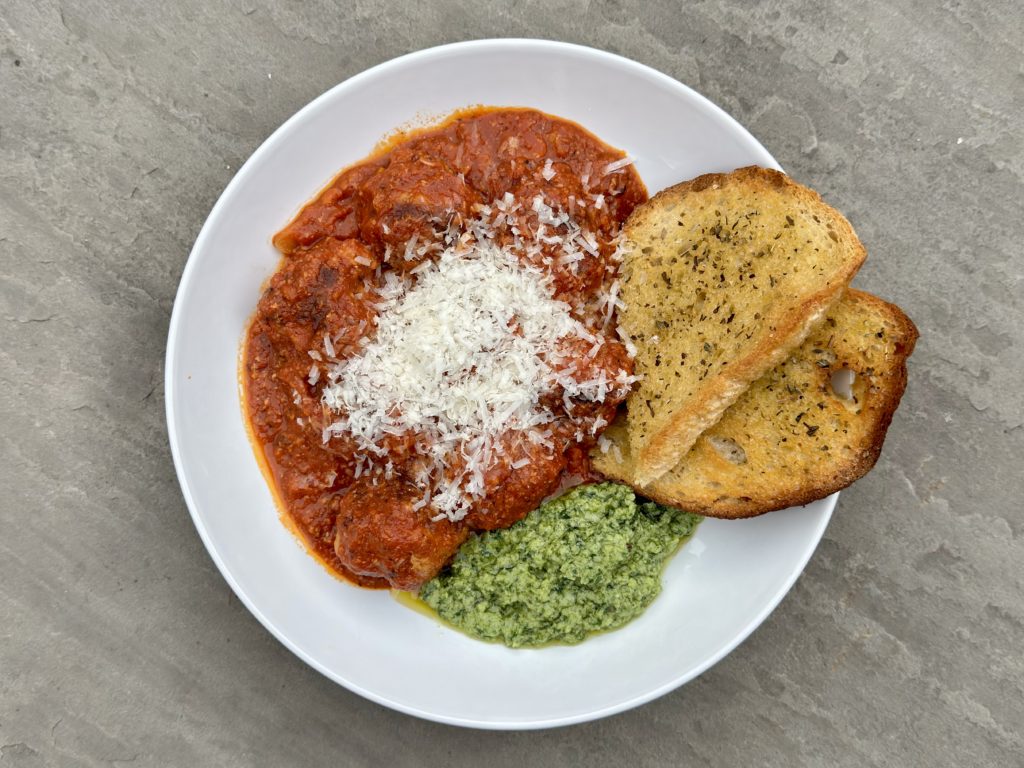
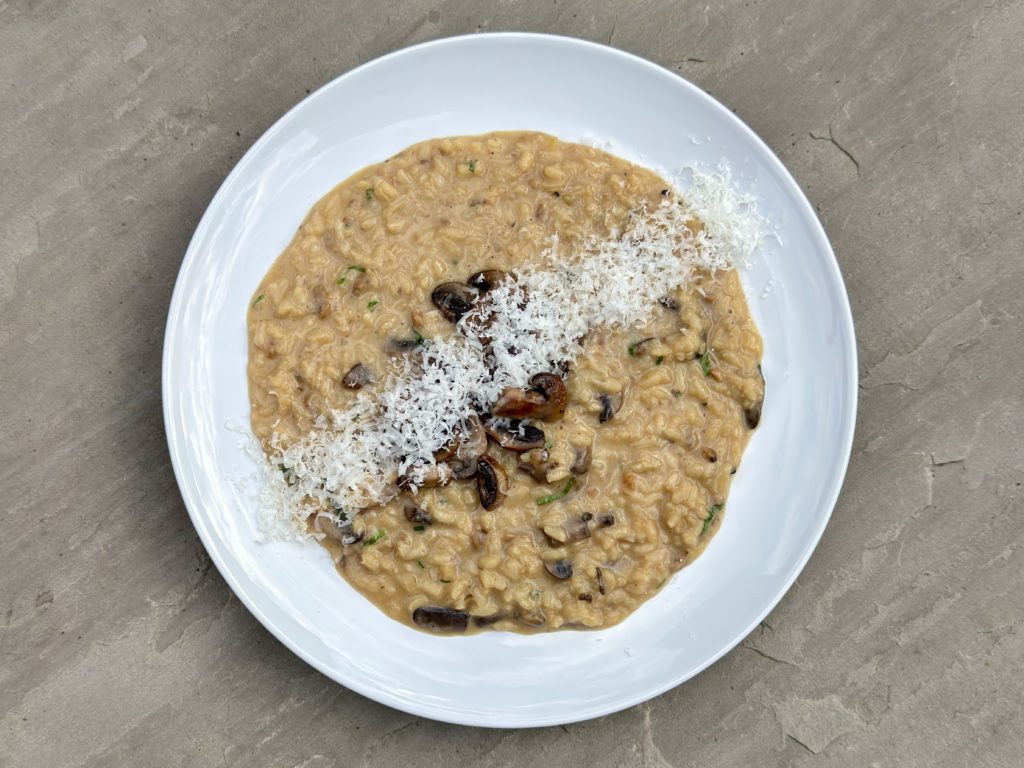
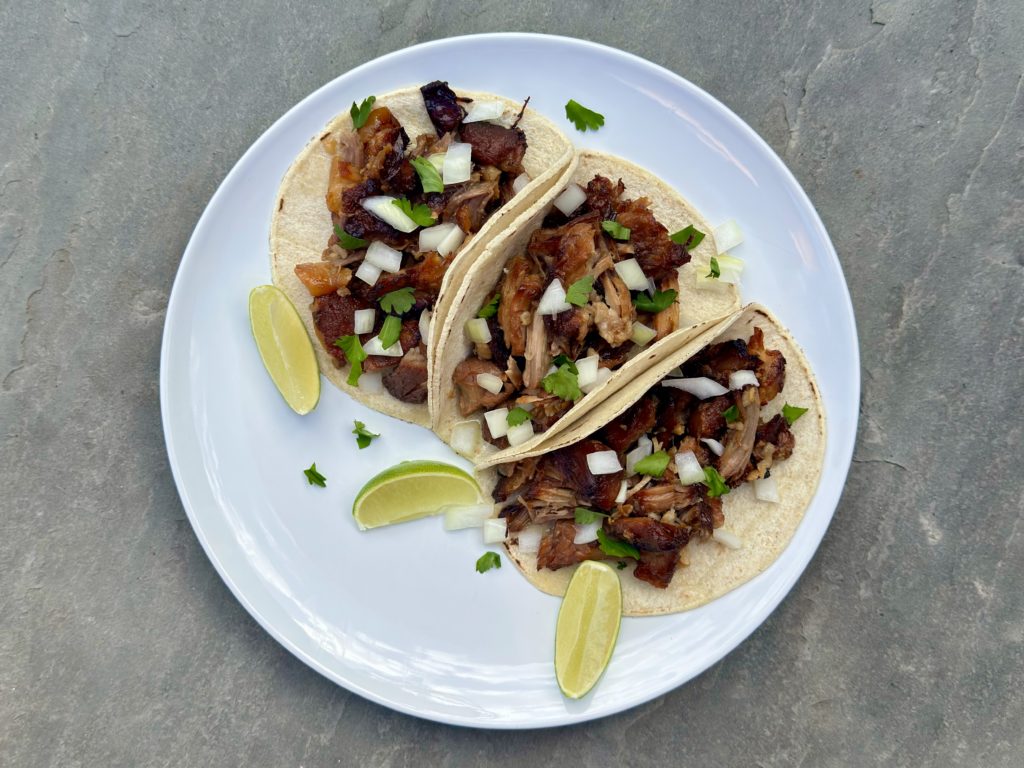
Chicken Milanese
Milanese is the Italian technique of battering and frying thin cuts of meat in breadcrumbs — veal is traditional, chicken is the more practical version for a home kitchen and no less good. The result is a thin, shatteringly crisp cutlet that stays juicy inside because the crust seals fast in hot oil.
The brown butter caper sauce is the thing that elevates it. Nutty, sharp, slightly salty — it cuts through the richness of the fried chicken in a way that a plain lemon wedge doesn't. The rocket salad alongside keeps it fresh and makes this feel like a restaurant plate without much effort.
Ingredients
- 2 Chicken breast (butterflied and pounded thin)
- 1 tsp Fine sea salt
- 1 tsp Black pepper (freshly ground)
- 50 g Plain flour
- 1 Eggs
- 1 tbsp Whole milk
- 70 g Panko breadcrumbs
- 15 g Parmesan (finely grated)
- 500 g Neutral deep frying oil
- 40 g Butter
- 1 tbsp Capers (rinsed and dried)
- 5 g Flat-leaf parsley (finely chopped)
- 20 g Fresh lemon juice
- 0.5 Lemon zest
- Black pepper (to taste)
- 10 g Fresh lemon juice
- 20 g Extra virgin olive oil
- 60 g Rocket
- 20 g Parmesan (shaved)
- 1 tbsp Capers (rinsed and dried)
Equipment
- Wide frying pan
- Small saucepan
- Wire rack
Method
Season the chicken
Season the chicken breasts generously with fine sea salt on both sides. Place uncovered on a tray in the fridge overnight.
For this step: 2 Chicken breast, 1 tsp Fine sea salt
Butterfly and pound the chicken
Butterfly each breast by slicing horizontally through the thickest part, stopping just before you cut all the way through, then opening it out flat. Place between two sheets of greaseproof paper and pound to an even 0.5–1cm thickness using a rolling pin or the flat base of a heavy pan. Work gradually from the centre outwards with steady, firm strokes — rushing or striking too hard will tear the meat.
Set up the breading stations
Set up three shallow bowls in a line. Bowl one: plain flour seasoned with fine sea salt and black pepper. Bowl two: eggs beaten with the milk. Bowl three: panko breadcrumbs mixed with the grated Parmesan. Preheat around 1cm of neutral oil in a wide frying pan to 180°C (355°F).
For this step: 1 tsp Fine sea salt, 1 tsp Black pepper, 50 g Plain flour, 1 Eggs, 1 tbsp Whole milk, 70 g Panko breadcrumbs, 15 g Parmesan
Bread the chicken
Working one cutlet at a time, coat thoroughly in the seasoned plain flour, shaking off any excess. Transfer to the egg wash and coat completely, letting any excess drip off. Press firmly into the panko and Parmesan mixture, turning and pressing to ensure an even, well-adhered crust on both sides. Set aside on a tray and leave to rest for 5 minutes before frying.
Brown the butter
While the breaded chicken rests, place the butter in a small saucepan over medium-high heat. The butter will melt, then foam, then the foam will subside — at this point watch it closely. The milk solids will begin to turn golden and then brown, and the butter will smell distinctly nutty. Remove from the heat the moment it turns a deep amber colour and smells of toasted hazelnuts. Add the capers and let them sizzle.
For this step: 40 g Butter, 1 tbsp Capers
Fry the chicken
Lay the breaded cutlets into the hot oil away from you, one at a time. Fry for around 3 minutes per side until deeply golden and crisp. Cook in batches if both cutlets don’t fit with space between them. Remove to a wire rack to drain — not kitchen paper, which traps steam and softens the crust. If in doubt, check with a thermometer and pull at 65°C (149°F) — rest for a minute before serving.
Finish the brown butter sauce
Off the heat, add the flat-leaf parsley, lemon juice, lemon zest, and a few grinds of black pepper. Stir to combine and taste — it should be sharp, nutty, and slightly salty from the capers.
For this step: 5 g Flat-leaf parsley, 20 g Fresh lemon juice, 0.5 Lemon zest, Black pepper
Fry the crispy capers
If making crispy capers, ensure they are thoroughly dried on kitchen paper — any residual moisture will cause the oil to spit violently. Add to the hot frying oil after the chicken is done and stand back. They will sizzle aggressively. Remove when the sizzling subsides and they are crisp — around 1–2 minutes. Drain on a wire rack and use immediately.
For this step: 1 tbsp Capers
Make the salad and serve
Add the lemon juice and extra virgin olive oil to a small bowl with a pinch of salt and a grind of black pepper. Whisk until emulsified. Taste and adjust the seasoning before tossing the rocket and Parmesan shavings in the dressing to coat. Serve the chicken on warmed plates, spoon the brown butter sauce generously over and around, pile the salad alongside, and scatter the crispy capers over if using.
For this step: 10 g Fresh lemon juice, 20 g Extra virgin olive oil, 60 g Rocket, 20 g Parmesan, 1 tbsp Capers
Notes & Substitutions
Chicken temperature: The cutlets are thin enough that 3 minutes per side in properly heated oil will cook them through. If in doubt, check with a thermometer — pull at 65°C (149°F) and rest briefly. See the chicken temperature guide for more detail.
Panko vs standard breadcrumbs: Panko gives a lighter, crispier, more open crust than standard dried breadcrumbs. It is worth seeking out — most large supermarkets stock it. Standard breadcrumbs produce a denser crust that absorbs more oil.
Parmesan in the crust: Use finely grated Parmesan rather than coarsely grated — fine Parmesan distributes evenly through the crumb and melts into the crust as it fries. Coarse Parmesan sits in clumps and can burn before the crust is done.
Veal: The traditional Milanese is made with veal escalope rather than chicken — same technique, same sauce. If you can source good veal, the method is identical.

Free guide: How to Cook Properly
How to Cook Properly — the 11 principles that turn average into outstanding
Equipment worth having
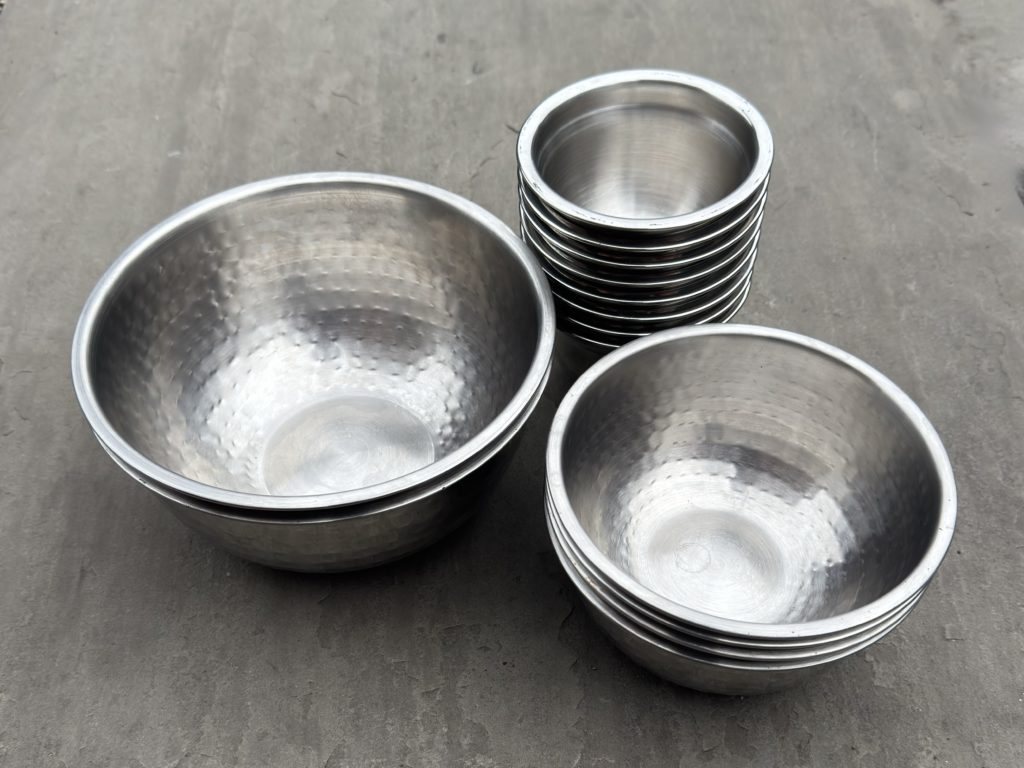
One bowl per ingredient. It sounds simple. It changes everything.
£25-£75
One bowl per ingredient. It sounds simple. It changes everything.
£25-£75
One bowl per ingredient. It sounds simple. It changes everything.
£25-£75
Shape what comes next
Got a recipe you'd love to see, or an idea to make the site better? We read every suggestion.
Log in to suggest