Homemade gnocchi made from baked Maris Piper potatoes, passed through a fine sieve while still hot and worked with just enough flour to hold together. Finished in a portion of the slow-braised beef and pork ragu with cold butter stirred through at the end. The gnocchi takes genuine attention from start to finish — too much flour and they become dense, overcook them by a few seconds and they fall apart. Get it right and they are the best vehicle for a ragu you will make.
Ingredients
- Gnocchi dough
- 500 g Maris Piper potatoes, or King Edward
- 150 g Plain flour, plus extra for dusting — you may not need it all
- 1 Eggs, yolk only
- 5 g Fine sea salt
- To serve
- 400 g Beef and pork ragu, see notes
- 30 g Butter, cold, diced
- 30 g Parmesan, finely grated
- 10 g Fresh basil, leaves
Equipment
- Fine drum sieve or potato ricer
- Bench scraper
- Large saucepan
- Gnocchi board (optional)
Method
Stab the Maris Piper potatoes several times with a fork and place directly on the oven rack at 180°C (355°F) fan. Bake for 1 hour 20 minutes until the skin is completely crisp and the interior is tender throughout when pierced with a skewer. Do not wrap in foil — the skin must be exposed to crisp and allow moisture to escape.
As soon as the potatoes come out of the oven, slice in half and scoop the flesh away from the skin. Working in batches, press the hot flesh through a fine sieve using the back of a large spoon — push with steady, direct pressure rather than stirring or mashing. The potato should come through as a light, dry, fluffy mound. Spread on a clean work surface and leave to steam for a few minutes.
Sprinkle over the fine sea salt. Make a well in the centre and add the egg yolk and half the plain flour. Using a bench scraper, chop and fold to combine — avoid kneading. Add more flour a little at a time until the dough just holds together and is soft, slightly tacky, and rolls into a rope without sticking to the surface. Stop adding flour as soon as the dough is workable.
Flour the work surface and roll portions of the dough into ropes about 2cm in diameter. Cut each rope into 2cm pieces using a bench scraper or knife. Keep the cut gnocchi on a well-floured tray as you go — they stick immediately on an unfloured surface.
If using a gnocchi board: place a piece cut-side down on the floured board, apply light thumb pressure, and push and roll away from you along the grooves. The gnocchi will curl and pick up the ridges. It takes a few attempts to get the motion right — search for a short video before your first attempt.
Reheat the beef and pork ragu in a wide frying pan or saucier over a low heat. Bring a large saucepan of well-salted water to the boil — 12g of salt per litre.
Drop the gnocchi into the boiling water in batches — do not overcrowd. They are ready when they float to the surface, around 1 minute. Remove immediately with a slotted spoon. Reserve a mugful of cooking water before draining.
Add the cooked gnocchi to the heated ragu and fold gently to coat — stirring aggressively will break some gnocchi apart. If the ragu looks greasy or split, add a splash of the reserved cooking water and toss to re-emulsify.
Remove from the heat. Add the cold butter and fold until fully emulsified and the sauce is glossy. Portion into warmed bowls and finish with the finely grated Parmesan and fresh basil leaves. Serve immediately.
Notes & Substitutions
The ragu: This recipe requires a 400g portion of the slow-braised beef and pork ragu, made separately as a large batch. If you haven’t already made it, see the beef and pork ragu recipe — note that the ragu takes a full day to make and needs to be frozen and defrosted before use. The ragu ingredients are not included in this shopping list.
Potato variety: Maris Piper and King Edward are both floury, dry potatoes well suited to gnocchi. Avoid waxy varieties — they hold too much moisture and require significantly more flour, producing dense gnocchi.
Gnocchi board: Not essential — pillow-shaped gnocchi without ridges work well. The ridges hold sauce slightly better but the difference is marginal. If you want to learn the technique, a 30-second video is more useful than any written description.
Scaling: This recipe makes gnocchi for 2. The dough quantities (500g potato, up to 150g flour) make approximately 30–35 gnocchi — enough for 2 generous portions. For more servings, scale the gnocchi dough and add one additional 400g portion of ragu per 2 extra servings.
You might also like
Gnocchi with Beef and Pork Ragu
Homemade gnocchi made from baked Maris Piper potatoes, passed through a fine sieve while still hot and worked with just enough flour to hold together. Finished in a portion of the slow-braised beef and pork ragu with cold butter stirred through at the end. The gnocchi takes genuine attention from start to finish — too much flour and they become dense, overcook them by a few seconds and they fall apart. Get it right and they are the best vehicle for a ragu you will make.
Ingredients
- 500 g Maris Piper potatoes (or King Edward)
- 150 g Plain flour (plus extra for dusting — you may not need it all)
- 1 Eggs (yolk only)
- 5 g Fine sea salt
- 400 g Beef and pork ragu (see notes)
- 30 g Butter (cold, diced)
- 30 g Parmesan (finely grated)
- 10 g Fresh basil (leaves)
Equipment
- Fine drum sieve or potato ricer
- Bench scraper
- Large saucepan
- Gnocchi board (optional)
Method
Bake the potatoes
Stab the Maris Piper potatoes several times with a fork and place directly on the oven rack at 180°C (355°F) fan. Bake for 1 hour 20 minutes until the skin is completely crisp and the interior is tender throughout when pierced with a skewer. Do not wrap in foil — the skin must be exposed to crisp and allow moisture to escape.
For this step: 500 g Maris Piper potatoes
Scoop and pass the potatoes
As soon as the potatoes come out of the oven, slice in half and scoop the flesh away from the skin. Working in batches, press the hot flesh through a fine sieve using the back of a large spoon — push with steady, direct pressure rather than stirring or mashing. The potato should come through as a light, dry, fluffy mound. Spread on a clean work surface and leave to steam for a few minutes.
Make the gnocchi dough
Sprinkle over the fine sea salt. Make a well in the centre and add the egg yolk and half the plain flour. Using a bench scraper, chop and fold to combine — avoid kneading. Add more flour a little at a time until the dough just holds together and is soft, slightly tacky, and rolls into a rope without sticking to the surface. Stop adding flour as soon as the dough is workable.
For this step: 150 g Plain flour, 1 Eggs, 5 g Fine sea salt
Shape the gnocchi
Flour the work surface and roll portions of the dough into ropes about 2cm in diameter. Cut each rope into 2cm pieces using a bench scraper or knife. Keep the cut gnocchi on a well-floured tray as you go — they stick immediately on an unfloured surface.
If using a gnocchi board: place a piece cut-side down on the floured board, apply light thumb pressure, and push and roll away from you along the grooves. The gnocchi will curl and pick up the ridges. It takes a few attempts to get the motion right — search for a short video before your first attempt.
Reheat the ragu and cook the gnocchi
Reheat the beef and pork ragu in a wide frying pan or saucier over a low heat. Bring a large saucepan of well-salted water to the boil — 12g of salt per litre.
Drop the gnocchi into the boiling water in batches — do not overcrowd. They are ready when they float to the surface, around 1 minute. Remove immediately with a slotted spoon. Reserve a mugful of cooking water before draining.
For this step: 400 g Beef and pork ragu
Finish and serve
Add the cooked gnocchi to the heated ragu and fold gently to coat — stirring aggressively will break some gnocchi apart. If the ragu looks greasy or split, add a splash of the reserved cooking water and toss to re-emulsify.
Remove from the heat. Add the cold butter and fold until fully emulsified and the sauce is glossy. Portion into warmed bowls and finish with the finely grated Parmesan and fresh basil leaves. Serve immediately.
For this step: 30 g Butter, 30 g Parmesan, 10 g Fresh basil
Notes & Substitutions
The ragu: This recipe requires a 400g portion of the slow-braised beef and pork ragu, made separately as a large batch. If you haven’t already made it, see the beef and pork ragu recipe — note that the ragu takes a full day to make and needs to be frozen and defrosted before use. The ragu ingredients are not included in this shopping list.
Potato variety: Maris Piper and King Edward are both floury, dry potatoes well suited to gnocchi. Avoid waxy varieties — they hold too much moisture and require significantly more flour, producing dense gnocchi.
Gnocchi board: Not essential — pillow-shaped gnocchi without ridges work well. The ridges hold sauce slightly better but the difference is marginal. If you want to learn the technique, a 30-second video is more useful than any written description.
Scaling: This recipe makes gnocchi for 2. The dough quantities (500g potato, up to 150g flour) make approximately 30–35 gnocchi — enough for 2 generous portions. For more servings, scale the gnocchi dough and add one additional 400g portion of ragu per 2 extra servings.

Free guide: How to Cook Properly
How to Cook Properly — the 11 principles that turn average into outstanding
Equipment worth having
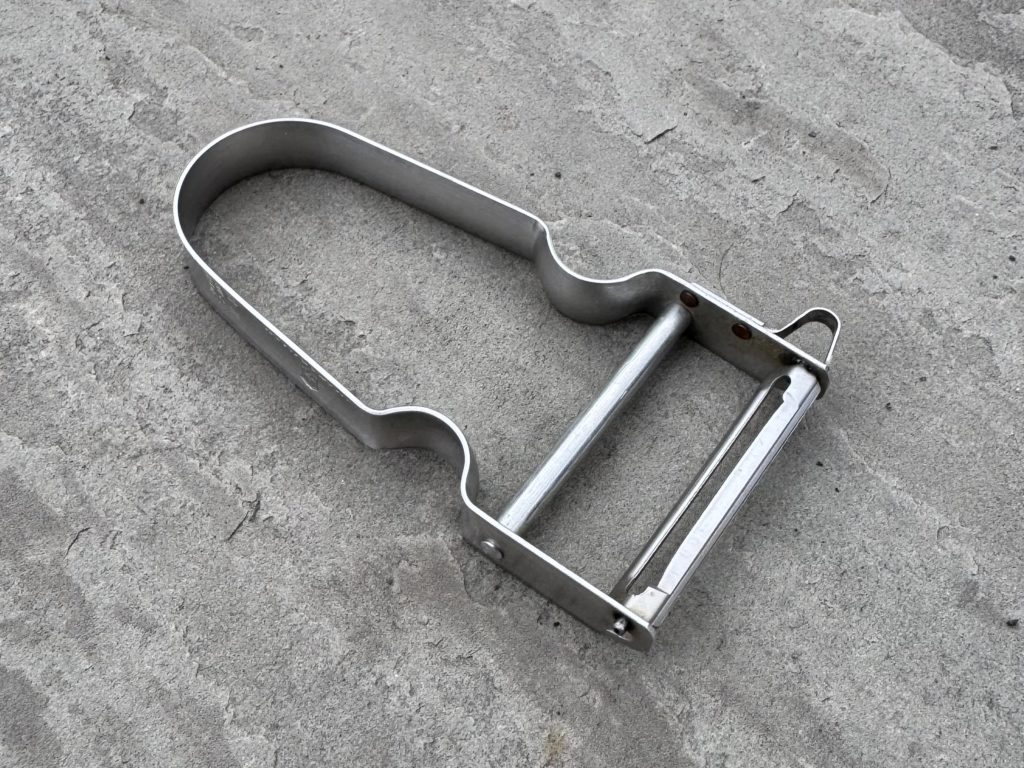
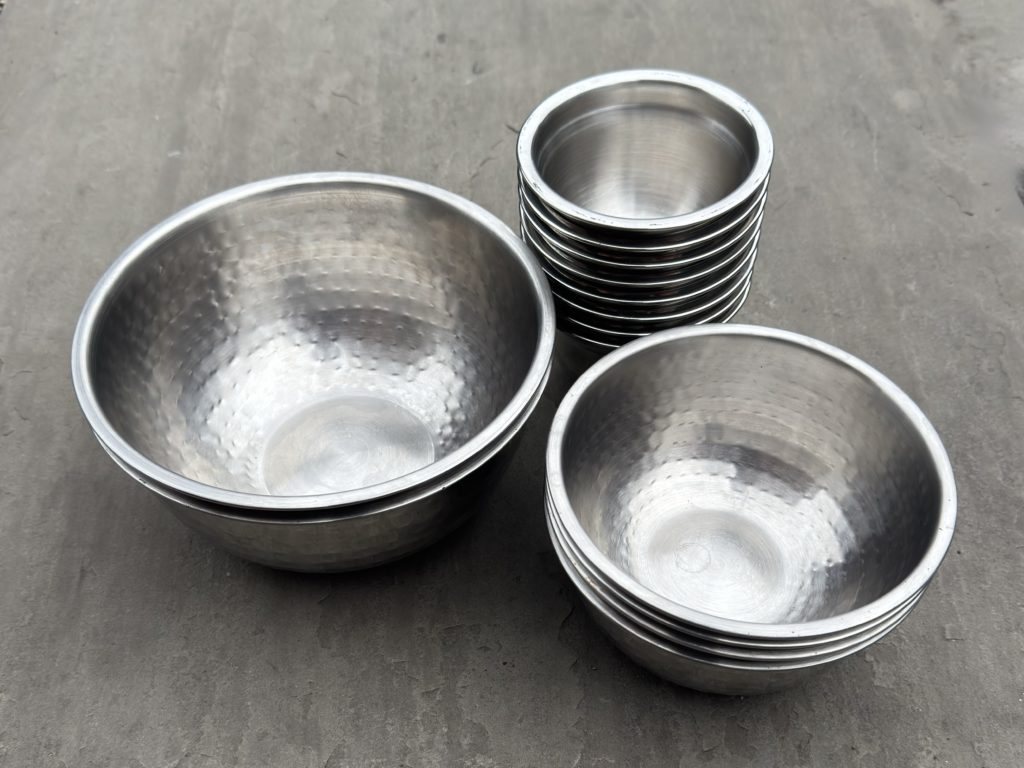
One bowl per ingredient. It sounds simple. It changes everything.
£25-£75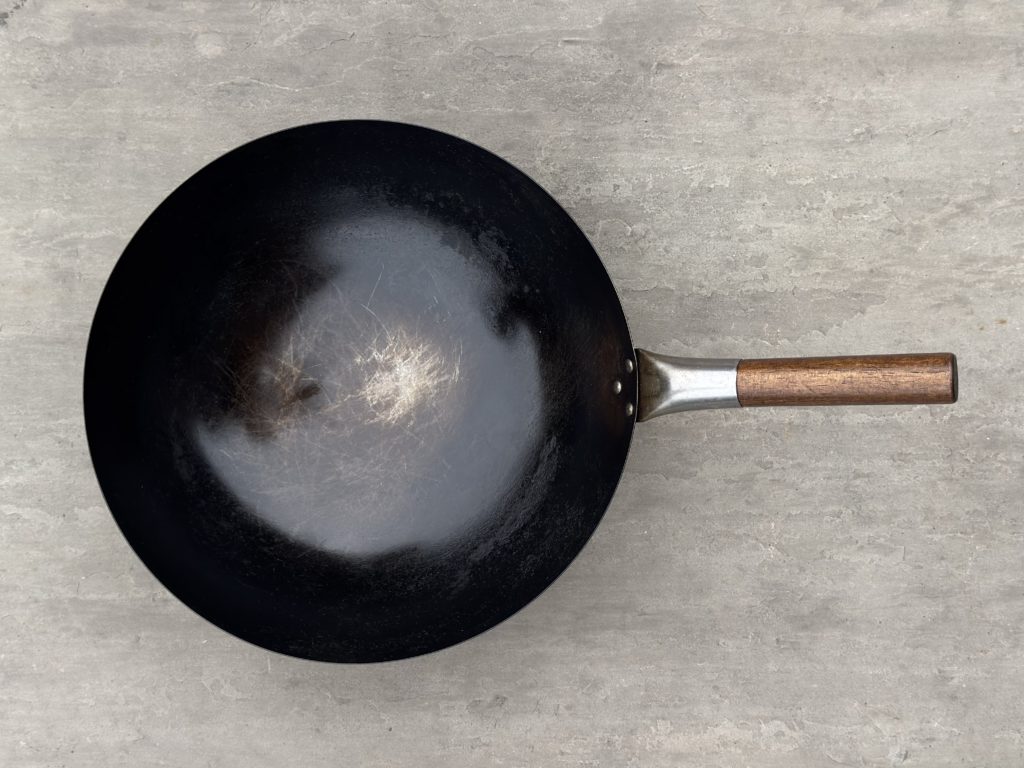
The wok costs £25. The heat underneath it is what you're really paying for.
£10-£25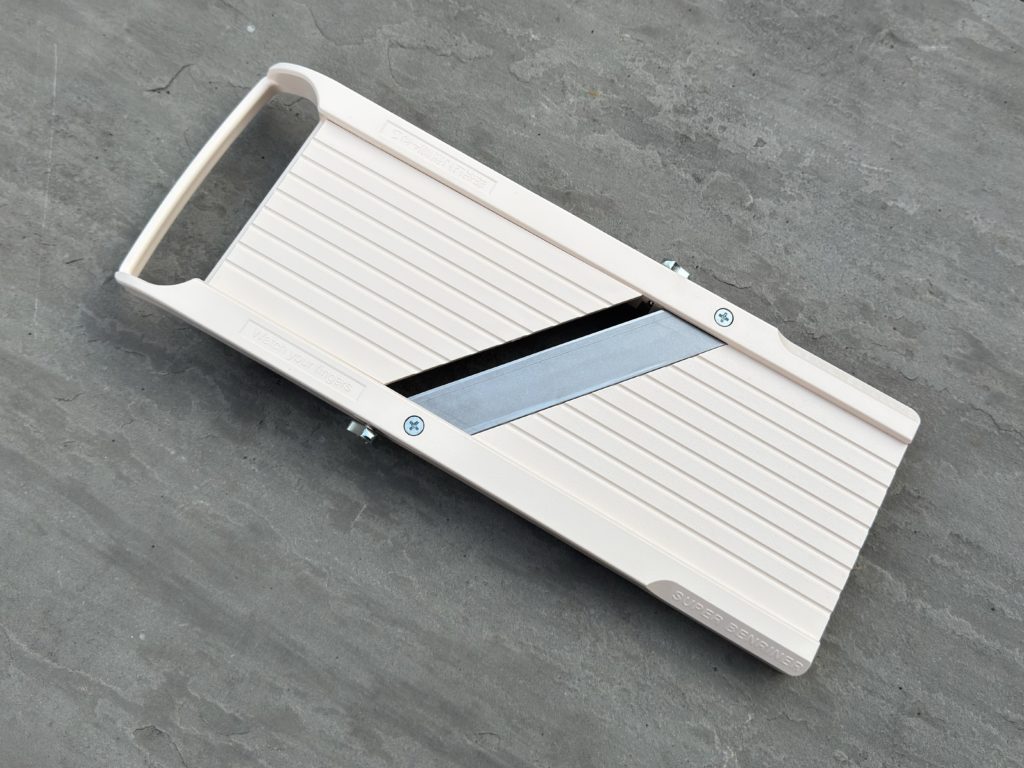
One bowl per ingredient. It sounds simple. It changes everything.
£25-£75
The wok costs £25. The heat underneath it is what you're really paying for.
£10-£25
One bowl per ingredient. It sounds simple. It changes everything.
£25-£75
The wok costs £25. The heat underneath it is what you're really paying for.
£10-£25
Shape what comes next
Got a recipe you'd love to see, or an idea to make the site better? We read every suggestion.
Log in to suggest