A proper Caesar has almost nothing in common with the bagged version most people know. The dressing is a real emulsion — egg yolk, anchovy, garlic, and mustard worked together the way a good mayonnaise is built. The chicken is butchered by hand and cooked in two separate pieces so the breast and the thigh each get the treatment they actually need.
Ingredients
- For the chicken
- 1 Whole chicken, butchered into skin-on breasts and skin-on boneless leg and thigh pieces
- Fine sea salt, 1.2% of chicken weight, salt after weighing post-butchery
- 5 g Neutral oil, a drizzle, for the pan
- 30 g Butter
- 2 sprigs Fresh rosemary
- 2 sprigs Fresh thyme
- 4 cloves Garlic, kept whole, skin on, crushed open
- 25 g Fresh lemon juice
- For the croutons
- 3 slices (300g) Sourdough, cut into 1.5cm cubes
- 50 g Extra virgin olive oil
- 1 tsp Dried oregano
- Fine sea salt, to taste
- Black pepper, 10 turns, freshly ground
- For the dressing
- 1 Eggs, yolk only
- 10 g Dijon mustard
- 25 g Fresh lemon juice
- 4 Anchovy fillets, chopped into a paste
- 0.5 cloves Garlic, minced
- 25 g Extra virgin olive oil
- 125 g Neutral oil
- 30 g Parmesan, finely grated
- 20 turns Black pepper, freshly ground
- Fine sea salt, to taste
- For the lettuce
- 4 Romaine hearts, washed and dried, cut into 4cm ribbons or torn
- To finish
- 60 g Parmesan, finely grated
Equipment
- Boning knife →
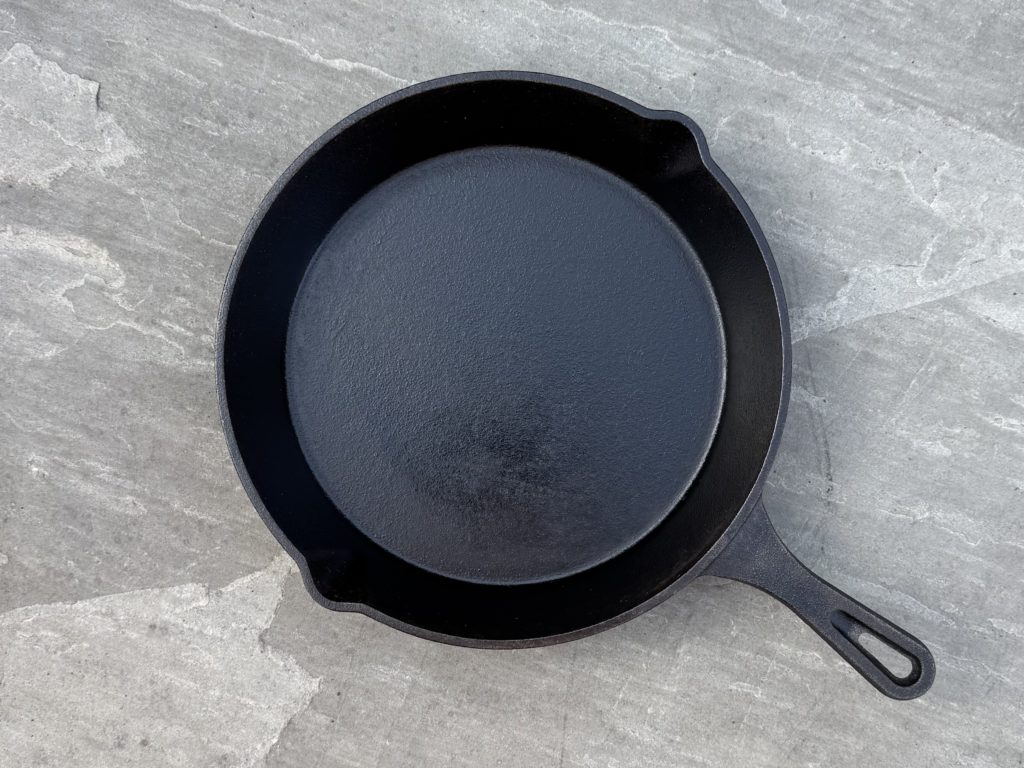
- Cast-iron skillet →
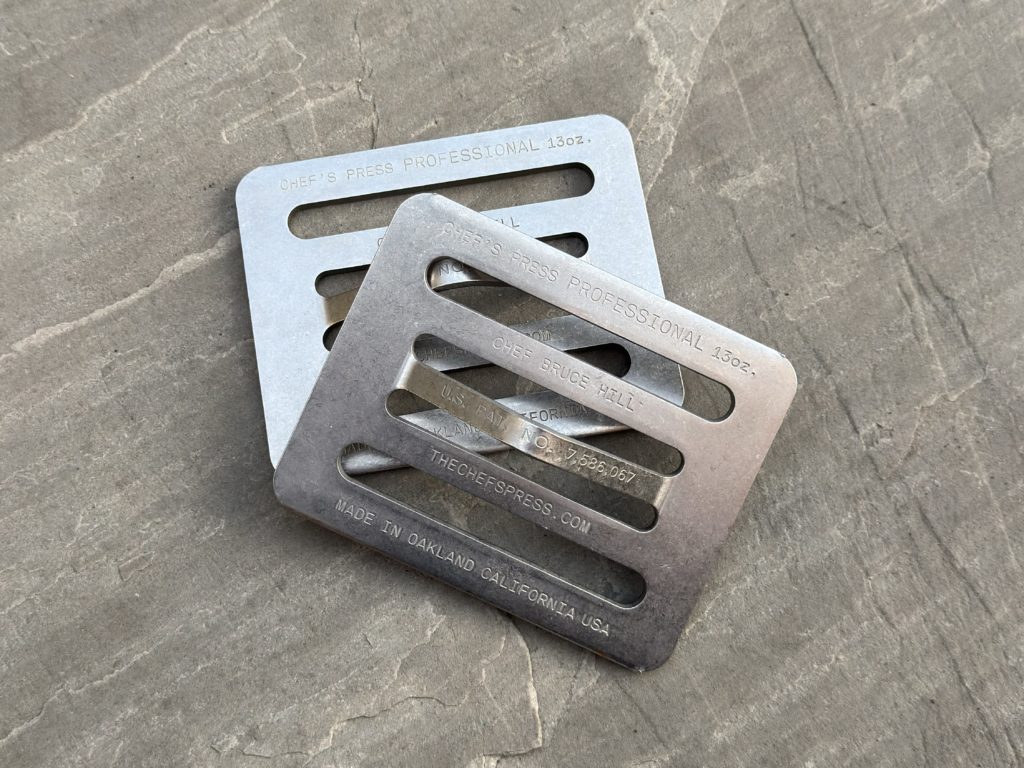
- Chef's press or cooking weights →
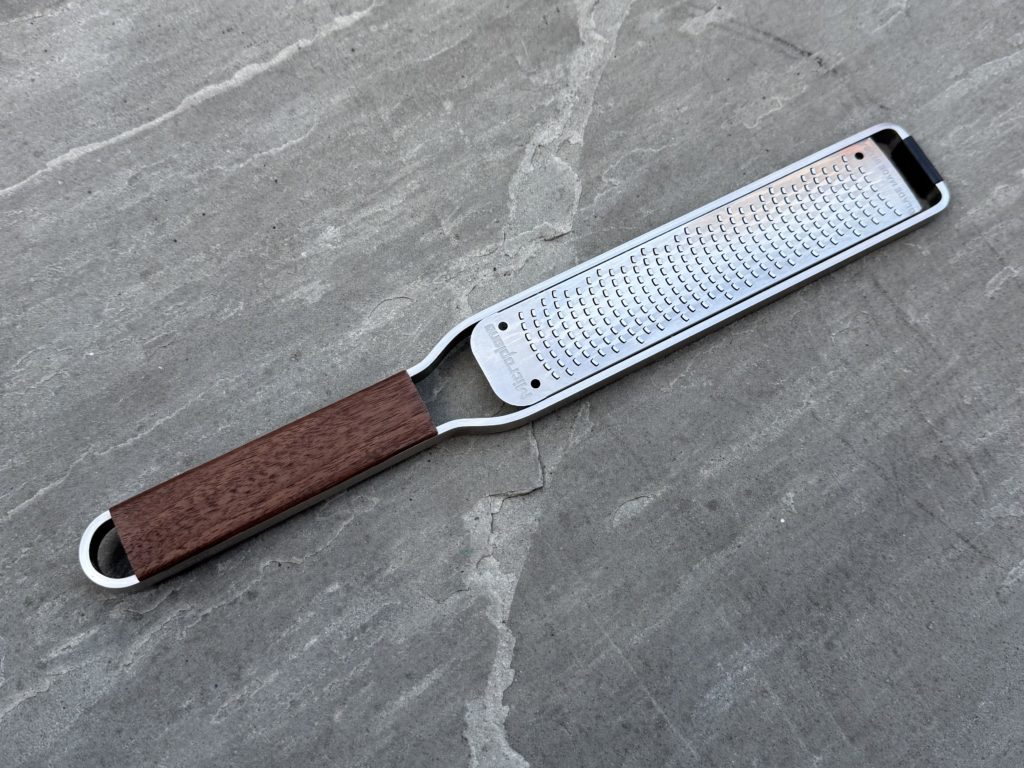
- Microplane grater →
- Digital probe thermometer
- Food processor or hand mixer
- Salad spinner
Method
Remove the breasts from the chicken, keeping the skin on. Remove the legs and thighs in one piece each and bone out the leg and thigh to create a single skin-on piece of dark meat per side. See how to butcher a chicken for the full technique.
Keep the carcass for stock if you’d like, and freeze the wings until you have enough saved up for a wing night.
Weigh the breasts and the leg and thigh pieces and season evenly on all sides with fine sea salt at 1.2% of their weight. Leave uncovered on a tray in the fridge overnight.
Combine the extra virgin olive oil and neutral oil together in a jug or squeeze bottle.
Put the egg yolk, mustard, lemon juice, garlic, and anchovies into a large mixing bowl or food processor and blitz with a hand mixer or food processor until combined.
With the mixer or processor still running, pour in the combined oil in a slow, steady stream, waiting until each addition has fully emulsified before adding more. Once all the oil is incorporated, the dressing should be thick and smooth.
Stir through the Parmesan and black pepper, then season to taste with fine sea salt. Set aside in the fridge until needed.
Remove the chicken from the fridge 30 minutes before cooking to come up to room temperature. Preheat the oven to 180°C (356°F) fan.
Heat a cast-iron skillet over a medium heat and add a drizzle of neutral oil. Place the breasts skin side down and set a chef’s press or cooking weights on top.
Cook for 2 minutes to render the fat in the skin, then increase the heat to medium-high and continue until the skin is deeply golden and crisp. See how to sear properly for the technique. Flip and cook the other side until golden. The breast should not be cooked through at this stage. Remove to an oven tray.
Push a probe thermometer into the thickest part of a breast and transfer the tray to the oven, skin side up. Cook until the thickest part reaches 65°C, then rest loosely tented with foil. See how to cook chicken to temperature for the full guide.
If the breast is already at 65°C straight from the skillet, skip the oven and go straight to resting.
While the chicken finishes in the oven, toss the sourdough cubes with the olive oil, oregano, salt, and black pepper. Spread in a single layer on a tray and bake until golden brown and crisp — about 15 minutes. Adjust the seasoning to taste once out of the oven.
Once the skillet is free, place the thigh and leg pieces in skin side down in the residual fat and set the press on top. Flip once the skin is golden and crisp, then continue cooking the meat side until it, too, is golden brown.
Add the butter, rosemary, thyme, and garlic to the pan and let the butter foam and brown. Baste the top of the chicken with the butter, then add the lemon juice before removing to a tray to rest, pouring the browned butter and herbs over the top.
Wash the romaine hearts and dry thoroughly using a salad spinner or kitchen towels. Cut into 4cm wide ribbons or hand-tear into pieces.
Once both the breasts and the thighs have rested, slice into bite-sized chunks and toss with the resting juices and any remaining browned butter.
Place the lettuce in a large bowl and toss with about half the dressing, coating thoroughly. Add more dressing gradually to taste and to suit the quantity of lettuce.
Divide the dressed lettuce between bowls, pile the chicken in the centre, and scatter over the croutons. Finish with the remaining grated Parmesan.
Notes & Substitutions
Chicken carcass and wings: keep the carcass in the freezer for stock, and freeze the wings separately until you’ve built up enough for a proper wing night.
Anchovies: don’t be tempted to skip them for a fear of a fishy taste — properly incorporated, they disappear into the dressing and just deliver a deep savoury note. Good quality tinned anchovies in oil make a real difference here.
Make-ahead: the dressing keeps in the fridge for up to 3 days, and the croutons keep in an airtight container at room temperature for 2–3 days. Both can be made well ahead of serving.
Chicken swap: if you’d rather not butcher a whole bird, pre-portioned skin-on breasts and skin-on boneless thighs work just as well — just skip the butchery step and season and cook as described.
You might also like
Chicken Caesar Salad
A proper Caesar has almost nothing in common with the bagged version most people know. The dressing is a real emulsion — egg yolk, anchovy, garlic, and mustard worked together the way a good mayonnaise is built. The chicken is butchered by hand and cooked in two separate pieces so the breast and the thigh each get the treatment they actually need.
Ingredients
- 1 Whole chicken (butchered into skin-on breasts and skin-on boneless leg and thigh pieces)
- Fine sea salt (1.2% of chicken weight, salt after weighing post-butchery)
- 5 g Neutral oil (a drizzle, for the pan)
- 30 g Butter
- 2 sprigs Fresh rosemary
- 2 sprigs Fresh thyme
- 4 cloves Garlic (kept whole, skin on, crushed open)
- 25 g Fresh lemon juice
- 3 slices Sourdough (cut into 1.5cm cubes)
- 50 g Extra virgin olive oil
- 1 tsp Dried oregano
- Fine sea salt (to taste)
- Black pepper (10 turns, freshly ground)
- 1 Eggs (yolk only)
- 10 g Dijon mustard
- 25 g Fresh lemon juice
- 4 Anchovy fillets (chopped into a paste)
- 0.5 cloves Garlic (minced)
- 25 g Extra virgin olive oil
- 125 g Neutral oil
- 30 g Parmesan (finely grated)
- 20 turns Black pepper (freshly ground)
- Fine sea salt (to taste)
- 4 Romaine hearts (washed and dried, cut into 4cm ribbons or torn)
- 60 g Parmesan (finely grated)
Equipment
- Boning knife
- Cast-iron skillet
- Chef's press or cooking weights
- Microplane grater
- Digital probe thermometer
- Food processor or hand mixer
- Salad spinner
Method
Butcher the chicken
Remove the breasts from the chicken, keeping the skin on. Remove the legs and thighs in one piece each and bone out the leg and thigh to create a single skin-on piece of dark meat per side. See how to butcher a chicken for the full technique.
Keep the carcass for stock if you’d like, and freeze the wings until you have enough saved up for a wing night.
For this step: 1 Whole chicken
Salt the chicken
Weigh the breasts and the leg and thigh pieces and season evenly on all sides with fine sea salt at 1.2% of their weight. Leave uncovered on a tray in the fridge overnight.
For this step: Fine sea salt
Make the dressing
Combine the extra virgin olive oil and neutral oil together in a jug or squeeze bottle.
Put the egg yolk, mustard, lemon juice, garlic, and anchovies into a large mixing bowl or food processor and blitz with a hand mixer or food processor until combined.
With the mixer or processor still running, pour in the combined oil in a slow, steady stream, waiting until each addition has fully emulsified before adding more. Once all the oil is incorporated, the dressing should be thick and smooth.
Stir through the Parmesan and black pepper, then season to taste with fine sea salt. Set aside in the fridge until needed.
For this step: 1 Eggs, 10 g Dijon mustard, 25 g Fresh lemon juice, 4 Anchovy fillets, 0.5 cloves Garlic, 25 g Extra virgin olive oil, 125 g Neutral oil, 30 g Parmesan, 20 turns Black pepper, Fine sea salt
Preheat and rest the chicken
Remove the chicken from the fridge 30 minutes before cooking to come up to room temperature. Preheat the oven to 180°C (356°F) fan.
Sear the chicken breasts
Heat a cast-iron skillet over a medium heat and add a drizzle of neutral oil. Place the breasts skin side down and set a chef’s press or cooking weights on top.
Cook for 2 minutes to render the fat in the skin, then increase the heat to medium-high and continue until the skin is deeply golden and crisp. See how to sear properly for the technique. Flip and cook the other side until golden. The breast should not be cooked through at this stage. Remove to an oven tray.
For this step: 5 g Neutral oil
Finish the breasts in the oven
Push a probe thermometer into the thickest part of a breast and transfer the tray to the oven, skin side up. Cook until the thickest part reaches 65°C, then rest loosely tented with foil. See how to cook chicken to temperature for the full guide.
If the breast is already at 65°C straight from the skillet, skip the oven and go straight to resting.
Bake the croutons
While the chicken finishes in the oven, toss the sourdough cubes with the olive oil, oregano, salt, and black pepper. Spread in a single layer on a tray and bake until golden brown and crisp — about 15 minutes. Adjust the seasoning to taste once out of the oven.
For this step: 3 slices Sourdough, 50 g Extra virgin olive oil, 1 tsp Dried oregano, Fine sea salt, Black pepper
Cook the chicken thighs
Once the skillet is free, place the thigh and leg pieces in skin side down in the residual fat and set the press on top. Flip once the skin is golden and crisp, then continue cooking the meat side until it, too, is golden brown.
Add the butter, rosemary, thyme, and garlic to the pan and let the butter foam and brown. Baste the top of the chicken with the butter, then add the lemon juice before removing to a tray to rest, pouring the browned butter and herbs over the top.
For this step: 30 g Butter, 2 sprigs Fresh rosemary, 2 sprigs Fresh thyme, 4 cloves Garlic, 25 g Fresh lemon juice
Wash and dry the lettuce
Wash the romaine hearts and dry thoroughly using a salad spinner or kitchen towels. Cut into 4cm wide ribbons or hand-tear into pieces.
For this step: 4 Romaine hearts
Slice the chicken
Once both the breasts and the thighs have rested, slice into bite-sized chunks and toss with the resting juices and any remaining browned butter.
Assemble the salad
Place the lettuce in a large bowl and toss with about half the dressing, coating thoroughly. Add more dressing gradually to taste and to suit the quantity of lettuce.
Divide the dressed lettuce between bowls, pile the chicken in the centre, and scatter over the croutons. Finish with the remaining grated Parmesan.
For this step: 60 g Parmesan
Notes & Substitutions
Chicken carcass and wings: keep the carcass in the freezer for stock, and freeze the wings separately until you’ve built up enough for a proper wing night.
Anchovies: don’t be tempted to skip them for a fear of a fishy taste — properly incorporated, they disappear into the dressing and just deliver a deep savoury note. Good quality tinned anchovies in oil make a real difference here.
Make-ahead: the dressing keeps in the fridge for up to 3 days, and the croutons keep in an airtight container at room temperature for 2–3 days. Both can be made well ahead of serving.
Chicken swap: if you’d rather not butcher a whole bird, pre-portioned skin-on breasts and skin-on boneless thighs work just as well — just skip the butchery step and season and cook as described.

Free guide: How to Cook Properly
How to Cook Properly — the 11 principles that turn average into outstanding
Equipment worth having
The wok costs £25. The heat underneath it is what you're really paying for.
£10-£25
The wok costs £25. The heat underneath it is what you're really paying for.
£10-£25
The wok costs £25. The heat underneath it is what you're really paying for.
£10-£25
Shape what comes next
Got a recipe you'd love to see, or an idea to make the site better? We read every suggestion.
Log in to suggest