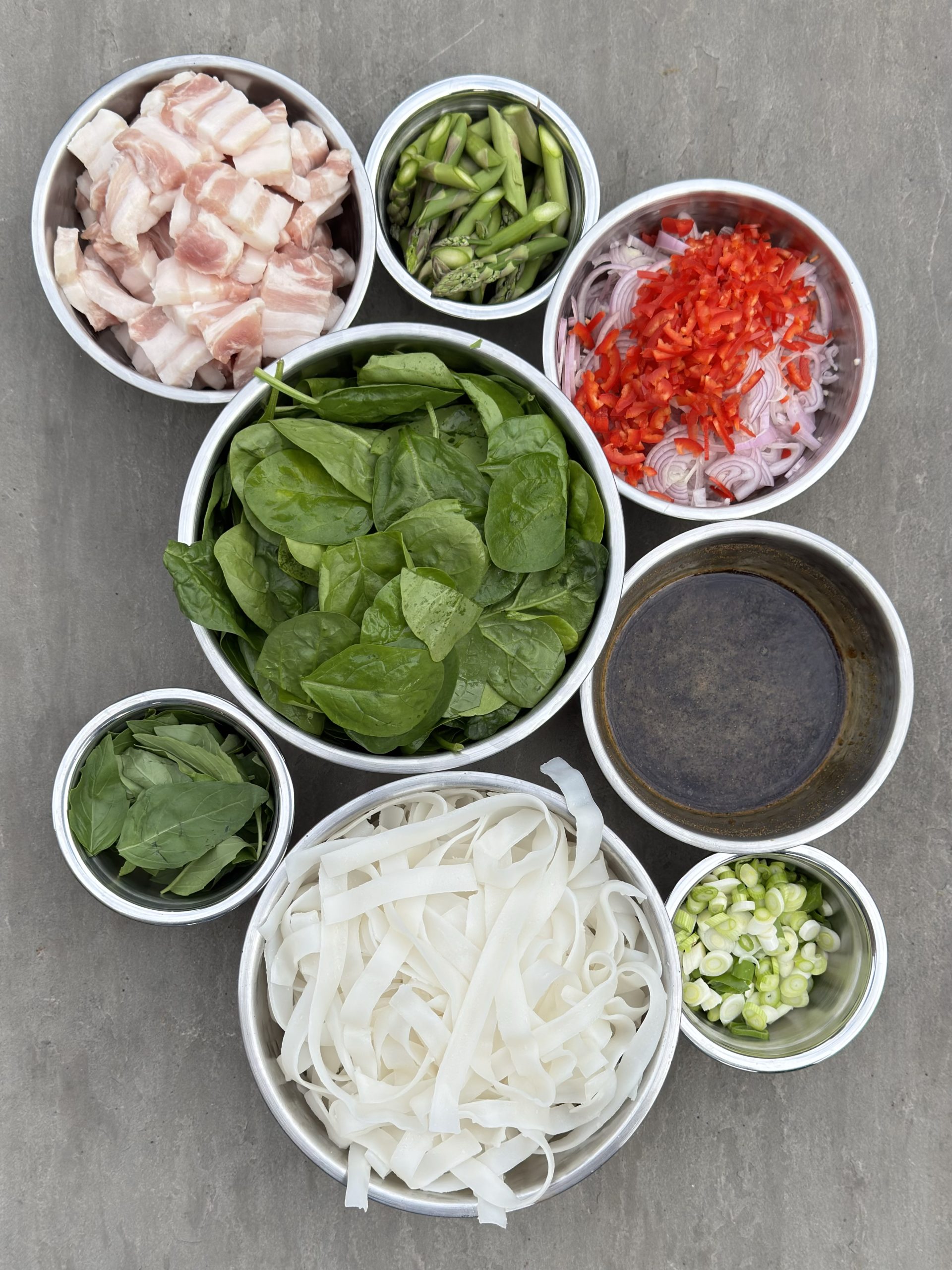
Pad kee mao — drunken noodles — is one of Thailand's great wok dishes. Wide rice noodles, charred and smoky from a screaming hot wok, pork belly rendered and crisped in its own fat, and a sauce built on fish sauce, soy, and Thai basil. The heat level is up to you but the dish should have some fire to it — the chilli is not decoration.
This is fast, hot cooking. The whole stir fry takes under five minutes once the pork is rendered. Everything must be prepped and within reach before the heat goes up. If you stop to find something mid-cook, something else will burn.
Ingredients
- Sauce
- 1 tbsp (18g) Oyster sauce
- 1.5 tbsp (22g) Fish sauce
- 1 tbsp (15g) Dark soy sauce
- 1 tbsp (15g) Light soy sauce
- 1 tbsp Water
- 2 tsp (10g) Rice vinegar
- 1 tsp (4g) Sugar
- 0.5 tsp White pepper
- Stir fry
- 400 g Pork belly, skinless, sliced widthways into roughly 5mm thick squares, layered fat and meat
- Fine sea salt, to season
- 400 g Ho fun noodles, sen yai or ho fun — see notes
- 2 Shallots, finely sliced
- 6 cloves Garlic, finely sliced
- 25 g Fresh ginger, julienned
- 3 Red chilli, finely diced
- 150 g Asparagus tips, cut into 3–4cm lengths
- 100 g Baby spinach
- 3 Spring onions, sliced
- 20 g Thai basil, leaves picked
Equipment
- Round bottom wok
- Wok burner
- Wok spatula
- Stainless steel prep bowls
Combine the oyster sauce, fish sauce, dark soy sauce, light soy sauce, water, rice vinegar, sugar and white pepper in a bowl and mix until the sugar dissolves. Prep all the vegetables, pick the Thai basil leaves, and season the pork belly slices with fine sea salt. Separate the fresh wide rice noodles so they don’t clump — see the pro tip below. Everything must be prepped and within reach before the heat goes up. See mise en place for why this matters.
Place the seasoned pork belly slices in a single layer in a cold wok over low heat. Let the fat render out slowly — around 5 minutes — until the pieces have released a significant amount of fat and the meat is cooked through.
Increase the heat to high and cook until the pork pieces are well crisped and coloured on both sides. Do not remove the pork or the fat from the wok.
Add the shallots, garlic, ginger, and red chilli directly to the pork and fat in the wok. Stir constantly on high heat for 30–60 seconds until fragrant and beginning to scorch at the edges.
Add the asparagus and stir fry on high heat for 20 seconds, keeping everything moving.
Add the separated fresh wide rice noodles and stir fry for 90 seconds total. Start by tossing to combine everything, then leave the noodles undisturbed against the wok surface for 30 seconds to develop char. Toss again, leave again, repeat until the noodles have colour and the whole wok smells smoky.
Pour the sauce around the edge of the wok rather than directly onto the noodles. Toss everything together on high heat until fully combined, then leave briefly to allow the sauce to catch and char slightly against the wok surface.
Add the baby spinach and spring onions and toss until the spinach has just wilted — around 30 seconds. Add the Thai basil leaves, toss once more to combine, and serve immediately straight from the wok into warmed bowls.
Notes & Substitutions
Noodles: Fresh wide rice noodles — sen yai or ho fun — are available in the fridge section of most Asian supermarkets. They have a texture that dried noodles cannot replicate. If you cannot find fresh, dried wide rice noodles work but need to be soaked and cooked according to the packet before going into the wok. The dish will be noticeably different.
Thai basil: Thai basil is not the same as Italian basil — it has an anise note and a stronger, more robust flavour that holds up to the heat and the sauce. Standard basil is a poor substitute here. Thai basil is available in most Asian supermarkets and some larger supermarkets. It is worth seeking out.
Wok setup: This dish is best on an outdoor gas wok burner. An indoor gas hob works with good ventilation. Electric hobs struggle to maintain the temperature required — the dish is still edible but the char and smoke that defines proper pad kee mao will be largely absent. See how to cook with a wok for more on why heat matters so much here.
MSG: Listed as optional, recommended in practice. MSG is monosodium glutamate — a naturally occurring compound found in tomatoes, Parmesan, and soy sauce. It enhances savouriness without adding a detectable flavour of its own. The stigma around it is not supported by science. A small amount in the sauce makes a noticeable difference to the depth of the finished dish.
Chilli heat: Three red chillies gives a moderate heat. Adjust up or down to taste — Thai bird’s eye chillies will give significantly more fire than standard red chillies if you want to push it.
You might also like
Pad Kee Mao
COOKED
PROPERLY
Ingredients
- 1 tbsp Oyster sauce
- 1.5 tbsp Fish sauce
- 1 tbsp Dark soy sauce
- 1 tbsp Light soy sauce
- 1 tbsp Water
- 2 tsp Rice vinegar
- 1 tsp Sugar
- 0.5 tsp White pepper
- 400 g Pork belly (skinless, sliced widthways into roughly 5mm thick squares, layered fat and meat)
- Fine sea salt (to season)
- 400 g Ho fun noodles (sen yai or ho fun — see notes)
- 2 Shallots (finely sliced)
- 6 cloves Garlic (finely sliced)
- 25 g Fresh ginger (julienned)
- 3 Red chilli (finely diced)
- 150 g Asparagus tips (cut into 3–4cm lengths)
- 100 g Baby spinach
- 3 Spring onions (sliced)
- 20 g Thai basil (leaves picked)
Equipment
- Round bottom wok
- Wok burner
- Wok spatula
- Stainless steel prep bowls
Method
Mise en place
1 tbsp Oyster sauce · 1.5 tbsp Fish sauce · 1 tbsp Dark soy sauce · 1 tbsp Light soy sauce · 1 tbsp Water · 2 tsp Rice vinegar · 1 tsp Sugar · 0.5 tsp White pepper
Combine the oyster sauce, fish sauce, dark soy sauce, light soy sauce, water, rice vinegar, sugar and white pepper in a bowl and mix until the sugar dissolves. Prep all the vegetables, pick the Thai basil leaves, and season the pork belly slices with fine sea salt. Separate the fresh wide rice noodles so they don’t clump — see the pro tip below. Everything must be prepped and within reach before the heat goes up. See mise en place for why this matters.
Fresh rice noodles from an Asian supermarket fridge are often stuck together in a block. The easiest way to separate them without tearing is to microwave for around 60 seconds until they warm through and loosen — they should pull apart easily after that. Do not try to force them apart cold.
Render the pork belly
400 g Pork belly · Fine sea salt
Place the seasoned pork belly slices in a single layer in a cold wok over low heat. Let the fat render out slowly — around 5 minutes — until the pieces have released a significant amount of fat and the meat is cooked through.
Crisp the pork
Increase the heat to high and cook until the pork pieces are well crisped and coloured on both sides. Do not remove the pork or the fat from the wok.
The amount of rendered fat in the wok at this point will look like more than it should. Keep it. The aromatics and noodles absorb a significant portion, and the rest emulsifies into the sauce to give the finished dish its gloss. A little more fat than feels comfortable is what makes restaurant wok food taste the way it does.
Add the aromatics
2 Shallots · 6 cloves Garlic · 25 g Fresh ginger · 3 Red chilli
Add the shallots, garlic, ginger, and red chilli directly to the pork and fat in the wok. Stir constantly on high heat for 30–60 seconds until fragrant and beginning to scorch at the edges.
Keep everything moving constantly at this stage. The garlic slices will burn in seconds if they sit still against the hot wok surface. Fast, constant movement with the spatula is what gives you fragrant and slightly charred rather than acrid and bitter. See how to cook with a wok for more on heat and movement.
Add the asparagus
150 g Asparagus tips
Add the asparagus and stir fry on high heat for 20 seconds, keeping everything moving.
Asparagus goes in before the noodles because it needs slightly more time than the other vegetables. Twenty seconds in a hot wok gives it a little colour and takes the raw edge off while keeping it firm — it finishes cooking with the noodles in the next step.
Add the noodles
400 g Ho fun noodles
Add the separated fresh wide rice noodles and stir fry for 90 seconds total. Start by tossing to combine everything, then leave the noodles undisturbed against the wok surface for 30 seconds to develop char. Toss again, leave again, repeat until the noodles have colour and the whole wok smells smoky.
Fresh wide rice noodles are delicate and will tear if handled roughly when cold. Warming them in the microwave before they go in the wok means they toss cleanly without breaking into pieces.
Add the sauce
Pour the sauce around the edge of the wok rather than directly onto the noodles. Toss everything together on high heat until fully combined, then leave briefly to allow the sauce to catch and char slightly against the wok surface.
Add the greens
100 g Baby spinach · 3 Spring onions · 20 g Thai basil
Add the baby spinach and spring onions and toss until the spinach has just wilted — around 30 seconds. Add the Thai basil leaves, toss once more to combine, and serve immediately straight from the wok into warmed bowls.
Pad kee mao does not hold. Serve it immediately from the wok — the noodles continue absorbing the sauce and the greens continue wilting. Cook it, bowl it, eat it.
SCAN TO OPEN
Good food, cooked properly.
Proper recipes, intelligent planning, one shopping list.
cookedproperly.com

Free guide: How to Cook Properly
How to Cook Properly — the 11 principles that turn average into outstanding
Equipment worth having
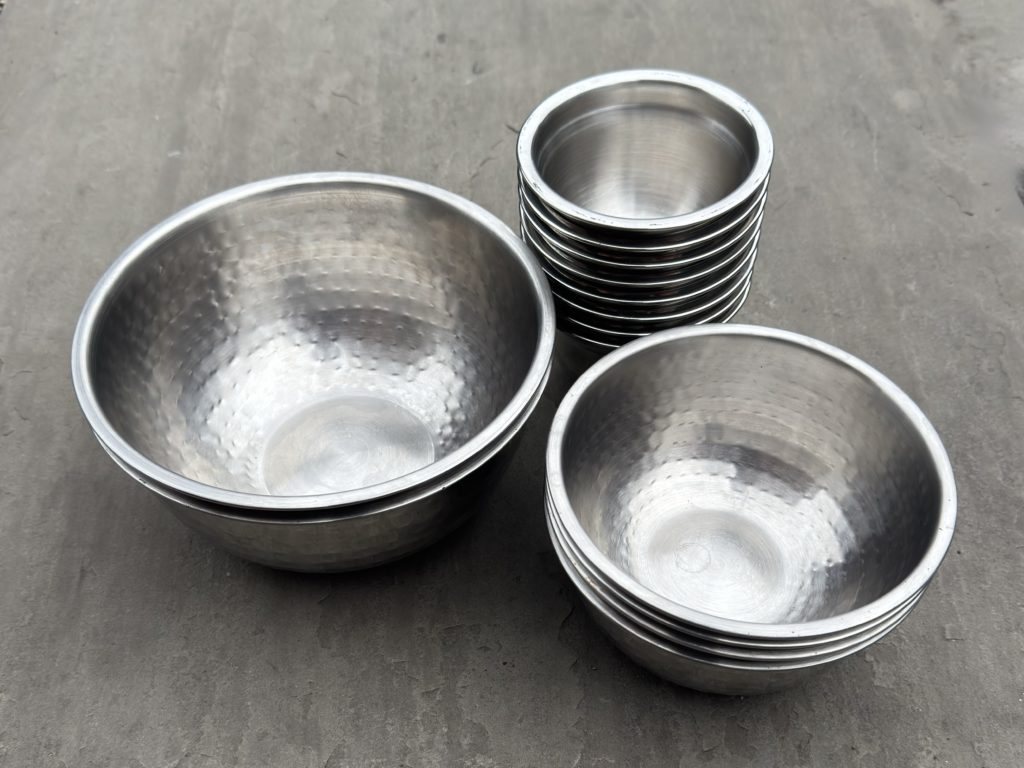
One bowl per ingredient. It sounds simple. It changes everything.
£25-£75
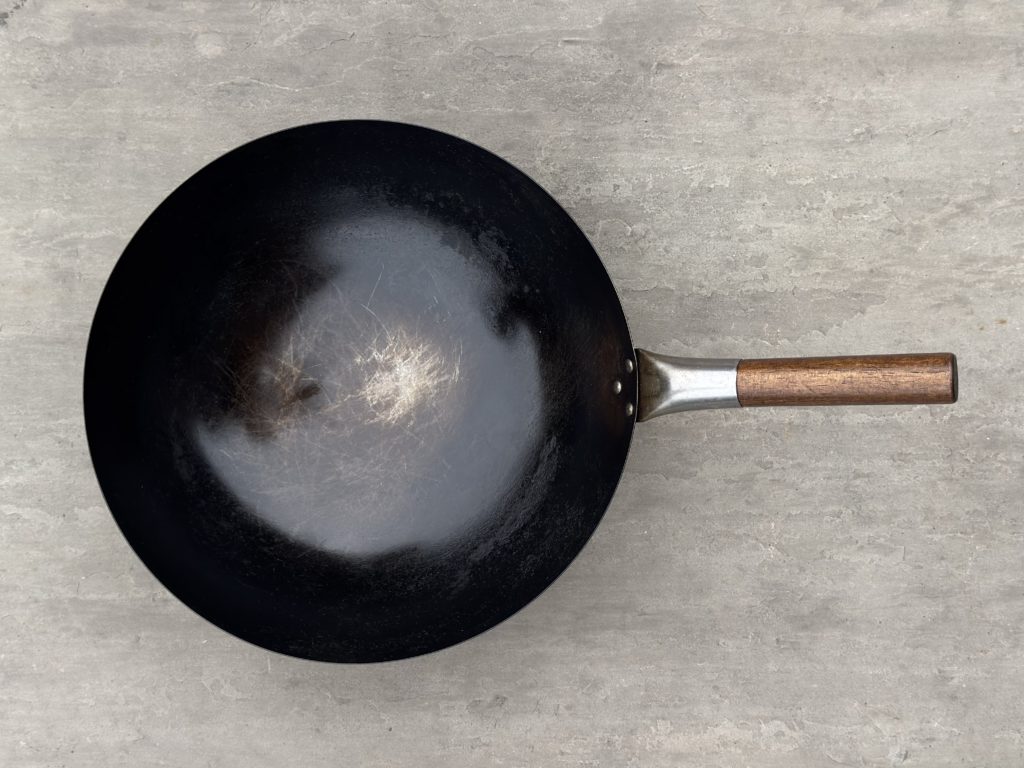
The wok costs £25. The heat underneath it is what you're really paying for.
£10-£25
One bowl per ingredient. It sounds simple. It changes everything.
£25-£75
The wok costs £25. The heat underneath it is what you're really paying for.
£10-£25
One bowl per ingredient. It sounds simple. It changes everything.
£25-£75
The wok costs £25. The heat underneath it is what you're really paying for.
£10-£25
Shape what comes next
Got a recipe you'd love to see, or an idea to make the site better? We read every suggestion.
Log in to suggest