Zozzona translates roughly to "filthy" in Roman dialect — an affectionate term for something gloriously over-the-top. The dish lives up to the name. It is a deliberate mash-up of carbonara, amatriciana, and gricia in one pan — guanciale, sausage, tomato, egg yolks, and cheese, all the things that make Rome's classic pastas brilliant, piled into one bowl with no apology.
It is not subtle. It is not refined. That is the point.
Ingredients
- 125 g Guanciale, thinly sliced
- 200 g Italian sausage meat, or Cumberland, casings removed
- 3 cloves Garlic, thinly sliced
- 300 g Tomato passata, or blended peeled plum tomatoes
- 2 Eggs, yolks only
- 75 g Pecorino Romano, finely grated
- Black pepper, freshly ground, to taste
- 150 g Rigatoni
- 10 leaves (5g) Fresh basil, torn
- 20 g Pecorino Romano, finely grated, to finish
Equipment
Method
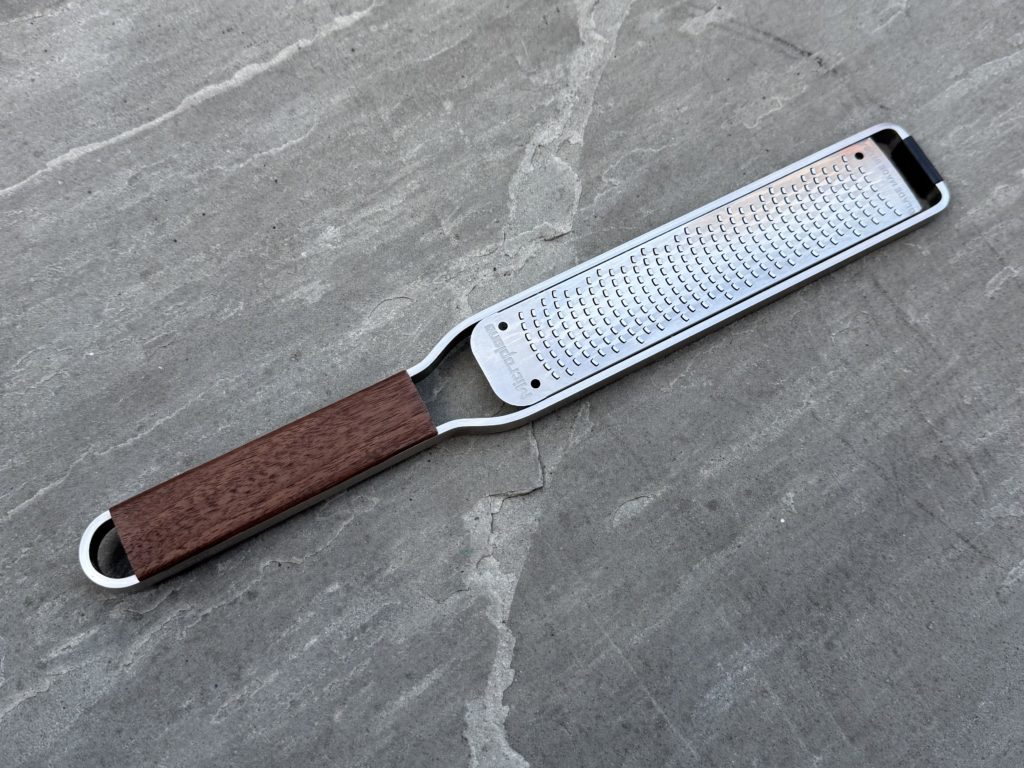
Cut the guanciale into thin lardons, roughly 3mm thick. Grate the cheese finely. Combine the cheese, egg yolks, and black pepper in a bowl. Set aside.
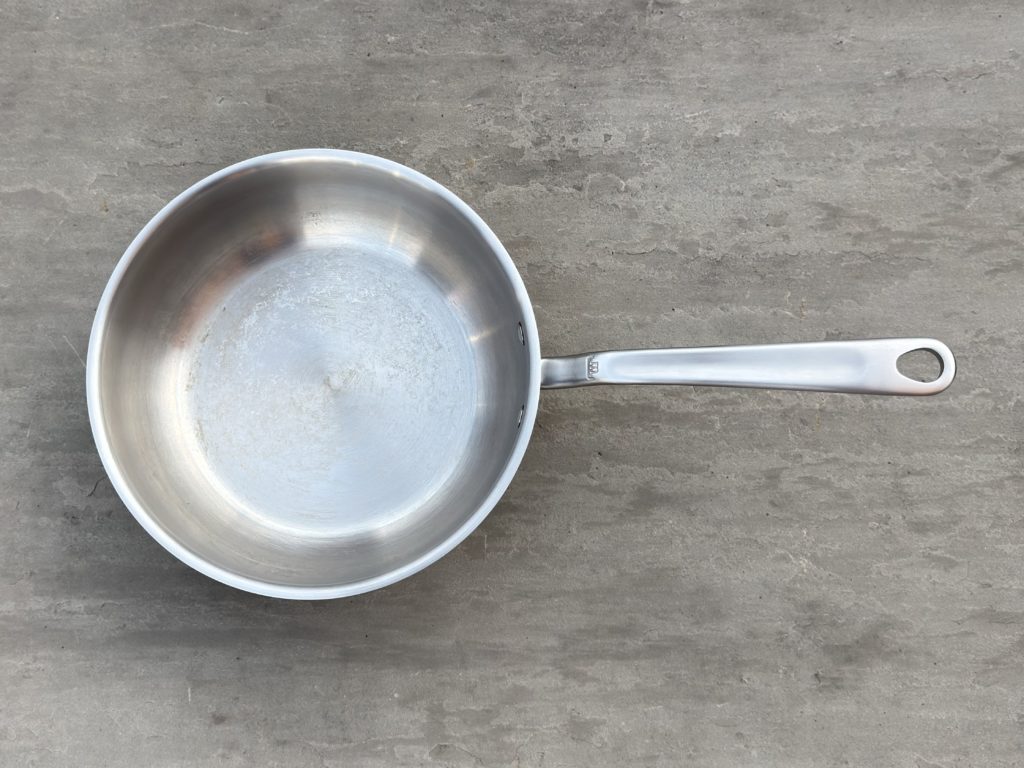
Put the guanciale into a cold, wide saucier pan and set it over medium heat. Let the fat render slowly until the meat crisps.
Lift the crispy guanciale out with a slotted spoon and set aside for the garnish. Spoon 3/4 of the rendered fat into a small bowl and leave it to cool — this goes into the egg mixture later.
Add the sausage meat to the pan with the remaining fat. Break it into a mince consistency and let it brown over medium heat. The more colour you build here, the deeper the finished sauce — be patient.
Add the sliced garlic only when the sausage is fully browned and stir for one minute. Keep it moving so it softens and turns fragrant but does not colour — browned garlic turns bitter and the bitterness will follow the dish all the way to the plate.
Pour in the passata and stir to combine, scraping up the fond from the base of the pan. Turn the heat down and let it simmer for 20 minutes until thickened and glossy.
Fill a large saucepan with water, season generously with salt, and bring to the boil. Drop the rigatoni in ten minutes into the sauce’s simmer. Cook to one minute less than the packet time — the pasta finishes cooking in the sauce.
Stir the cooled guanciale fat into the egg-cheese mixture. While the pasta cooks, ladle a tablespoon of pasta water into the yolks and whisk fast. Repeat three more times to bring the temperature up gradually.
Lift the pasta straight into the saucier pan with the sauce. Save a mug of pasta water first. Simmer everything together for the final minute so the pasta drinks up flavour.
Pull the pan off the heat. Pour the tempered yolk mixture over the pasta and stir immediately and constantly until glossy and emulsified. Loosen with a splash of pasta water if it tightens up.
Taste for seasoning — the cheese and guanciale carry most of it, so go gently. Serve into warmed bowls, scatter over the reserved crispy guanciale, torn basil, and extra grated cheese.
Notes & Substitutions
Pecorino vs Parmesan: Traditional Roman pastas lean on Pecorino Romano for its sharper, saltier punch. Parmesan is softer and rounder. Both work — Pecorino is more authentic, Parmesan more forgiving if you are nervous about salt levels.
Sausage: Italian sausage (fennel-spiked) is the traditional choice. Good Cumberland works well too — just check the seasoning isn’t too sage-heavy, which can fight the tomato.
Pasta shape: Rigatoni is the classic. Mezzi rigatoni, paccheri, or tortiglioni all work. You want something with ridges and hollows to hold the sauce.
Tomato: Good passata is fine. If using whole tinned plum tomatoes, blend or crush them before adding — you want a smooth sauce, not chunks.
Serve immediately: This dish does not hold or reheat well. The egg yolk sauce tightens as it cools and does not come back together on reheating. Cook it, serve it, eat it.
You might also like
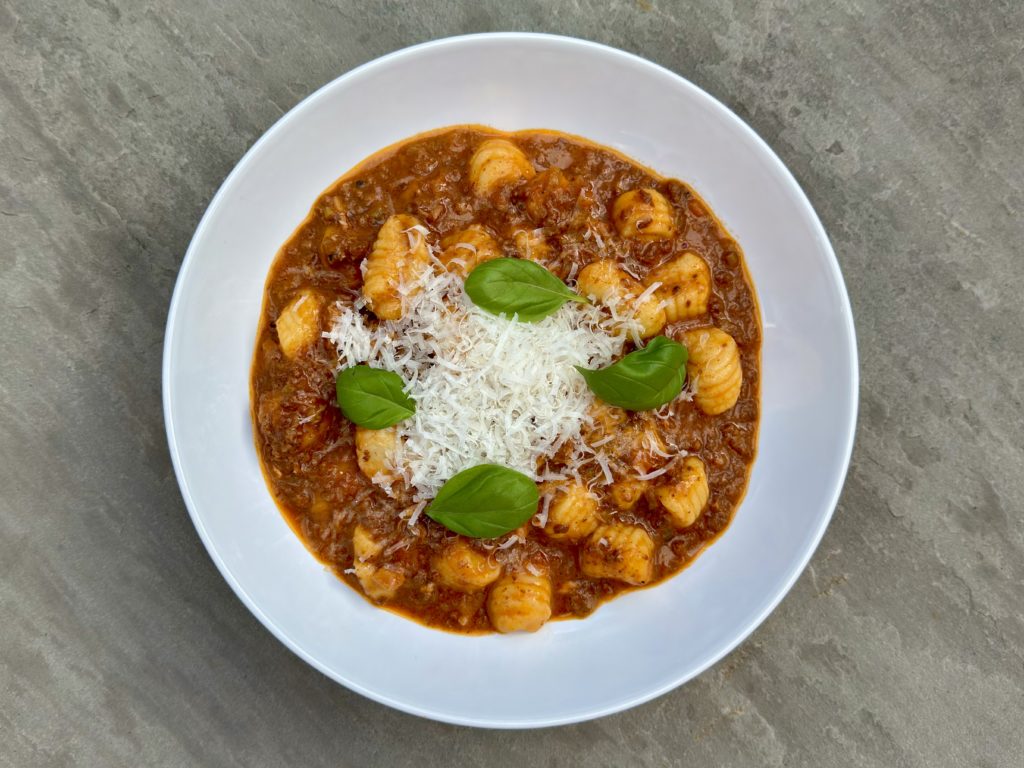
Pasta alla Zozzona
Zozzona translates roughly to "filthy" in Roman dialect — an affectionate term for something gloriously over-the-top. The dish lives up to the name. It is a deliberate mash-up of carbonara, amatriciana, and gricia in one pan — guanciale, sausage, tomato, egg yolks, and cheese, all the things that make Rome's classic pastas brilliant, piled into one bowl with no apology.
It is not subtle. It is not refined. That is the point.
Ingredients
- 125 g Guanciale (thinly sliced)
- 200 g Italian sausage meat (or Cumberland, casings removed)
- 3 cloves Garlic (thinly sliced)
- 300 g Tomato passata (or blended peeled plum tomatoes)
- 2 Eggs (yolks only)
- 75 g Pecorino Romano (finely grated)
- Black pepper (freshly ground, to taste)
- 150 g Rigatoni
- 10 leaves Fresh basil (torn)
- 20 g Pecorino Romano (finely grated, to finish)
Equipment
- Fine Microplane grater
- Saucier or wide heavy-bottomed pan
- Large saucepan
- Sharp knife
Method
Prep the guanciale and cheese mixture
Cut the guanciale into thin lardons, roughly 3mm thick. Grate the cheese finely. Combine the cheese, egg yolks, and black pepper in a bowl. Set aside.
For this step: 125 g Guanciale, 2 Eggs, 75 g Pecorino Romano, Black pepper
Render the guanciale
Put the guanciale into a cold, wide saucier pan and set it over medium heat. Let the fat render slowly until the meat crisps.
Set aside the guanciale and save the fat
Lift the crispy guanciale out with a slotted spoon and set aside for the garnish. Spoon 3/4 of the rendered fat into a small bowl and leave it to cool — this goes into the egg mixture later.
Brown the sausage
Add the sausage meat to the pan with the remaining fat. Break it into a mince consistency and let it brown over medium heat. The more colour you build here, the deeper the finished sauce — be patient.
For this step: 200 g Italian sausage meat
Add the garlic
Add the sliced garlic only when the sausage is fully browned and stir for one minute. Keep it moving so it softens and turns fragrant but does not colour — browned garlic turns bitter and the bitterness will follow the dish all the way to the plate.
For this step: 3 cloves Garlic
Build the sauce
Pour in the passata and stir to combine, scraping up the fond from the base of the pan. Turn the heat down and let it simmer for 20 minutes until thickened and glossy.
For this step: 300 g Tomato passata
Cook the pasta
Fill a large saucepan with water, season generously with salt, and bring to the boil. Drop the rigatoni in ten minutes into the sauce’s simmer. Cook to one minute less than the packet time — the pasta finishes cooking in the sauce.
For this step: 150 g Rigatoni
Temper the yolks
Stir the cooled guanciale fat into the egg-cheese mixture. While the pasta cooks, ladle a tablespoon of pasta water into the yolks and whisk fast. Repeat three more times to bring the temperature up gradually.
Combine pasta and sauce
Lift the pasta straight into the saucier pan with the sauce. Save a mug of pasta water first. Simmer everything together for the final minute so the pasta drinks up flavour.
Finish with the egg mixture
Pull the pan off the heat. Pour the tempered yolk mixture over the pasta and stir immediately and constantly until glossy and emulsified. Loosen with a splash of pasta water if it tightens up.
Taste and serve
Taste for seasoning — the cheese and guanciale carry most of it, so go gently. Serve into warmed bowls, scatter over the reserved crispy guanciale, torn basil, and extra grated cheese.
For this step: 10 leaves Fresh basil, 20 g Pecorino Romano
Notes & Substitutions
Pecorino vs Parmesan: Traditional Roman pastas lean on Pecorino Romano for its sharper, saltier punch. Parmesan is softer and rounder. Both work — Pecorino is more authentic, Parmesan more forgiving if you are nervous about salt levels.
Sausage: Italian sausage (fennel-spiked) is the traditional choice. Good Cumberland works well too — just check the seasoning isn’t too sage-heavy, which can fight the tomato.
Pasta shape: Rigatoni is the classic. Mezzi rigatoni, paccheri, or tortiglioni all work. You want something with ridges and hollows to hold the sauce.
Tomato: Good passata is fine. If using whole tinned plum tomatoes, blend or crush them before adding — you want a smooth sauce, not chunks.
Serve immediately: This dish does not hold or reheat well. The egg yolk sauce tightens as it cools and does not come back together on reheating. Cook it, serve it, eat it.

Free guide: How to Cook Properly
How to Cook Properly — the 11 principles that turn average into outstanding
Equipment worth having
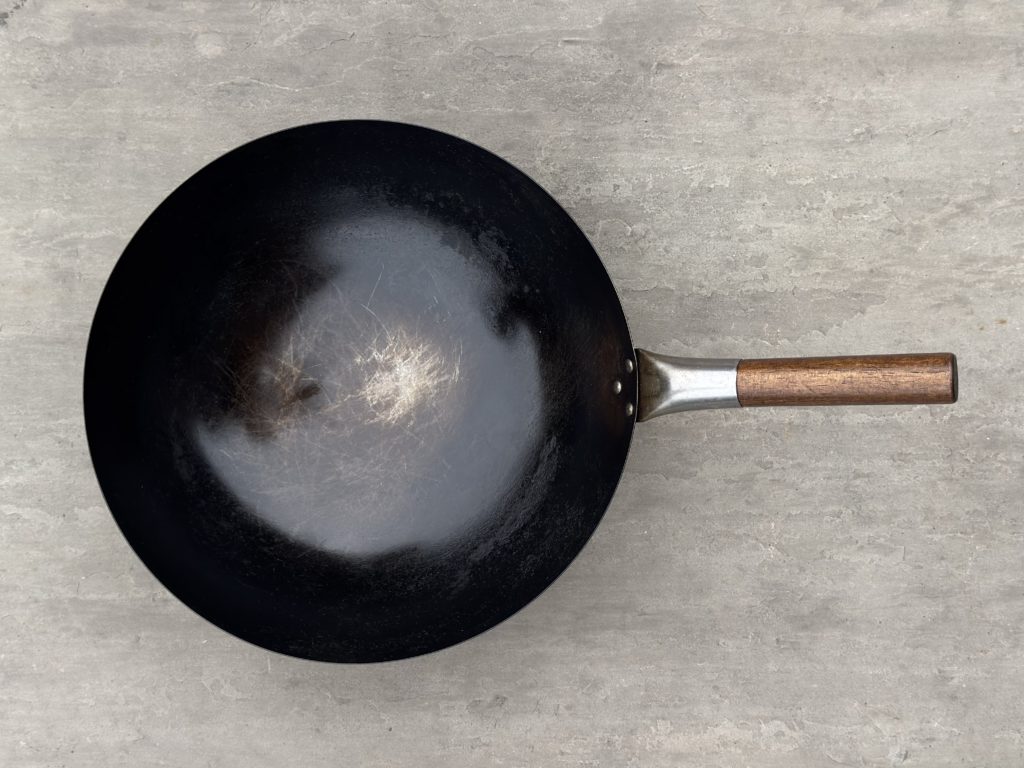
The wok costs £25. The heat underneath it is what you're really paying for.
£10-£25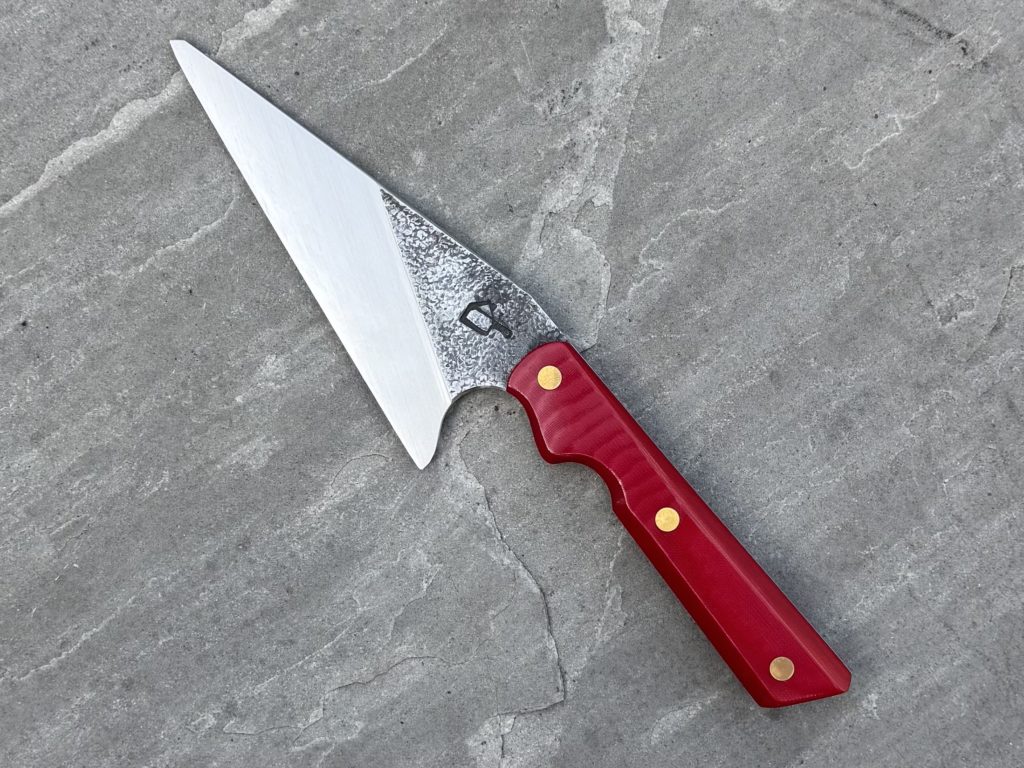
The wok costs £25. The heat underneath it is what you're really paying for.
£10-£25
The wok costs £25. The heat underneath it is what you're really paying for.
£10-£25
Shape what comes next
Got a recipe you'd love to see, or an idea to make the site better? We read every suggestion.
Log in to suggest