Spaghetti and meatballs has been ruined by association. The Italian-American version — drowned in red sauce, oversized meatballs on a bed of soft pasta — has very little to do with the dish as it's cooked in Italy. In Abruzzo, the meatballs are smaller, the sauce is simpler, and the spaghetti is the equal partner on the plate.
This version stays closer to the original. Small pork meatballs, a tomato sauce built on a few good ingredients done properly, spaghetti finished in the sauce so the pasta and tomato become one thing. Done well, it proves you don't need to complicate good food.
Ingredients
- Meatballs
- 300 g 20% Fat pork mince
- 40 g Ricotta
- 1 Eggs
- 25 g Panko breadcrumbs
- 25 g Parmesan, finely grated
- 2 cloves Garlic, minced
- 8 g Flat-leaf parsley, finely chopped
- 4.5 g Fine sea salt
- 1.5 g Black pepper, finely ground
- Tomato sauce
- 400 g Tinned plum tomatoes
- 3 cloves Garlic, thinly sliced
- 25 g Parmesan, finely grated
- 20 g Extra virgin olive oil
- 10 g Butter, chilled
- Neutral oil, for frying
- Pasta
- 150 g Spaghetti
- To serve
- 20 g Parmesan, finely grated
- 10 leaves (5g) Fresh basil, torn
Equipment
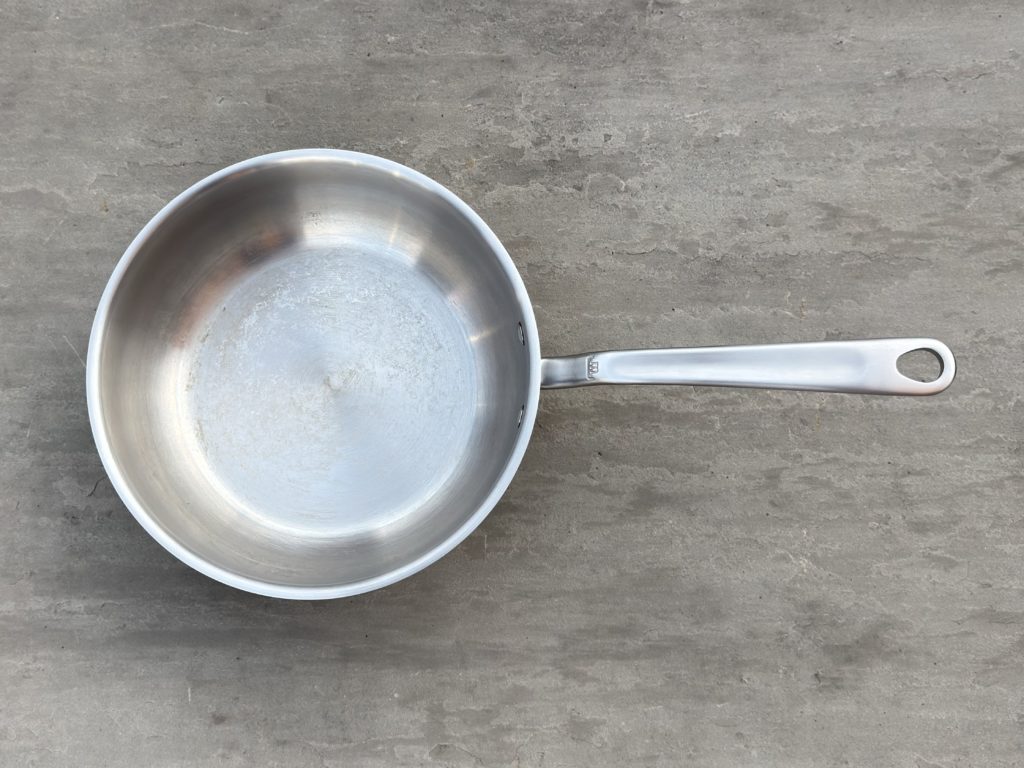
- Saucier or wide heavy-bottomed pan →
- Large saucepan
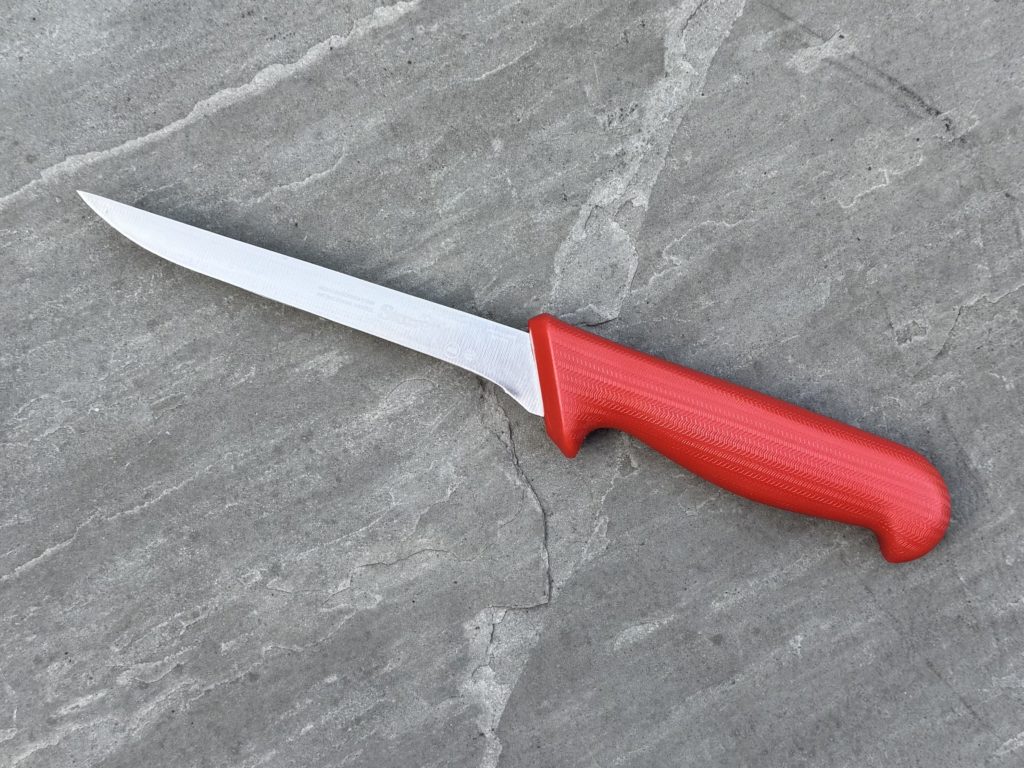
- Sharp knife →
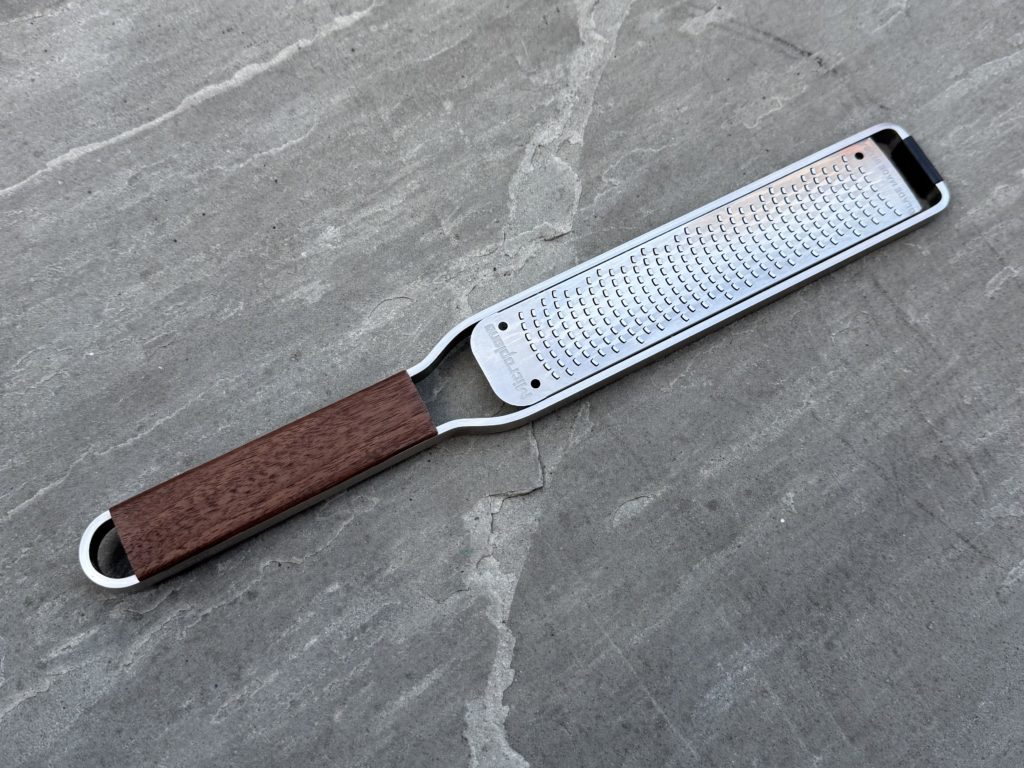
- Fine Microplane grater →
- Food mill or blender
Method
Finely grate the Parmesan and mince the garlic. Combine with all the remaining meatball ingredients in a bowl and mix until thoroughly combined.
Pinch a grape-sized piece of meat from the mixture and roll between your palms to form a uniform ball. Place on a tray and repeat until all the meat is used.
Thinly slice the garlic for the sauce. Blend or mill the tinned tomatoes until almost smooth. Grate the Parmesan for the sauce. Chill the butter.
Heat a stainless steel saucier or wide frying pan over a medium heat. Once hot, add a drizzle of neutral oil to thinly coat the base of the pan.
Place the meatballs in the pan with a small gap between each one. If they don’t all fit comfortably, cook in batches. Leave them alone — they will release on their own with a firm shake of the pan when they are ready to turn. Brown on two sides. They don’t need to be cooked through at this stage — this step is about colour and flavour.
Once all the meatballs are browned, return any batches to the pan and push them to one side. Add the olive oil to the empty space and let it heat briefly. Add the sliced garlic and let it sizzle for about a minute — before it starts to colour, add the blended tomatoes and stir to combine, scraping up the fond from the base of the pan. Simmer for 20 minutes, stirring occasionally.
While the sauce simmers, bring a large saucepan of salted water to the boil. Grate the finishing Parmesan, pick the basil leaves, and warm the plates.
Ten minutes into the sauce simmering, add the spaghetti to the boiling water and cook until almost al dente — about 1 minute less than the packet time.
Add the pasta directly to the sauce and toss to combine, coating every strand. Cook together for 1 minute, adding a splash of pasta water if the sauce tightens too much.
Remove the pan from the heat. Stir in the Parmesan and chilled butter until fully combined and the sauce turns glossy. Taste and adjust the seasoning.
Twirl the pasta onto warm plates using tongs or a fork, lifting from the centre of the pan so each portion catches a few meatballs. Spoon over any remaining sauce, then finish with a generous grating of Parmesan and the torn basil leaves.
Notes & Substitutions
Pork mince fat content: 20% fat is the minimum for a meatball that stays juicy and holds together. Leaner mince produces a tighter, drier result — avoid anything labelled extra lean. If you can only find standard pork mince without a fat percentage listed, check with your butcher.
Beef and pork blend: A half-and-half mix of beef and pork mince also works well — slightly richer and denser than pure pork. Pure pork stays the cleanest and most traditional to Abruzzo, but the blend is closer to what most Italian-American versions use.
Tomatoes: Use the best tinned plum tomatoes you can find. San Marzano DOP or similar Italian peeled plum tomatoes have less acidity and more natural sweetness — with a sauce this simple, each ingredient matters. Cheap tinned tomatoes produce a watery, sharp sauce that no amount of simmering fully corrects.
Parmesan or Pecorino: Pecorino Romano can replace Parmesan for a sharper, saltier finish. If you go that route, ease back on the salt in the meatball mix and the pasta water — Pecorino carries significant salt that builds up unnoticed.
Pasta: Bronze-die extruded spaghetti has a rougher surface than cheaper smooth varieties, which means it holds sauce better. Worth the small extra cost for a dish where the pasta is half the story.
You might also like
Spaghetti and Meatballs
Spaghetti and meatballs has been ruined by association. The Italian-American version — drowned in red sauce, oversized meatballs on a bed of soft pasta — has very little to do with the dish as it's cooked in Italy. In Abruzzo, the meatballs are smaller, the sauce is simpler, and the spaghetti is the equal partner on the plate.
This version stays closer to the original. Small pork meatballs, a tomato sauce built on a few good ingredients done properly, spaghetti finished in the sauce so the pasta and tomato become one thing. Done well, it proves you don't need to complicate good food.
Ingredients
- 300 g 20% Fat pork mince
- 40 g Ricotta
- 1 Eggs
- 25 g Panko breadcrumbs
- 25 g Parmesan (finely grated)
- 2 cloves Garlic (minced)
- 8 g Flat-leaf parsley (finely chopped)
- 4.5 g Fine sea salt
- 1.5 g Black pepper (finely ground)
- 400 g Tinned plum tomatoes
- 3 cloves Garlic (thinly sliced)
- 25 g Parmesan (finely grated)
- 20 g Extra virgin olive oil
- 10 g Butter (chilled)
- Neutral oil (for frying)
- 150 g Spaghetti
- 20 g Parmesan (finely grated)
- 10 leaves Fresh basil (torn)
Equipment
- Saucier or wide heavy-bottomed pan
- Large saucepan
- Sharp knife
- Fine Microplane grater
- Food mill or blender
Method
Mix the meatballs
Finely grate the Parmesan and mince the garlic. Combine with all the remaining meatball ingredients in a bowl and mix until thoroughly combined.
For this step: 300 g 20% Fat pork mince, 40 g Ricotta, 1 Eggs, 25 g Panko breadcrumbs, 25 g Parmesan, 2 cloves Garlic, 8 g Flat-leaf parsley, 4.5 g Fine sea salt, 1.5 g Black pepper
Roll the meatballs
Pinch a grape-sized piece of meat from the mixture and roll between your palms to form a uniform ball. Place on a tray and repeat until all the meat is used.
Mise en place
Thinly slice the garlic for the sauce. Blend or mill the tinned tomatoes until almost smooth. Grate the Parmesan for the sauce. Chill the butter.
For this step: 400 g Tinned plum tomatoes, 3 cloves Garlic, 25 g Parmesan
Heat the pan
Heat a stainless steel saucier or wide frying pan over a medium heat. Once hot, add a drizzle of neutral oil to thinly coat the base of the pan.
Fry the meatballs
Place the meatballs in the pan with a small gap between each one. If they don’t all fit comfortably, cook in batches. Leave them alone — they will release on their own with a firm shake of the pan when they are ready to turn. Brown on two sides. They don’t need to be cooked through at this stage — this step is about colour and flavour.
Build the sauce
Once all the meatballs are browned, return any batches to the pan and push them to one side. Add the olive oil to the empty space and let it heat briefly. Add the sliced garlic and let it sizzle for about a minute — before it starts to colour, add the blended tomatoes and stir to combine, scraping up the fond from the base of the pan. Simmer for 20 minutes, stirring occasionally.
For this step: 20 g Extra virgin olive oil
Boil the water
While the sauce simmers, bring a large saucepan of salted water to the boil. Grate the finishing Parmesan, pick the basil leaves, and warm the plates.
Cook the pasta
Ten minutes into the sauce simmering, add the spaghetti to the boiling water and cook until almost al dente — about 1 minute less than the packet time.
For this step: 150 g Spaghetti
Finish the pasta in the sauce
Add the pasta directly to the sauce and toss to combine, coating every strand. Cook together for 1 minute, adding a splash of pasta water if the sauce tightens too much.
Finish the sauce
Remove the pan from the heat. Stir in the Parmesan and chilled butter until fully combined and the sauce turns glossy. Taste and adjust the seasoning.
For this step: 25 g Parmesan, 10 g Butter
Plate and serve
Twirl the pasta onto warm plates using tongs or a fork, lifting from the centre of the pan so each portion catches a few meatballs. Spoon over any remaining sauce, then finish with a generous grating of Parmesan and the torn basil leaves.
For this step: 20 g Parmesan, 10 leaves Fresh basil
Notes & Substitutions
Pork mince fat content: 20% fat is the minimum for a meatball that stays juicy and holds together. Leaner mince produces a tighter, drier result — avoid anything labelled extra lean. If you can only find standard pork mince without a fat percentage listed, check with your butcher.
Beef and pork blend: A half-and-half mix of beef and pork mince also works well — slightly richer and denser than pure pork. Pure pork stays the cleanest and most traditional to Abruzzo, but the blend is closer to what most Italian-American versions use.
Tomatoes: Use the best tinned plum tomatoes you can find. San Marzano DOP or similar Italian peeled plum tomatoes have less acidity and more natural sweetness — with a sauce this simple, each ingredient matters. Cheap tinned tomatoes produce a watery, sharp sauce that no amount of simmering fully corrects.
Parmesan or Pecorino: Pecorino Romano can replace Parmesan for a sharper, saltier finish. If you go that route, ease back on the salt in the meatball mix and the pasta water — Pecorino carries significant salt that builds up unnoticed.
Pasta: Bronze-die extruded spaghetti has a rougher surface than cheaper smooth varieties, which means it holds sauce better. Worth the small extra cost for a dish where the pasta is half the story.

Free guide: How to Cook Properly
How to Cook Properly — the 11 principles that turn average into outstanding
Equipment worth having
Shape what comes next
Got a recipe you'd love to see, or an idea to make the site better? We read every suggestion.
Log in to suggest