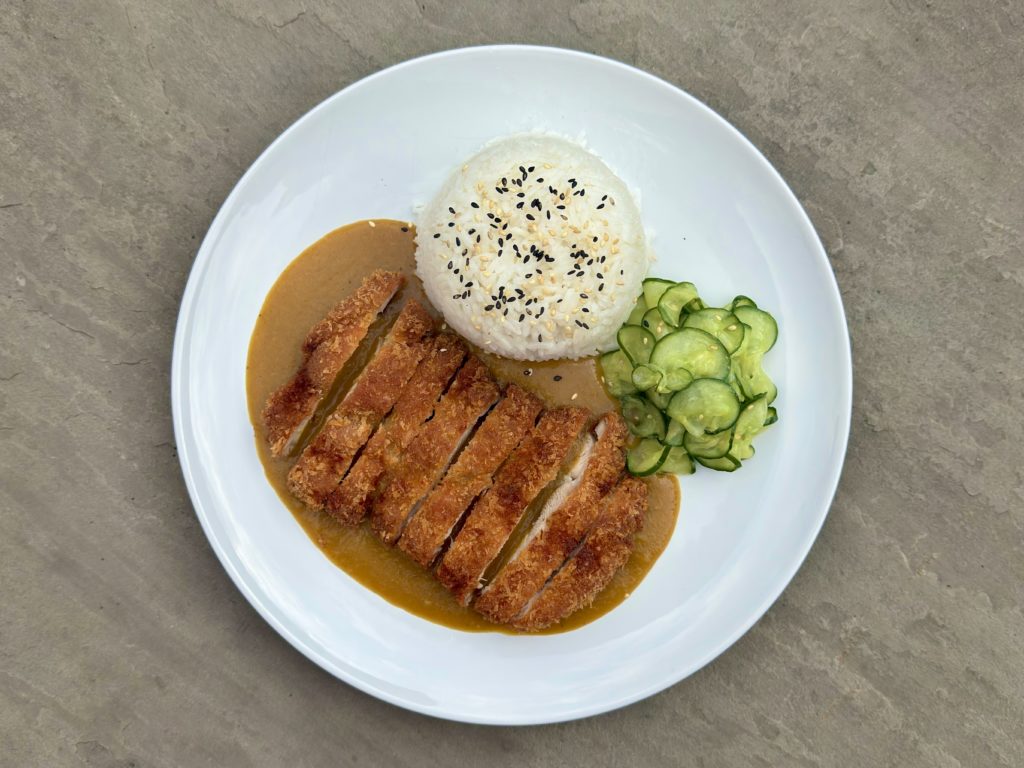
Tonkatsu lives or dies on the crust and the seasoning underneath it. Salting the pork a day ahead does the real work here — the meat stays juicy under a crisp panko shell instead of drying out from the inside as it fries. Sharp, tangy tonkatsu sauce and finely shredded cold cabbage cut through the richness, and a mound of sesame rice rounds it out.
Ingredients
- For the pork
- 2 Pork loin steaks, 2–2.5cm thick, about 250g each
- Fine sea salt, 1.2% of pork weight, about 3g per 250g steak
- 30 g Plain flour
- 1 Eggs, beaten with 1 tbsp water
- 70 g Panko breadcrumbs
- 500 g Neutral deep frying oil, or enough for 2–3cm depth in the pan
- For the rice
- 200 g Thai jasmine rice
- 260 g Water
- 0.5 tsp (3g) Toasted sesame seeds
- For the cabbage
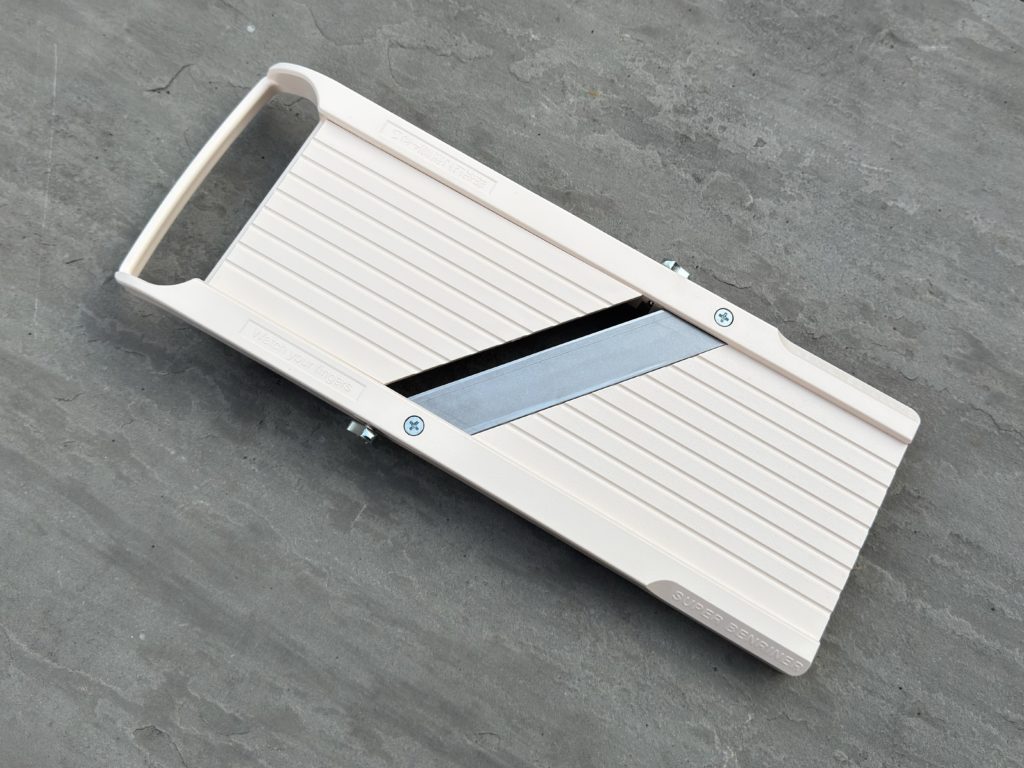
- 0.25 (200g) White cabbage, or sweetheart or hispi, very finely shredded on a mandoline
- 1 tsp (4.5g) Sesame oil
- For the tonkatsu sauce
- 100 g Tomato ketchup
- 60 g Worcestershire sauce
- 25 g Light soy sauce
- 20 g Mirin
- 15 g Dark brown sugar
- To serve
- 0.5 Lemon, cut into wedges
Equipment
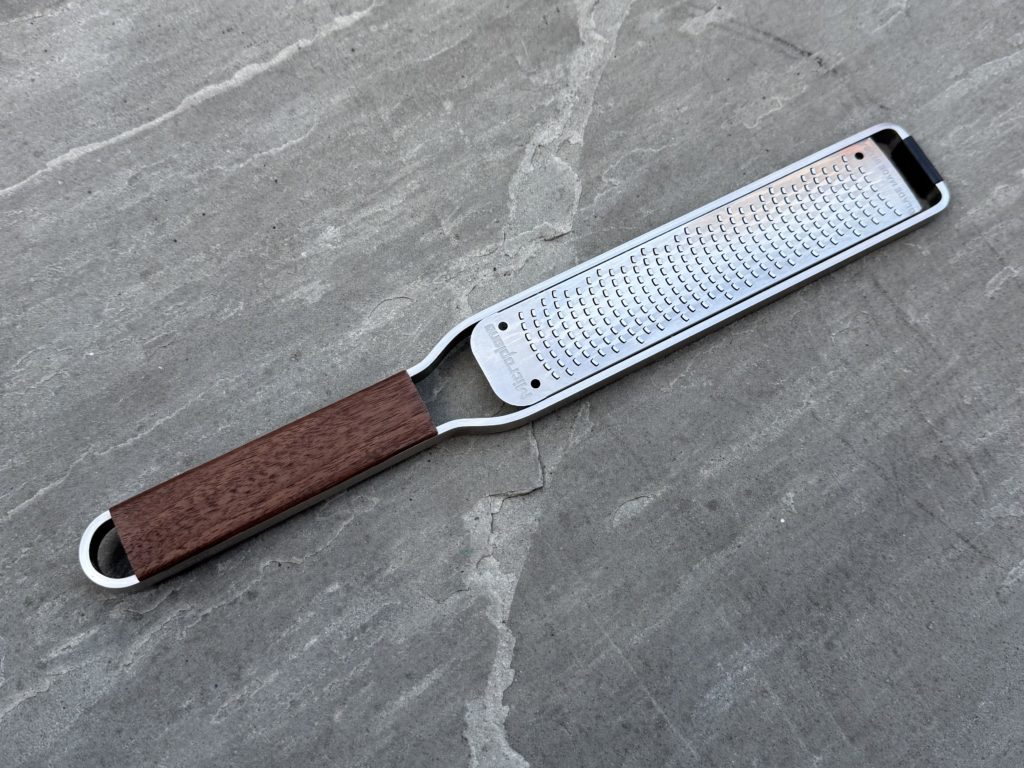
- Mandoline →
- Salad spinner
- Digital probe thermometer
- Oil thermometer
- Wire rack
- Saucepan with tight-fitting lid
Method
Pat the pork steaks completely dry with kitchen paper. Weigh each steak and season evenly on all sides with fine sea salt at 1.2% of its weight. Leave uncovered on a rack in the fridge for at least 2 hours, ideally up to 24.
Wash the rice in a bowl of cold water, swirling and draining off the cloudy water, and repeat until the water runs close to clear. Transfer to a saucepan with a tight-fitting lid and add the water, weighed accurately.
Place over a medium-high heat. As soon as it starts to simmer, turn the heat down as low as it will go, cover with the lid, and steam for 12 minutes.
Remove from the heat, keep the lid on, and leave to rest for 10–15 minutes. Fluff with a fork just before serving.
Shred the cabbage as finely as possible using a mandoline. Soak in a bowl of ice water for 10–15 minutes, then drain thoroughly and dry in a salad spinner. Chill until serving.
Combine the ketchup, Worcestershire sauce, light soy sauce, mirin, and dark brown sugar in a small saucepan. Warm gently over a low heat for 2–3 minutes, stirring, without letting it boil hard. Cool to room temperature before serving.
Set up three trays: one with the flour, one with the beaten egg, and one with the panko. Pat the pork dry once more.
Coat each steak in flour, shaking off any excess, then dip in the egg mixture, then coat in panko, pressing gently so the crumbs adhere across the whole surface. Rest the breaded pork for 10–15 minutes before frying.
Heat the oil to 170–175°C in a deep pan or saucepan. Fry the pork for around 3 minutes per side, turning only once, until deep golden and the internal temperature reaches 55°C. See how to cook pork to temperature for a full guide. Rest on a wire rack for 5–8 minutes before slicing.
Toss the drained cabbage with the sesame oil. Slice the rested pork into strips and drizzle over the tonkatsu sauce. Press the rice into a small bowl and turn it out onto the plate to form a neat dome, then sprinkle over the sesame seeds.
Pile the dressed cabbage alongside the pork and rice, and serve with a lemon wedge.
Notes & Substitutions
Salting time: 2 hours is the minimum for a noticeable improvement, but the full 24 hours gives the best result — plan ahead if you can.
Cabbage without a salad spinner: skip the ice water soak and shred straight onto the plate. Dry cabbage without the extra crunch beats wet cabbage every time.
Pork thickness: if your steaks are thinner or thicker than 2–2.5cm, adjust the frying time accordingly and rely on the internal temperature rather than the clock.
Sauce make-ahead: the tonkatsu sauce keeps in the fridge for up to a week and only improves with a day or two to sit.
Oil for reuse: once cooled and strained through a fine sieve, the frying oil can be reused once or twice more for another batch of katsu before it starts to break down.
You might also like
Tonkatsu
Tonkatsu lives or dies on the crust and the seasoning underneath it. Salting the pork a day ahead does the real work here — the meat stays juicy under a crisp panko shell instead of drying out from the inside as it fries. Sharp, tangy tonkatsu sauce and finely shredded cold cabbage cut through the richness, and a mound of sesame rice rounds it out.
Ingredients
- 2 Pork loin steaks (2–2.5cm thick, about 250g each)
- Fine sea salt (1.2% of pork weight, about 3g per 250g steak)
- 30 g Plain flour
- 1 Eggs (beaten with 1 tbsp water)
- 70 g Panko breadcrumbs
- 500 g Neutral deep frying oil (or enough for 2–3cm depth in the pan)
- 200 g Thai jasmine rice
- 260 g Water
- 0.5 tsp Toasted sesame seeds
- 0.25 White cabbage (or sweetheart or hispi, very finely shredded on a mandoline)
- 1 tsp Sesame oil
- 100 g Tomato ketchup
- 60 g Worcestershire sauce
- 25 g Light soy sauce
- 20 g Mirin
- 15 g Dark brown sugar
- 0.5 Lemon (cut into wedges)
Equipment
- Mandoline
- Salad spinner
- Digital probe thermometer
- Oil thermometer
- Wire rack
- Saucepan with tight-fitting lid
Method
Salt the pork
Pat the pork steaks completely dry with kitchen paper. Weigh each steak and season evenly on all sides with fine sea salt at 1.2% of its weight. Leave uncovered on a rack in the fridge for at least 2 hours, ideally up to 24.
For this step: 2 Pork loin steaks, Fine sea salt
Wash and cook the rice
Wash the rice in a bowl of cold water, swirling and draining off the cloudy water, and repeat until the water runs close to clear. Transfer to a saucepan with a tight-fitting lid and add the water, weighed accurately.
Place over a medium-high heat. As soon as it starts to simmer, turn the heat down as low as it will go, cover with the lid, and steam for 12 minutes.
Remove from the heat, keep the lid on, and leave to rest for 10–15 minutes. Fluff with a fork just before serving.
For this step: 200 g Thai jasmine rice, 260 g Water
Soak and dry the cabbage
Shred the cabbage as finely as possible using a mandoline. Soak in a bowl of ice water for 10–15 minutes, then drain thoroughly and dry in a salad spinner. Chill until serving.
For this step: 0.25 White cabbage
Make the tonkatsu sauce
Combine the ketchup, Worcestershire sauce, light soy sauce, mirin, and dark brown sugar in a small saucepan. Warm gently over a low heat for 2–3 minutes, stirring, without letting it boil hard. Cool to room temperature before serving.
For this step: 100 g Tomato ketchup, 60 g Worcestershire sauce, 25 g Light soy sauce, 20 g Mirin, 15 g Dark brown sugar
Bread the pork
Set up three trays: one with the flour, one with the beaten egg, and one with the panko. Pat the pork dry once more.
Coat each steak in flour, shaking off any excess, then dip in the egg mixture, then coat in panko, pressing gently so the crumbs adhere across the whole surface. Rest the breaded pork for 10–15 minutes before frying.
For this step: 30 g Plain flour, 1 Eggs, 70 g Panko breadcrumbs
Fry the pork
Heat the oil to 170–175°C in a deep pan or saucepan. Fry the pork for around 3 minutes per side, turning only once, until deep golden and the internal temperature reaches 55°C. See how to cook pork to temperature for a full guide. Rest on a wire rack for 5–8 minutes before slicing.
For this step: 500 g Neutral deep frying oil
Assemble and serve
Toss the drained cabbage with the sesame oil. Slice the rested pork into strips and drizzle over the tonkatsu sauce. Press the rice into a small bowl and turn it out onto the plate to form a neat dome, then sprinkle over the sesame seeds.
Pile the dressed cabbage alongside the pork and rice, and serve with a lemon wedge.
For this step: 0.5 tsp Toasted sesame seeds, 1 tsp Sesame oil, 0.5 Lemon
Notes & Substitutions
Salting time: 2 hours is the minimum for a noticeable improvement, but the full 24 hours gives the best result — plan ahead if you can.
Cabbage without a salad spinner: skip the ice water soak and shred straight onto the plate. Dry cabbage without the extra crunch beats wet cabbage every time.
Pork thickness: if your steaks are thinner or thicker than 2–2.5cm, adjust the frying time accordingly and rely on the internal temperature rather than the clock.
Sauce make-ahead: the tonkatsu sauce keeps in the fridge for up to a week and only improves with a day or two to sit.
Oil for reuse: once cooled and strained through a fine sieve, the frying oil can be reused once or twice more for another batch of katsu before it starts to break down.

Free guide: How to Cook Properly
How to Cook Properly — the 11 principles that turn average into outstanding
Equipment worth having
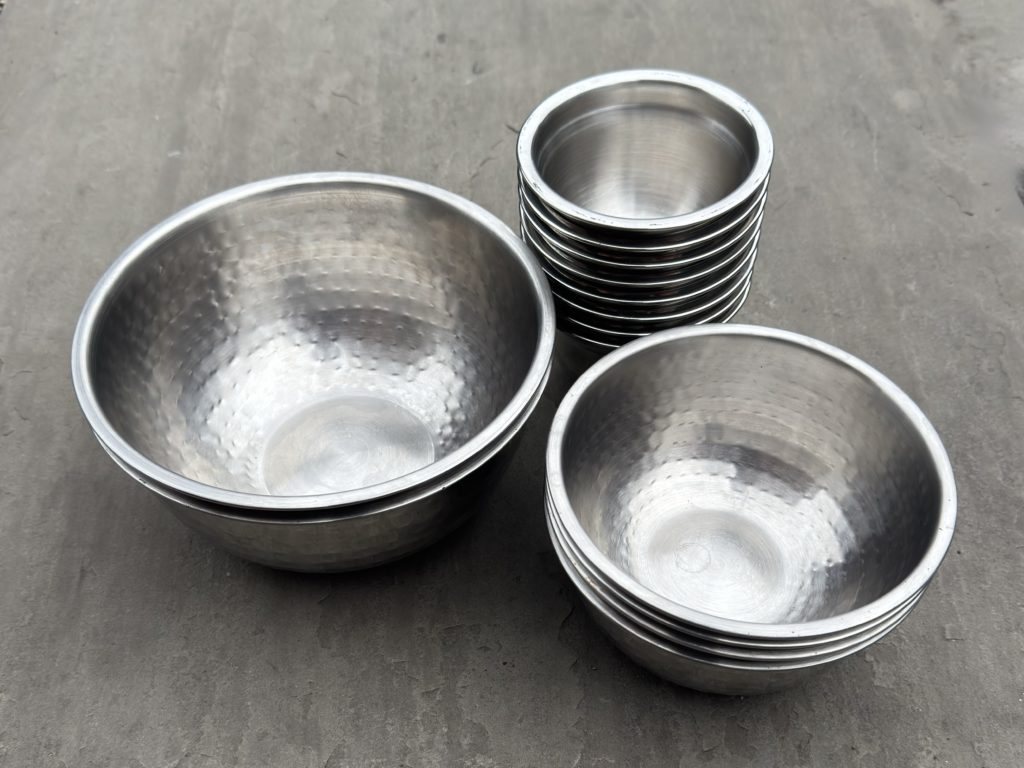
One bowl per ingredient. It sounds simple. It changes everything.
£25-£75
One bowl per ingredient. It sounds simple. It changes everything.
£25-£75
One bowl per ingredient. It sounds simple. It changes everything.
£25-£75
Shape what comes next
Got a recipe you'd love to see, or an idea to make the site better? We read every suggestion.
Log in to suggest