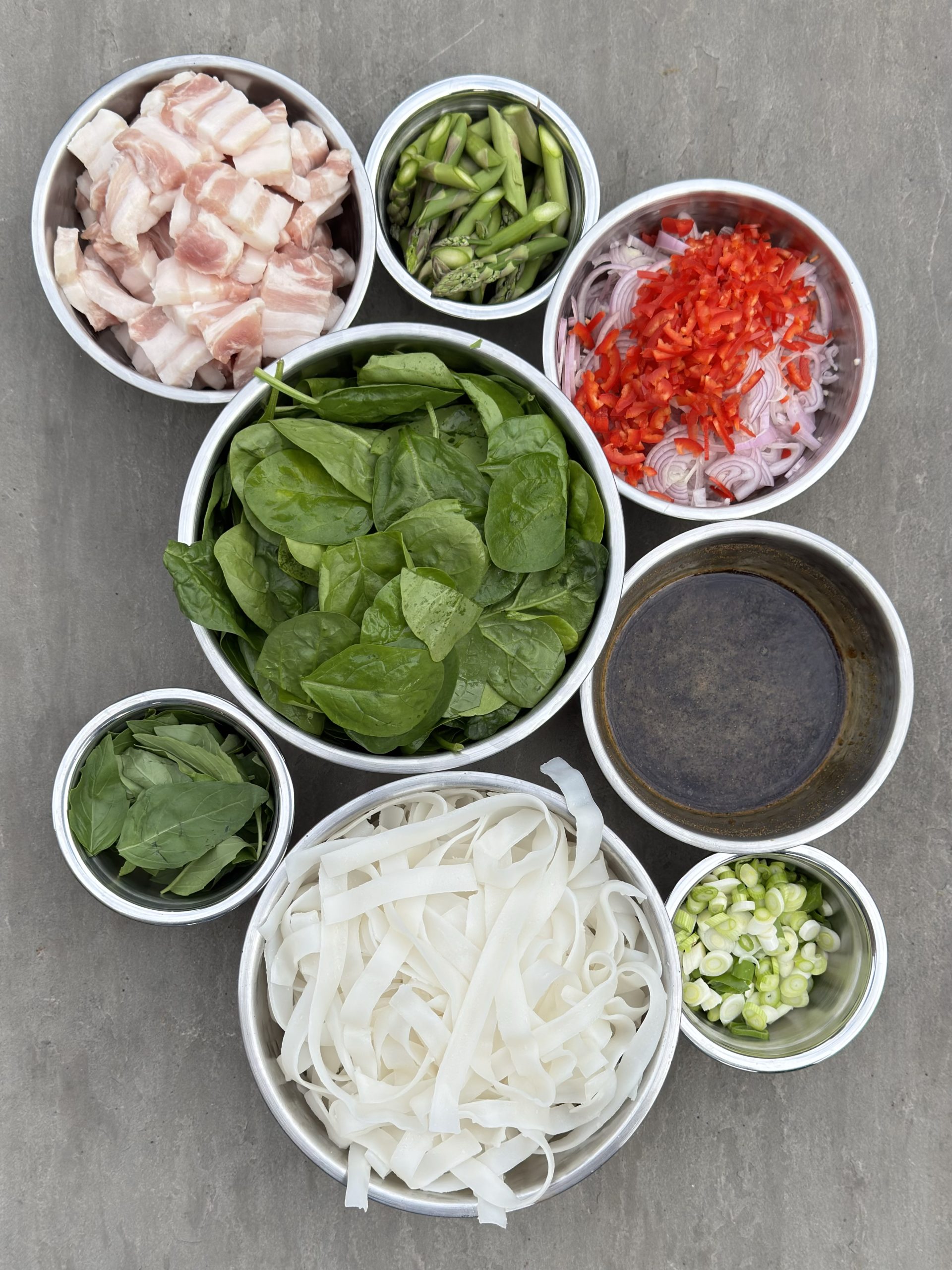
Yaki udon is a Japanese stir-fried noodle dish — thick, chewy udon noodles tossed in a savoury, slightly sweet sauce with pork belly, vegetables, and whatever heat your setup can produce. The key word is heat. This is proper wok cooking — high temperature, fast movement, smoke. The char you get from a screaming hot wok is not replicable at lower temperatures, and it is a significant part of what makes the dish taste the way it should.
The sauce here is built around dark soy, oyster sauce, and peanut butter. Peanut butter is not traditional, but it adds a richness and depth that the dish feels flat without. The MSG is optional in the sense that you can leave it out. It is recommended in the sense that it makes the sauce noticeably better.
Ingredients
- Sauce
- 1 tbsp (15g) Dark soy sauce
- 1 tbsp (15g) Light soy sauce
- 2 tbsp (36g) Oyster sauce
- 1 tbsp (21g) Honey
- 2 tbsp (32g) Peanut butter
- 1 tbsp (15g) Rice vinegar
- 1 tbsp (14g) Sesame oil
- 1 tbsp (13g) Dark brown sugar
- 0.5 tsp MSG, optional — see pro tip
- Noodles and stir fry
- 400 g Udon noodle sachet
- 250 g Pork belly, sliced widthways into roughly 4x4cm squares, 3–5mm thick
- Fine sea salt, to season
- 150 g Chestnut mushrooms, thickly sliced
- 0.5 White onion, finely sliced
- 3 cloves Garlic, minced
- 100 g Carrot, cut into matchsticks
- 120 g Savoy cabbage, sliced into 2–3cm strips
- 4 Spring onions, cut into 1cm slices
Equipment
- Round bottom wok →
- Wok spatula
- Wok burner
- Stainless steel prep bowls →
Combine the dark soy sauce, light soy sauce, oyster sauce, honey, peanut butter, rice vinegar, sesame oil, dark brown sugar, and MSG in a bowl and mix until smooth. Prep all the vegetables. Season the pork belly slices with fine sea salt. Loosen the udon noodles in boiling water for 2 minutes, then drain and set aside. See mise en place for the full reasoning on why this step matters.
Place the seasoned pork belly slices in a single layer in a cold wok and set over medium heat. Allow the fat to render slowly for around 5 minutes, then increase the heat and cook until the pieces are crisped and coloured on both sides. Remove to a bowl and set aside, leaving the rendered fat in the wok.
Increase to medium-high heat. Add the chestnut mushrooms to the wok and cook for 2–3 minutes until they begin to colour without releasing much moisture. Remove and add to the pork bowl.
Add the white onion and garlic to the wok and stir constantly on high heat for about 30 seconds until lightly cooked and beginning to char at the edges. Break up the minced garlic as you stir to prevent it clumping and burning in one spot.
Add the carrot matchsticks and savoy cabbage strips to the wok and stir fry on high heat for 1 minute. Keep everything moving.
Add the udon noodles, spring onions, pork belly, and chestnut mushrooms back to the wok. Stir fry on high heat for 30–60 seconds until the noodles are slightly scorched and everything is combined. Leave the noodles briefly without stirring so they pick up some char and smoky flavour.
Pour the sauce around the rim of the hot wok and fold through using the wok spatula until fully combined. Stir fry on high heat for 30–60 seconds — you want the sauce to catch slightly on the wok and the whole dish to develop some char and smokiness.
Serve immediately, straight from the wok into warmed bowls.
Notes & Substitutions
MSG: Listed as optional, recommended in practice. MSG is monosodium glutamate — a naturally occurring compound found in tomatoes, Parmesan, and soy sauce. It enhances savouriness without adding a detectable flavour of its own. The stigma around it is not supported by science. Half a teaspoon in the sauce makes a noticeable difference to the depth of the finished dish.
Pork belly: Look for belly with clearly defined alternating layers of fat and meat. The fat renders during the initial cook and becomes the flavour base for everything else in the wok. Lean belly with minimal fat layering will not give the same result.
Udon noodles: Vacuum-packed fresh udon sachets are available in most supermarkets. Dried udon works but needs cooking fully before going into the wok rather than just loosening. Frozen udon is an excellent option if you can find it.
Wok setup: This dish is best on an outdoor gas wok burner. An indoor gas hob works with good ventilation. Electric hobs struggle to maintain the temperature required — the dish is still edible but the char and smoke that defines proper yaki udon will be largely absent. See how to cook with a wok for setup guidance.
You might also like
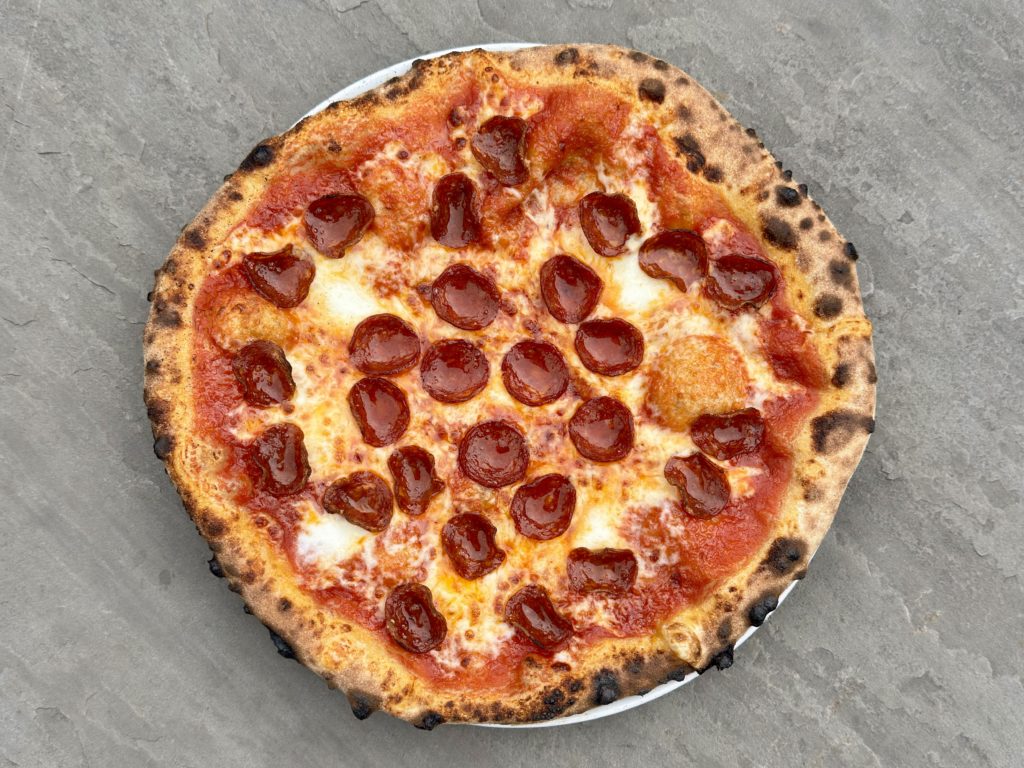
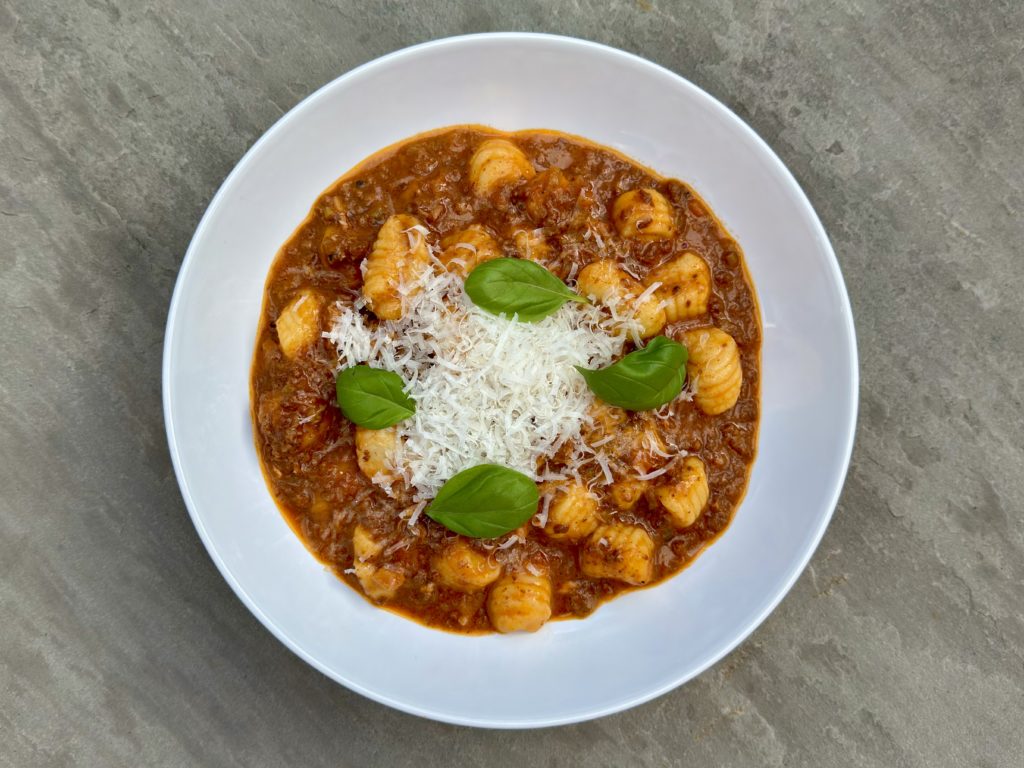
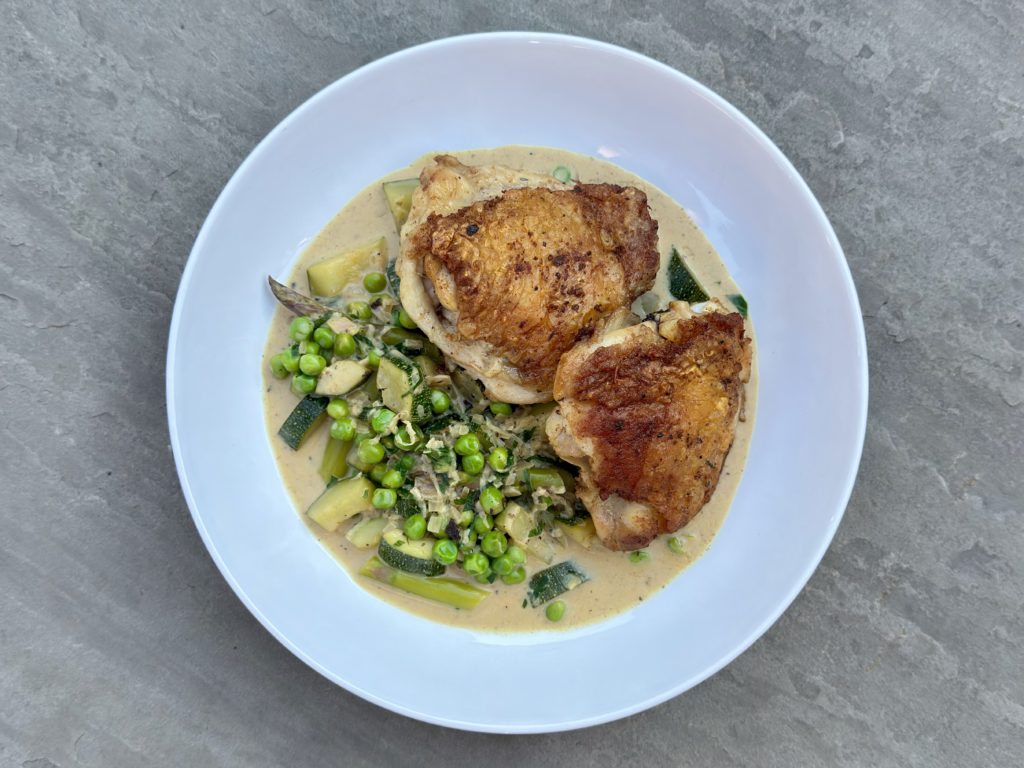
Pork Belly Yaki Udon
COOKED
PROPERLY
Ingredients
- 1 tbsp Dark soy sauce
- 1 tbsp Light soy sauce
- 2 tbsp Oyster sauce
- 1 tbsp Honey
- 2 tbsp Peanut butter
- 1 tbsp Rice vinegar
- 1 tbsp Sesame oil
- 1 tbsp Dark brown sugar
- 0.5 tsp MSG (optional — see pro tip)
- 400 g Udon noodle sachet
- 250 g Pork belly (sliced widthways into roughly 4x4cm squares, 3–5mm thick)
- Fine sea salt (to season)
- 150 g Chestnut mushrooms (thickly sliced)
- 0.5 White onion (finely sliced)
- 3 cloves Garlic (minced)
- 100 g Carrot (cut into matchsticks)
- 120 g Savoy cabbage (sliced into 2–3cm strips)
- 4 Spring onions (cut into 1cm slices)
Equipment
- Round bottom wok
- Wok spatula
- Wok burner
- Stainless steel prep bowls
Method
Mise en place
1 tbsp Dark soy sauce · 1 tbsp Light soy sauce · 2 tbsp Oyster sauce · 1 tbsp Honey · 2 tbsp Peanut butter · 1 tbsp Rice vinegar · 1 tbsp Sesame oil · 1 tbsp Dark brown sugar · 0.5 tsp MSG
Combine the dark soy sauce, light soy sauce, oyster sauce, honey, peanut butter, rice vinegar, sesame oil, dark brown sugar, and MSG in a bowl and mix until smooth. Prep all the vegetables. Season the pork belly slices with fine sea salt. Loosen the udon noodles in boiling water for 2 minutes, then drain and set aside. See mise en place for the full reasoning on why this step matters.
Mix the peanut butter with 1 tbsp of the light soy sauce until smooth before adding the remaining sauce ingredients — this prevents the peanut butter from staying in clumps rather than emulsifying into the sauce.
Render and crisp the pork belly
250 g Pork belly · Fine sea salt
Place the seasoned pork belly slices in a single layer in a cold wok and set over medium heat. Allow the fat to render slowly for around 5 minutes, then increase the heat and cook until the pieces are crisped and coloured on both sides. Remove to a bowl and set aside, leaving the rendered fat in the wok.
The rendered fat in the wok after removing the pork may look like a lot. It isn’t. The mushrooms will absorb a significant portion, and the rest emulsifies with the sauce to create the glossy finish in the final dish. Don’t discard it.
Cook the mushrooms
150 g Chestnut mushrooms
Increase to medium-high heat. Add the chestnut mushrooms to the wok and cook for 2–3 minutes until they begin to colour without releasing much moisture. Remove and add to the pork bowl.
Don’t move the mushrooms constantly. Let them sit against the hot wok surface and develop colour before stirring — sustained contact builds the crust. The same principle as searing meat.
Cook the onion and garlic
0.5 White onion · 3 cloves Garlic
Add the white onion and garlic to the wok and stir constantly on high heat for about 30 seconds until lightly cooked and beginning to char at the edges. Break up the minced garlic as you stir to prevent it clumping and burning in one spot.
Add the carrot and cabbage
100 g Carrot · 120 g Savoy cabbage
Add the carrot matchsticks and savoy cabbage strips to the wok and stir fry on high heat for 1 minute. Keep everything moving.
You want the vegetables to retain some bite — this is a stir fry, not a braise. One minute at high heat softens them slightly and picks up a little char without cooking them through.
Return the noodles, pork, and mushrooms
400 g Udon noodle sachet · 4 Spring onions
Add the udon noodles, spring onions, pork belly, and chestnut mushrooms back to the wok. Stir fry on high heat for 30–60 seconds until the noodles are slightly scorched and everything is combined. Leave the noodles briefly without stirring so they pick up some char and smoky flavour.
Add the sauce
Pour the sauce around the rim of the hot wok and fold through using the wok spatula until fully combined. Stir fry on high heat for 30–60 seconds — you want the sauce to catch slightly on the wok and the whole dish to develop some char and smokiness.
This step requires the hottest heat your setup can produce. On a gas wok burner outdoors this happens fast and dramatically. On an indoor gas hob it happens more slowly but still works — good ventilation is essential. On an electric hob the temperature required is very difficult to maintain, and the dish will be noticeably different as a result. See the wok equipment guide for setup recommendations.
Serve
Serve immediately, straight from the wok into warmed bowls.
Yaki udon does not hold well — the noodles continue absorbing the sauce and the texture changes quickly. Cook it, serve it, eat it.
SCAN TO OPEN
Good food, cooked properly.
Proper recipes, intelligent planning, one shopping list.
cookedproperly.com

Free guide: How to Cook Properly
How to Cook Properly — the 11 principles that turn average into outstanding
Equipment worth having
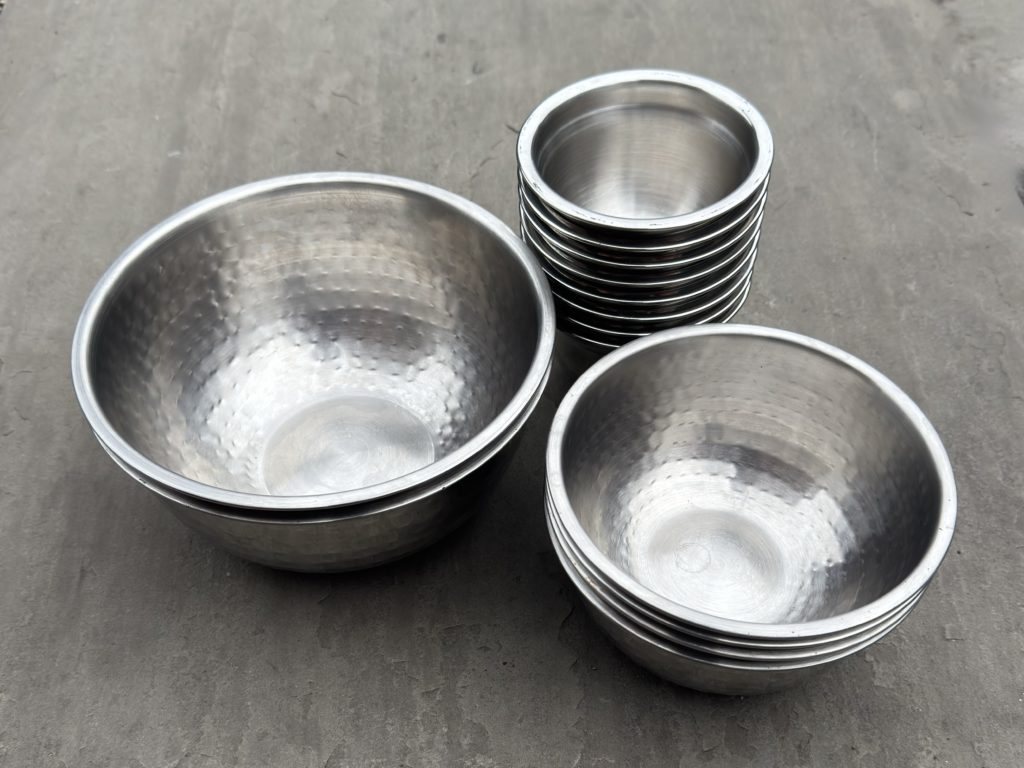
One bowl per ingredient. It sounds simple. It changes everything.
£25-£75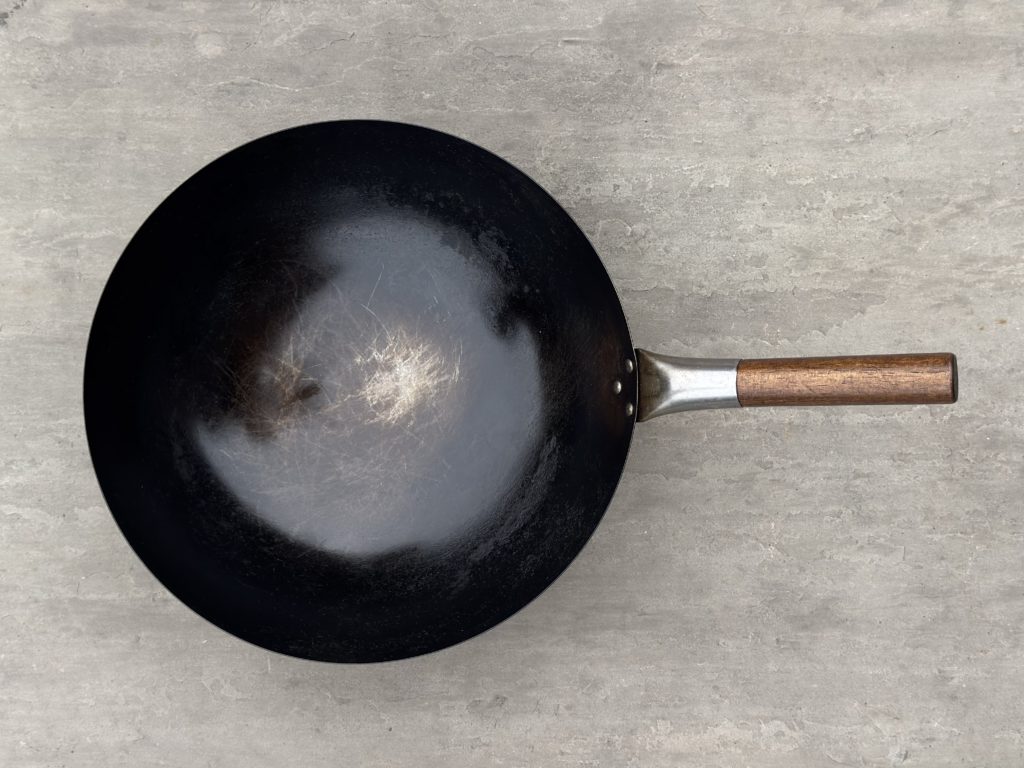
The wok costs £25. The heat underneath it is what you're really paying for.
£10-£25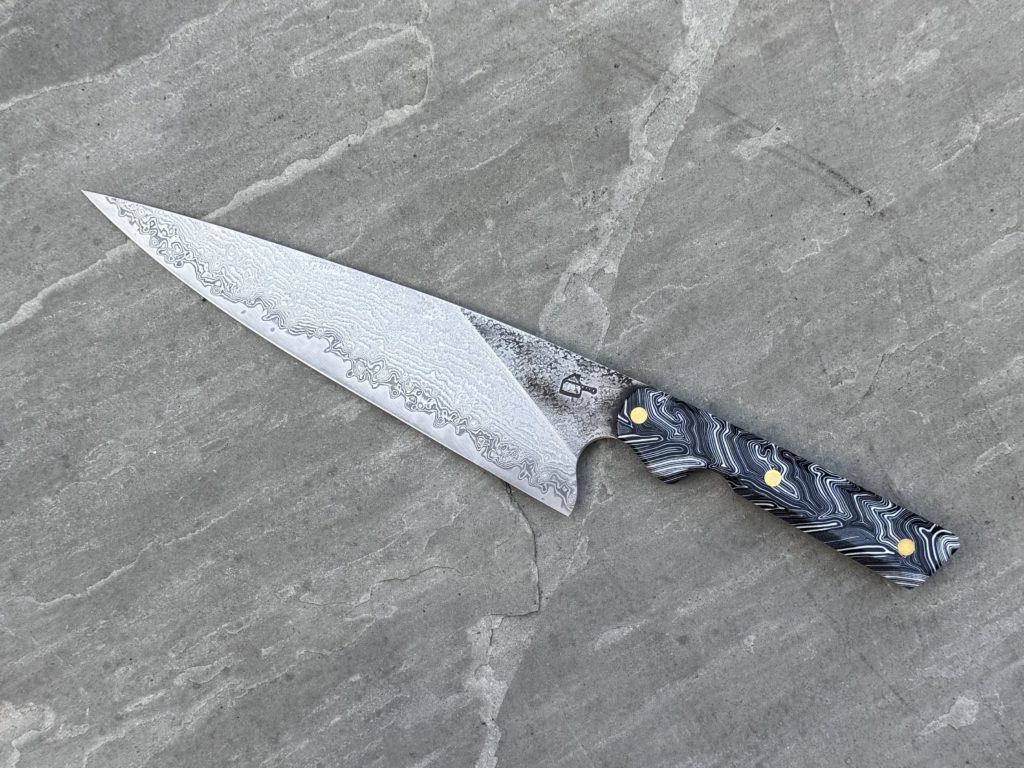
One bowl per ingredient. It sounds simple. It changes everything.
£25-£75
The wok costs £25. The heat underneath it is what you're really paying for.
£10-£25
One bowl per ingredient. It sounds simple. It changes everything.
£25-£75
The wok costs £25. The heat underneath it is what you're really paying for.
£10-£25
Shape what comes next
Got a recipe you'd love to see, or an idea to make the site better? We read every suggestion.
Log in to suggest