Kung Pao chicken done properly is about controlled heat and speed, not just chillies. Dried Sichuan chillies and whole peppercorns are toasted briefly to release their oils without turning bitter, the chicken gets a hard sear before it ever meets the sauce, and everything comes together in a wok in a few minutes. Serve with properly steamed jasmine rice to soak up the glossy, numbing sauce.
Ingredients
- For the chicken
- 450 g Boneless skinless chicken thighs, cut into 1.5–2cm cubes
- 1 tbsp (15g) Light soy sauce
- 1 tbsp (15g) Shaoxing wine
- 0.5 tsp Fine sea salt
- 0.25 tsp White pepper
- 1 tsp (3g) Cornflour
- 1 tsp (4.5g) Neutral oil
- For the peanuts
- 75 g Raw peanuts, skinless
- 1 tbsp (13.5g) Neutral oil
- For the aromatics
- 12 Dried Sichuan chillies
- 5 cloves Garlic, finely sliced
- 20 g Fresh ginger, finely sliced
- 4 Spring onions, white and green parts separated
- 1 tsp Sichuan peppercorns, whole
- For the sauce
- 1.5 tbsp (23g) Chinkiang black vinegar
- 1 tbsp (15g) Light soy sauce
- 1 tsp (6g) Dark soy sauce
- 1 tbsp (15g) Shaoxing wine
- 2 tsp (8g) Granulated sugar
- 50 ml Water
- 0.5 tsp (1.5g) Cornflour
- For the rice
- 250 g Thai jasmine rice
- 325 g Water
Equipment
- Carbon steel wok →
- Saucepan with tight-fitting lid
- Prep bowls →
Method
Cut the chicken into roughly 1.5–2cm cubes. Combine with the light soy sauce, Shaoxing wine, salt, white pepper, cornflour, and oil in a bowl, mixing to coat evenly. Cover and marinate for 20–30 minutes.
Wash the rice in a bowl of cold water, draining off the cloudy water and repeating until the water runs barely cloudy. Transfer the rice to a saucepan with a tight-fitting lid and add the measured water.
Place over a medium-high heat. As soon as it starts to simmer, reduce to the lowest possible heat, cover with the lid, and steam for 12 minutes. Remove from the heat, keeping the lid on, and rest for 10–15 minutes before fluffing with a fork.
Combine the black vinegar, light soy sauce, dark soy sauce, Shaoxing wine, sugar, water, and cornflour in a small bowl or jug. Mix thoroughly until the sugar and cornflour are fully dissolved, with no lumps remaining. Set aside near the wok.
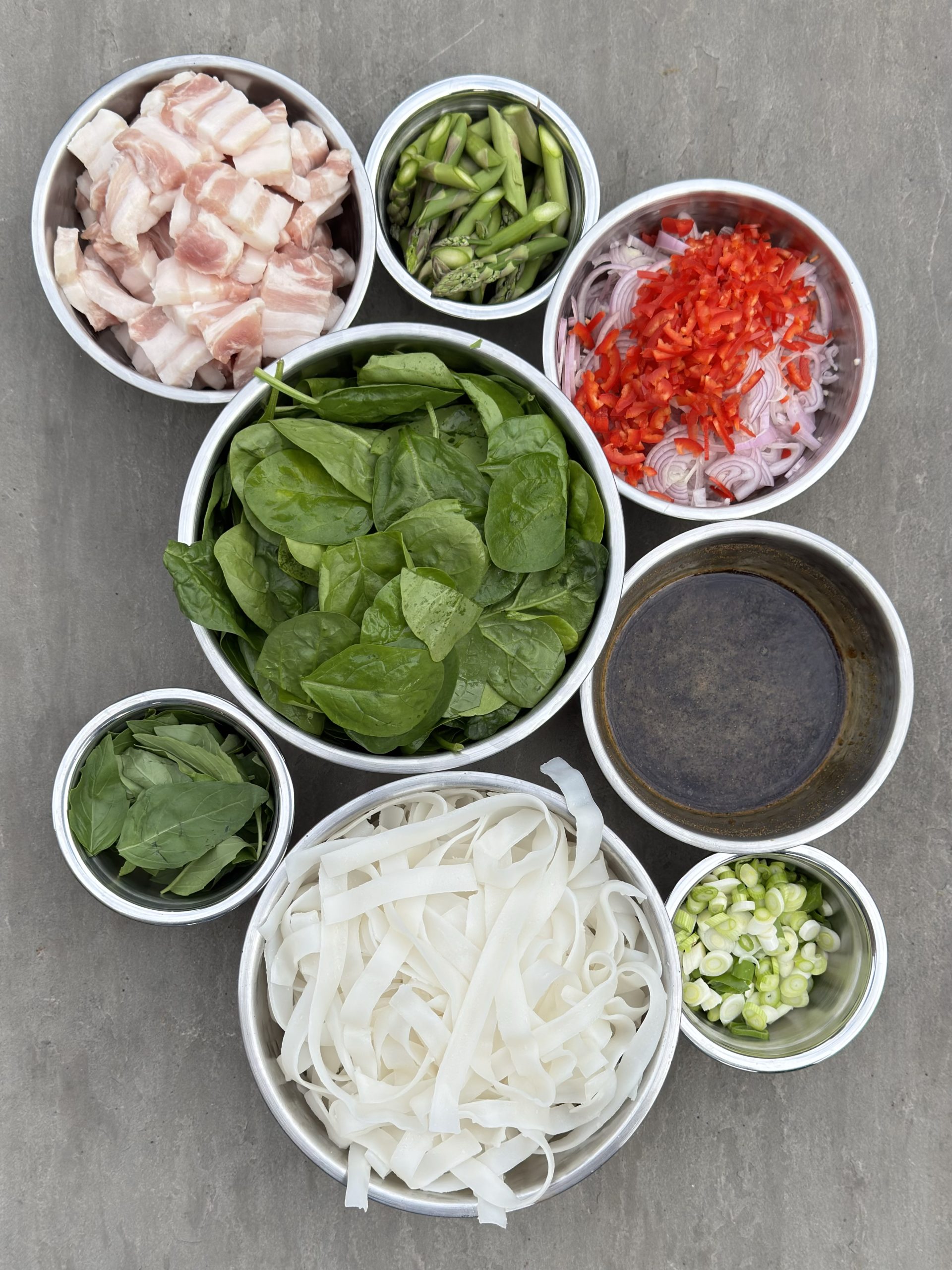
Have the marinated chicken, sauce, peanuts, dried chillies, Sichuan peppercorns, garlic, ginger, and both parts of the spring onion measured and within reach of the wok. This dish cooks in under 3 minutes once the wok is lit and cannot be left to prep mid-cook.
Place a wok over a medium heat. Add the oil and raw peanuts and cook gently, stirring constantly, until golden and fragrant. Remove and set aside. If using already-roasted peanuts, skip this step.
Heat the wok until smoking. Add the neutral oil and swirl to coat. Add the marinated chicken, spreading it into a single layer, and leave untouched for 20 seconds. Stir-fry aggressively for 60–90 seconds, until about 90% cooked through. Remove and set aside.
Return the wok to maximum heat. Add a more oil. Add the dried chillies and Sichuan peppercorns and stir continuously for about 10 seconds — the chillies should darken slightly but never blacken.
Immediately add the ginger, garlic, and white spring onion. Stir-fry for a further 10–15 seconds, until intensely fragrant.
Return the chicken to the wok and toss vigorously for 20 seconds. Give the sauce a final stir so the cornflour distributes and pour it around the edge of the wok. Let it boil hard — it should reduce and coat the chicken within 20–30 seconds.
Add the roasted peanuts and green spring onion and toss rapidly until everything is evenly glazed. Finish with a splash more black vinegar and serve immediately with the steamed rice.
Notes & Substitutions
Dried Sichuan chillies: These are milder in heat than they look — most of their contribution is aroma and colour, not fire. If you can’t find them, dried Thai chillies work as a substitute, though the flavour will be sharper and less smoky.
Sichuan peppercorns: Look for whole, not ground, and check they still smell citrussy and slightly floral — old Sichuan peppercorns lose their numbing quality (known as málà) quickly once ground or exposed to air.
Chinkiang black vinegar: Found in most East Asian supermarkets. It has a deep, slightly smoky sweetness that regular black vinegar or balsamic won’t fully replicate, though balsamic is the closer substitute of the two in a pinch.
Rice: Any good-quality Thai jasmine rice works well here. Avoid pre-washed or “easy cook” varieties if possible — they don’t take up the seasoning from the dish as well and can turn out drier.
You might also like
Kung Pao Chicken
Kung Pao chicken done properly is about controlled heat and speed, not just chillies. Dried Sichuan chillies and whole peppercorns are toasted briefly to release their oils without turning bitter, the chicken gets a hard sear before it ever meets the sauce, and everything comes together in a wok in a few minutes. Serve with properly steamed jasmine rice to soak up the glossy, numbing sauce.
Ingredients
- 450 g Boneless skinless chicken thighs (cut into 1.5–2cm cubes)
- 1 tbsp Light soy sauce
- 1 tbsp Shaoxing wine
- 0.5 tsp Fine sea salt
- 0.25 tsp White pepper
- 1 tsp Cornflour
- 1 tsp Neutral oil
- 75 g Raw peanuts (skinless)
- 1 tbsp Neutral oil
- 12 Dried Sichuan chillies
- 5 cloves Garlic (finely sliced)
- 20 g Fresh ginger (finely sliced)
- 4 Spring onions (white and green parts separated)
- 1 tsp Sichuan peppercorns (whole)
- 1.5 tbsp Chinkiang black vinegar
- 1 tbsp Light soy sauce
- 1 tsp Dark soy sauce
- 1 tbsp Shaoxing wine
- 2 tsp Granulated sugar
- 50 ml Water
- 0.5 tsp Cornflour
- 250 g Thai jasmine rice
- 325 g Water
Equipment
- Carbon steel wok
- Saucepan with tight-fitting lid
- Prep bowls
Method
Marinate the chicken
Cut the chicken into roughly 1.5–2cm cubes. Combine with the light soy sauce, Shaoxing wine, salt, white pepper, cornflour, and oil in a bowl, mixing to coat evenly. Cover and marinate for 20–30 minutes.
For this step: 450 g Boneless skinless chicken thighs, 1 tbsp Light soy sauce, 1 tbsp Shaoxing wine, 0.5 tsp Fine sea salt, 0.25 tsp White pepper, 1 tsp Cornflour, 1 tsp Neutral oil
Cook the rice
Wash the rice in a bowl of cold water, draining off the cloudy water and repeating until the water runs barely cloudy. Transfer the rice to a saucepan with a tight-fitting lid and add the measured water.
Place over a medium-high heat. As soon as it starts to simmer, reduce to the lowest possible heat, cover with the lid, and steam for 12 minutes. Remove from the heat, keeping the lid on, and rest for 10–15 minutes before fluffing with a fork.
For this step: 250 g Thai jasmine rice, 325 g Water
Prepare the sauce
Combine the black vinegar, light soy sauce, dark soy sauce, Shaoxing wine, sugar, water, and cornflour in a small bowl or jug. Mix thoroughly until the sugar and cornflour are fully dissolved, with no lumps remaining. Set aside near the wok.
For this step: 1.5 tbsp Chinkiang black vinegar, 1 tbsp Light soy sauce, 1 tsp Dark soy sauce, 1 tbsp Shaoxing wine, 2 tsp Granulated sugar, 50 ml Water, 0.5 tsp Cornflour
Prepare everything before cooking
Have the marinated chicken, sauce, peanuts, dried chillies, Sichuan peppercorns, garlic, ginger, and both parts of the spring onion measured and within reach of the wok. This dish cooks in under 3 minutes once the wok is lit and cannot be left to prep mid-cook.
For this step: 75 g Raw peanuts, 12 Dried Sichuan chillies, 5 cloves Garlic, 20 g Fresh ginger, 4 Spring onions, 1 tsp Sichuan peppercorns
Roast the peanuts
Place a wok over a medium heat. Add the oil and raw peanuts and cook gently, stirring constantly, until golden and fragrant. Remove and set aside. If using already-roasted peanuts, skip this step.
For this step: 1 tbsp Neutral oil
Sear the chicken
Heat the wok until smoking. Add the neutral oil and swirl to coat. Add the marinated chicken, spreading it into a single layer, and leave untouched for 20 seconds. Stir-fry aggressively for 60–90 seconds, until about 90% cooked through. Remove and set aside.
Toast the chillies and peppercorns
Return the wok to maximum heat. Add a more oil. Add the dried chillies and Sichuan peppercorns and stir continuously for about 10 seconds — the chillies should darken slightly but never blacken.
Immediately add the ginger, garlic, and white spring onion. Stir-fry for a further 10–15 seconds, until intensely fragrant.
Combine and finish
Return the chicken to the wok and toss vigorously for 20 seconds. Give the sauce a final stir so the cornflour distributes and pour it around the edge of the wok. Let it boil hard — it should reduce and coat the chicken within 20–30 seconds.
Add the roasted peanuts and green spring onion and toss rapidly until everything is evenly glazed. Finish with a splash more black vinegar and serve immediately with the steamed rice.
Notes & Substitutions
Dried Sichuan chillies: These are milder in heat than they look — most of their contribution is aroma and colour, not fire. If you can’t find them, dried Thai chillies work as a substitute, though the flavour will be sharper and less smoky.
Sichuan peppercorns: Look for whole, not ground, and check they still smell citrussy and slightly floral — old Sichuan peppercorns lose their numbing quality (known as málà) quickly once ground or exposed to air.
Chinkiang black vinegar: Found in most East Asian supermarkets. It has a deep, slightly smoky sweetness that regular black vinegar or balsamic won’t fully replicate, though balsamic is the closer substitute of the two in a pinch.
Rice: Any good-quality Thai jasmine rice works well here. Avoid pre-washed or “easy cook” varieties if possible — they don’t take up the seasoning from the dish as well and can turn out drier.

Free guide: How to Cook Properly
How to Cook Properly — the 11 principles that turn average into outstanding
Equipment worth having
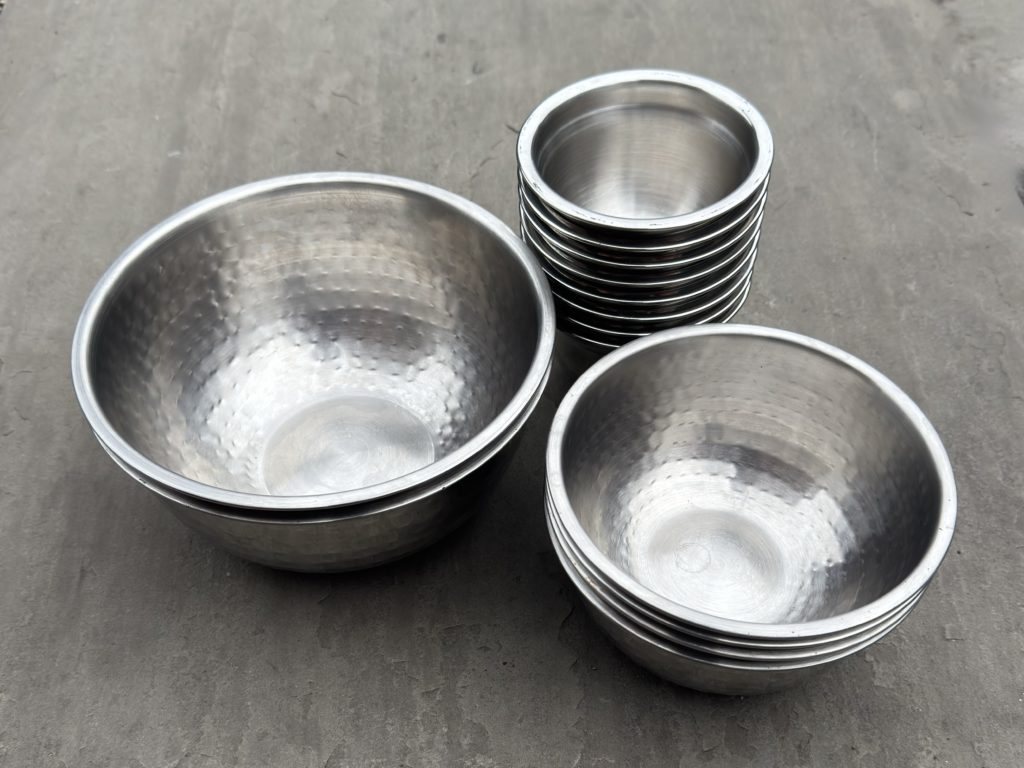
One bowl per ingredient. It sounds simple. It changes everything.
£25-£75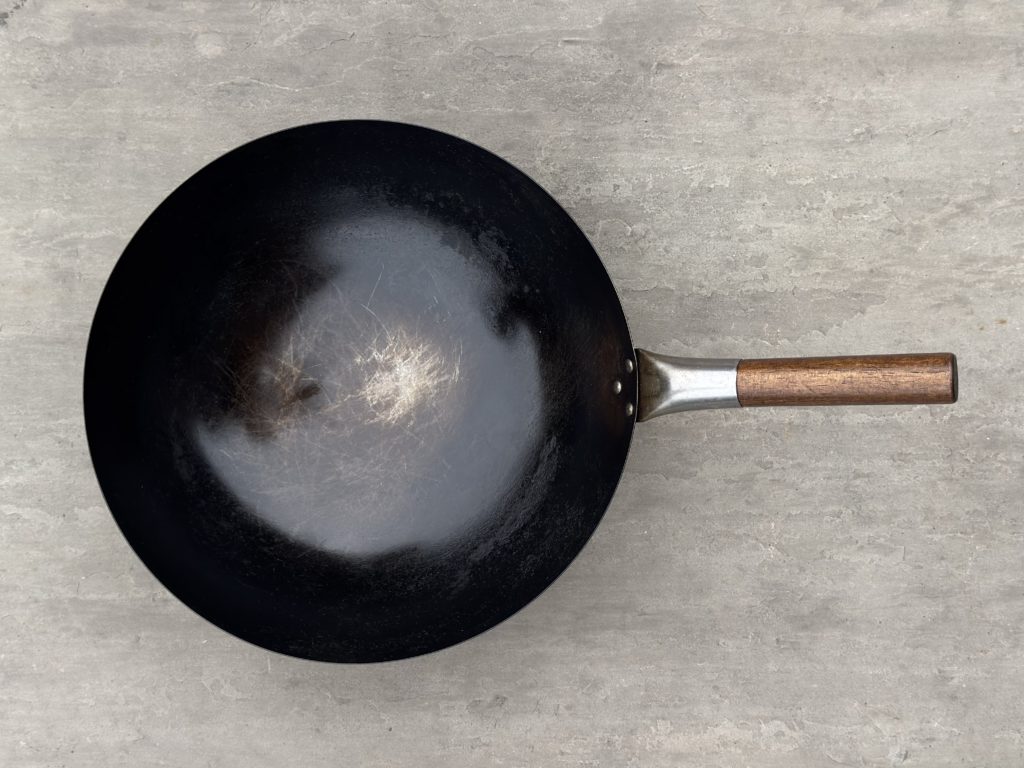
The wok costs £25. The heat underneath it is what you're really paying for.
£10-£25
One bowl per ingredient. It sounds simple. It changes everything.
£25-£75
The wok costs £25. The heat underneath it is what you're really paying for.
£10-£25
One bowl per ingredient. It sounds simple. It changes everything.
£25-£75
The wok costs £25. The heat underneath it is what you're really paying for.
£10-£25
Shape what comes next
Got a recipe you'd love to see, or an idea to make the site better? We read every suggestion.
Log in to suggest