This is a ragu built for the freezer. A large batch of beef and pork mince with diced pork belly and pancetta, braised slowly at 120°C for four and a half hours until everything has collapsed and the sauce has developed the kind of depth that only time produces. A balsamic gastrique goes in at the end to balance the richness without tasting of vinegar. Made once, portioned at 400g per two servings, and frozen — it is the kind of base that makes a weeknight dinner genuinely good.
Ingredients
- 175 g Pancetta, diced into 1cm cubes
- 400 g White onion, finely diced
- 300 g Carrot, finely diced
- 300 g Celery, finely diced
- 4 cloves Garlic, minced
- 10 g Neutral oil
- 2250 g 20%+ fat beef and pork mince
- 700 g Pork belly, skin off, diced into 1cm cubes
- Fine sea salt, to season
- 150 g Tomato purée
- 150 ml Whole milk, first addition
- 500 ml Red wine
- 1000 ml Beef stock
- 800 g Tomato passata
- 2 Bay leaves
- 2 Parmesan rinds, saved from previous recipes — see pro tip
- To finish
- 150 ml Whole milk, second addition
- 30 g Balsamic vinegar
- 30 g Granulated sugar
Equipment
- Large heavy-bottomed casserole or Dutch oven (30cm or larger)
- Wooden spoon or silicone spatula
- Small saucepan
Method
Place the pancetta in a cold, large heavy-bottomed casserole and set over a medium heat. While it renders, finely dice the white onion, carrot, and celery to a consistent size. Cook the pancetta until well rendered and beginning to crisp at the edges — about 8–10 minutes.
Add the white onion, carrot, and celery to the pancetta and its fat. Cook over a medium-low heat, stirring occasionally, until completely softened and translucent — about 15–20 minutes. Add the garlic and cook for a further 2 minutes until fragrant. Remove everything from the casserole with a slotted spoon and set aside in a bowl.
Add the neutral oil to the casserole and heat over high heat. Add the 20%+ fat beef and pork mince. The mince will release a significant amount of moisture — keep the heat high and leave it without stirring until the moisture has fully evaporated and the mince starts to fry rather than steam. Lower the heat to medium. Brown slowly, leaving the mince undisturbed for 5 minutes at a time, then scrape the base of the casserole with a wooden spoon to release the crust. Repeat until the mince is deeply browned and crispy throughout.
Add the diced pork belly to the browned mince and stir to combine. Cook for 2 minutes until warmed through and beginning to colour at the edges. Season generously with fine sea salt.
Add the tomato purée and stir through the meat. Cook over a medium heat for 2–3 minutes, pressing it against the base of the pan, until it darkens and caramelises slightly. Add the first 150ml of whole milk and stir until fully combined. Add the red wine, bring to a simmer, and reduce by half — about 10–15 minutes.
Return the reserved soffritto and pancetta to the casserole. Add the beef stock, tomato passata, bay leaves, and Parmesan rinds. Stir to combine and bring to a gentle simmer. Cover with a lid and place in the oven at 120°C (248°F) fan for 4.5 hours.
About 30 minutes before the ragu comes out of the oven, combine the balsamic vinegar and granulated sugar in a small saucepan over a medium heat. Stir until the sugar has fully dissolved. Remove from the heat and set aside.
Remove the casserole from the oven. Add the second 150ml of whole milk and stir until fully incorporated. Add the gastrique a little at a time, tasting between additions — start with half and adjust from there. Season to taste with fine sea salt. Remove the bay leaves and Parmesan rinds.
Leave to cool, then portion into 400g portions — enough to serve 2 with gnocchi or pasta. Freeze flat in zip-lock bags or in airtight containers.
Notes & Substitutions
Portioning: 400g of finished ragu serves 2 generously with gnocchi or pasta. Freeze flat in zip-lock bags or in lidded containers. Defrost overnight in the fridge and reheat gently in a wide pan before using.
Parmesan rinds: Start saving them from this point forward — every time you finish a block of Parmesan, cut off the rind and add it to a bag in the freezer. They last indefinitely and go straight from frozen into any braise or stock. If you don’t have any for this recipe, the ragu will still be very good.
The mince: 20%+ fat is essential. Lean mince produces a dry, flat ragu regardless of how long it braises. A good butcher can blend beef and pork mince to order — ask for a higher fat content if available.
Beef stock: The better the stock, the better the ragu. See the beef stock recipe if you want to make your own. A good shop-bought reduced stock or bone broth works well. Standard stock cubes produce a thinner result.
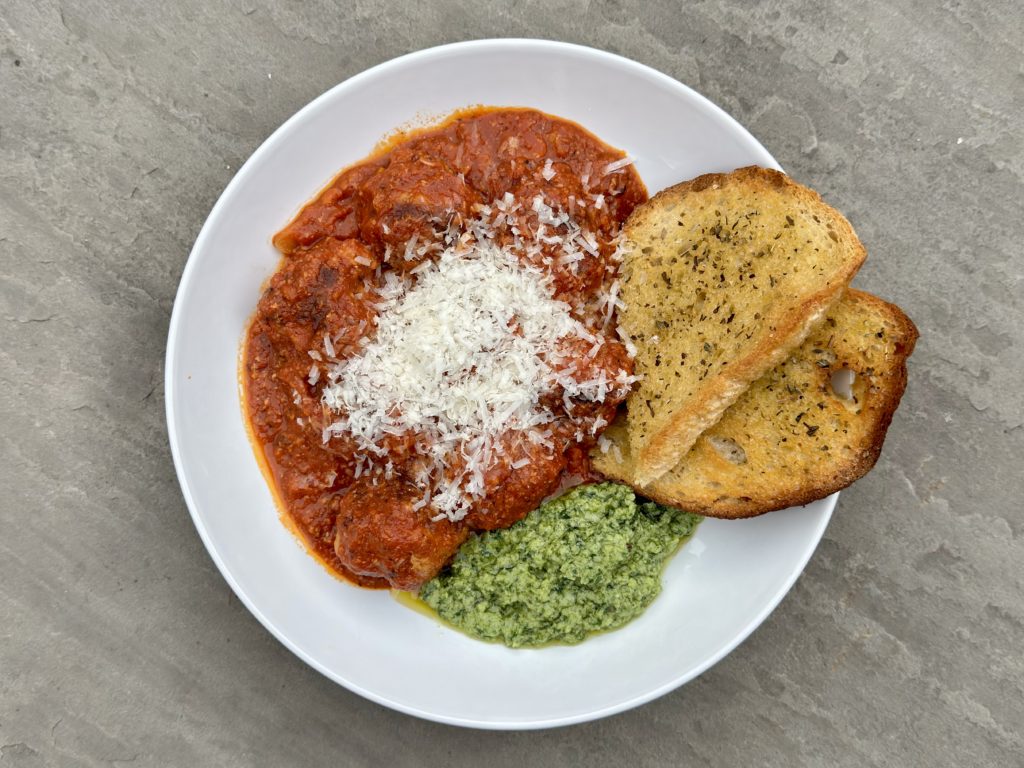
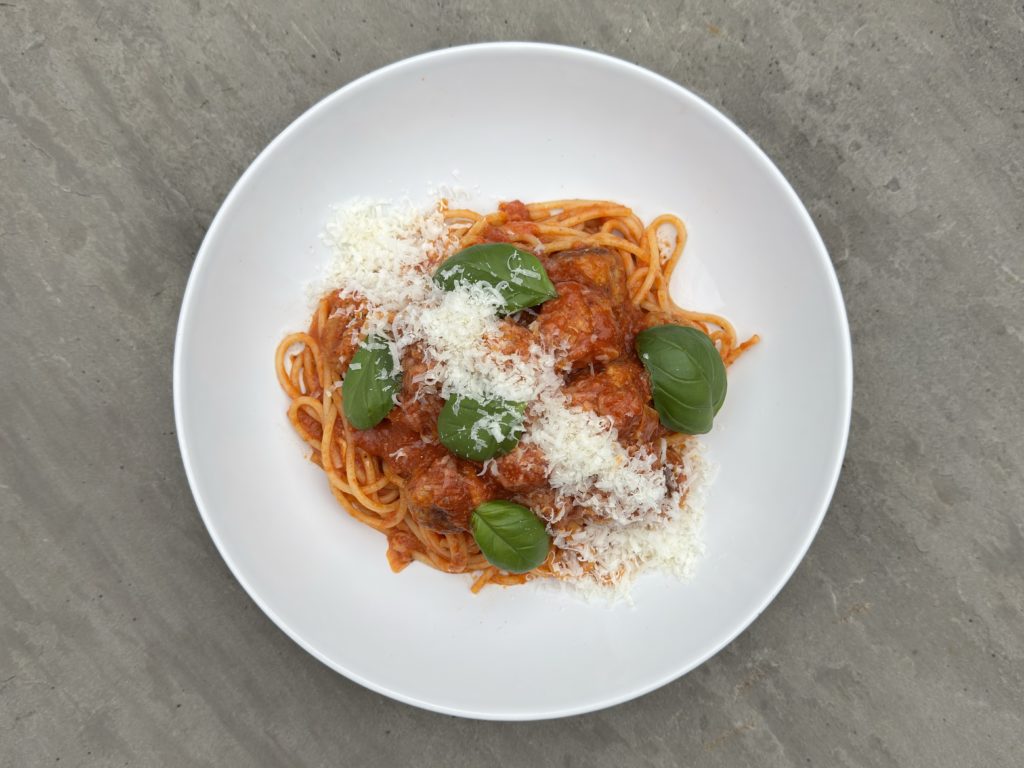
Serving suggestion: See homemade gnocchi with beef and pork ragu for the full dish.
You might also like
Beef and Pork Ragu
This is a ragu built for the freezer. A large batch of beef and pork mince with diced pork belly and pancetta, braised slowly at 120°C for four and a half hours until everything has collapsed and the sauce has developed the kind of depth that only time produces. A balsamic gastrique goes in at the end to balance the richness without tasting of vinegar. Made once, portioned at 400g per two servings, and frozen — it is the kind of base that makes a weeknight dinner genuinely good.
Ingredients
- 175 g Pancetta (diced into 1cm cubes)
- 400 g White onion (finely diced)
- 300 g Carrot (finely diced)
- 300 g Celery (finely diced)
- 4 cloves Garlic (minced)
- 10 g Neutral oil
- 2250 g 20%+ fat beef and pork mince
- 700 g Pork belly (skin off, diced into 1cm cubes)
- Fine sea salt (to season)
- 150 g Tomato purée
- 150 ml Whole milk (first addition)
- 500 ml Red wine
- 1000 ml Beef stock
- 800 g Tomato passata
- 2 Bay leaves
- 2 Parmesan rinds (saved from previous recipes — see pro tip)
- 150 ml Whole milk (second addition)
- 30 g Balsamic vinegar
- 30 g Granulated sugar
Equipment
- Large heavy-bottomed casserole or Dutch oven (30cm or larger)
- Wooden spoon or silicone spatula
- Small saucepan
Method
Render the pancetta
Place the pancetta in a cold, large heavy-bottomed casserole and set over a medium heat. While it renders, finely dice the white onion, carrot, and celery to a consistent size. Cook the pancetta until well rendered and beginning to crisp at the edges — about 8–10 minutes.
For this step: 175 g Pancetta
Cook the soffritto and garlic
Add the white onion, carrot, and celery to the pancetta and its fat. Cook over a medium-low heat, stirring occasionally, until completely softened and translucent — about 15–20 minutes. Add the garlic and cook for a further 2 minutes until fragrant. Remove everything from the casserole with a slotted spoon and set aside in a bowl.
For this step: 400 g White onion, 300 g Carrot, 300 g Celery, 4 cloves Garlic
Brown the mince
Add the neutral oil to the casserole and heat over high heat. Add the 20%+ fat beef and pork mince. The mince will release a significant amount of moisture — keep the heat high and leave it without stirring until the moisture has fully evaporated and the mince starts to fry rather than steam. Lower the heat to medium. Brown slowly, leaving the mince undisturbed for 5 minutes at a time, then scrape the base of the casserole with a wooden spoon to release the crust. Repeat until the mince is deeply browned and crispy throughout.
For this step: 10 g Neutral oil, 2250 g 20%+ fat beef and pork mince
Add the pork belly and season
Add the diced pork belly to the browned mince and stir to combine. Cook for 2 minutes until warmed through and beginning to colour at the edges. Season generously with fine sea salt.
For this step: 700 g Pork belly, Fine sea salt
Build the sauce base
Add the tomato purée and stir through the meat. Cook over a medium heat for 2–3 minutes, pressing it against the base of the pan, until it darkens and caramelises slightly. Add the first 150ml of whole milk and stir until fully combined. Add the red wine, bring to a simmer, and reduce by half — about 10–15 minutes.
For this step: 150 g Tomato purée, 150 ml Whole milk, 500 ml Red wine
Braise in the oven
Return the reserved soffritto and pancetta to the casserole. Add the beef stock, tomato passata, bay leaves, and Parmesan rinds. Stir to combine and bring to a gentle simmer. Cover with a lid and place in the oven at 120°C (248°F) fan for 4.5 hours.
For this step: 1000 ml Beef stock, 800 g Tomato passata, 2 Bay leaves, 2 Parmesan rinds
Make the gastrique
About 30 minutes before the ragu comes out of the oven, combine the balsamic vinegar and granulated sugar in a small saucepan over a medium heat. Stir until the sugar has fully dissolved. Remove from the heat and set aside.
For this step: 30 g Balsamic vinegar, 30 g Granulated sugar
Finish and portion the ragu
Remove the casserole from the oven. Add the second 150ml of whole milk and stir until fully incorporated. Add the gastrique a little at a time, tasting between additions — start with half and adjust from there. Season to taste with fine sea salt. Remove the bay leaves and Parmesan rinds.
Leave to cool, then portion into 400g portions — enough to serve 2 with gnocchi or pasta. Freeze flat in zip-lock bags or in airtight containers.
For this step: 150 ml Whole milk
Notes & Substitutions
Portioning: 400g of finished ragu serves 2 generously with gnocchi or pasta. Freeze flat in zip-lock bags or in lidded containers. Defrost overnight in the fridge and reheat gently in a wide pan before using.
Parmesan rinds: Start saving them from this point forward — every time you finish a block of Parmesan, cut off the rind and add it to a bag in the freezer. They last indefinitely and go straight from frozen into any braise or stock. If you don’t have any for this recipe, the ragu will still be very good.
The mince: 20%+ fat is essential. Lean mince produces a dry, flat ragu regardless of how long it braises. A good butcher can blend beef and pork mince to order — ask for a higher fat content if available.
Beef stock: The better the stock, the better the ragu. See the beef stock recipe if you want to make your own. A good shop-bought reduced stock or bone broth works well. Standard stock cubes produce a thinner result.
Serving suggestion: See homemade gnocchi with beef and pork ragu for the full dish.

Free guide: How to Cook Properly
How to Cook Properly — the 11 principles that turn average into outstanding
Equipment worth having
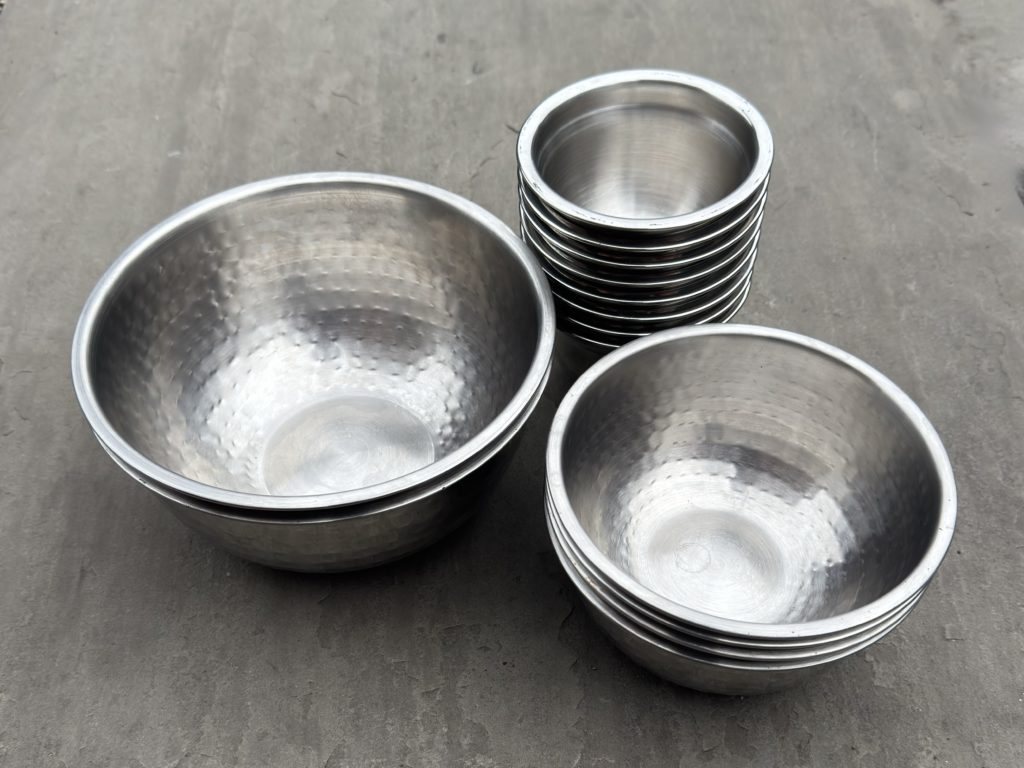
One bowl per ingredient. It sounds simple. It changes everything.
£25-£75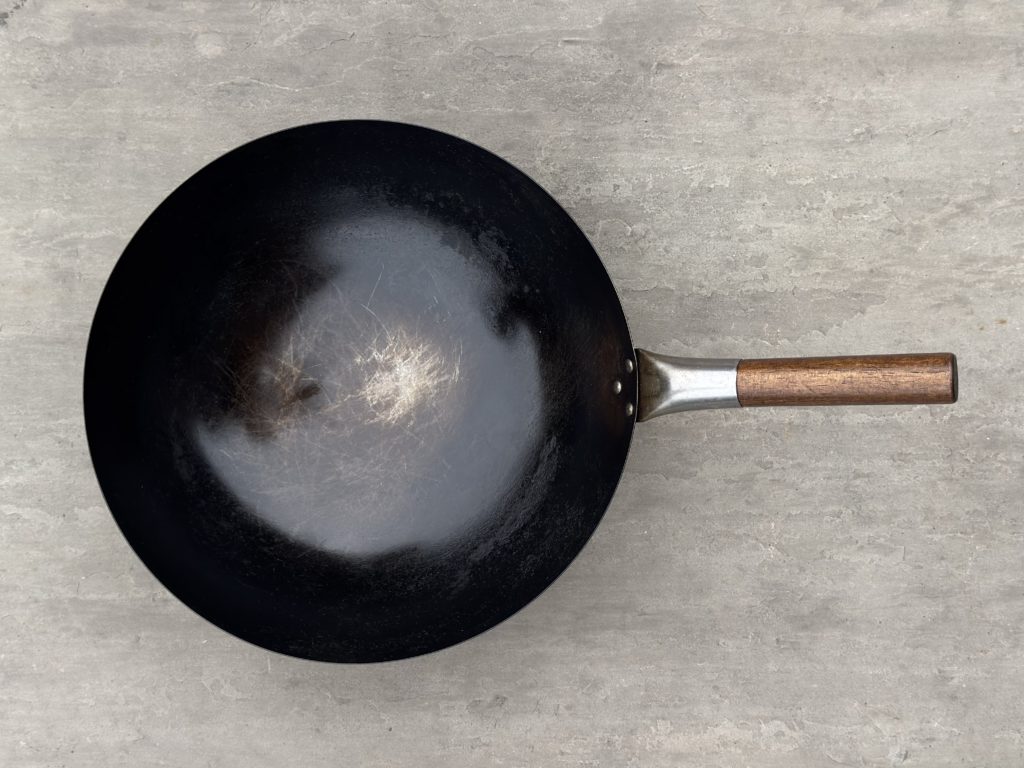
The wok costs £25. The heat underneath it is what you're really paying for.
£10-£25
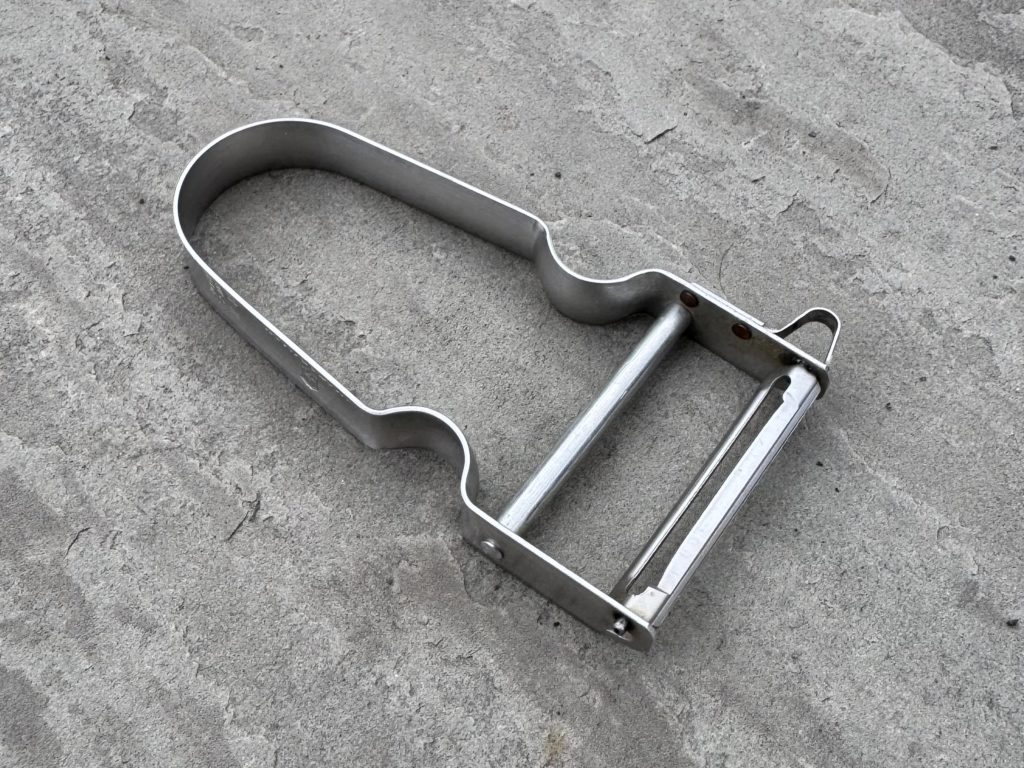
One bowl per ingredient. It sounds simple. It changes everything.
£25-£75
The wok costs £25. The heat underneath it is what you're really paying for.
£10-£25
One bowl per ingredient. It sounds simple. It changes everything.
£25-£75
The wok costs £25. The heat underneath it is what you're really paying for.
£10-£25
Shape what comes next
Got a recipe you'd love to see, or an idea to make the site better? We read every suggestion.
Log in to suggest