Beef chow fun — dry-fried beef ho fun — is one of the great Cantonese wok dishes, and one of the most demanding. Wide rice noodles, velveted beef, bean sprouts and spring onion, seasoned with just enough soy to coat everything without drowning it. The flavour comes from the beef juices, the soy caramelising against the hot wok, and the wok hei that develops when fresh noodles sit against a screaming hot surface. The sauce is almost an afterthought.
It is a dish that rewards a proper setup more than almost anything else. A domestic hob will produce something edible. An outdoor gas wok burner will produce something that tastes like a good Cantonese restaurant.
Ingredients
- Beef and marinade
- 300 g Bavette steak, sliced thinly across the grain
- 1 tbsp (15g) Light soy sauce
- 1 tsp (5g) Shaoxing wine
- 1 tsp (4g) Granulated sugar
- 0.25 tsp (1.5g) Bicarbonate of soda
- 1 tsp (3g) Cornflour
- 1 tsp (5g) Neutral oil
- Noodles and vegetables
- 400 g Ho fun noodles, see notes
- 6 Spring onions, cut into 5cm lengths, white and green portions separated
- 100 g Bean sprouts
- Sauce
- 2 tbsp (30g) Light soy sauce
- 1 tbsp (15g) Dark soy sauce
- 2 tsp (12g) Oyster sauce
- 1 tbsp (15g) Shaoxing wine
- 1 tsp (4g) Granulated sugar
- 0.5 tsp MSG
- 1 tbsp Water
- For cooking
- 4 tbsp (56g) Neutral oil, split across cooking stages
Equipment
- Round bottom wok →
- Wok burner
- Wok spatula
- Prep bowls →
Slice the bavette thinly across the grain into strips. Combine with the light soy sauce, Shaoxing wine, sugar, bicarbonate of soda, cornflour, and neutral oil and mix thoroughly until every strip is coated. Leave to marinate for 30 minutes.
If the noodles are refrigerated, microwave for 60 seconds to warm them through before separating. Carefully pull them apart by hand — they tear easily when cold and the wide noodles need to stay intact. Mix the light soy sauce, dark soy sauce, oyster sauce, Shaoxing wine, sugar, MSG, and water together in a bowl. Separate the spring onion whites from the greens. Get everything within reach of the wok before lighting the burner. See mise en place — this dish moves faster than almost any other once the heat is on.
Heat the wok until smoking. Add a good amount of neutral oil and swirl to coat. Add the marinated beef in a single layer and leave undisturbed for 20–30 seconds. Stir fry for a further 20 seconds — the beef should be around 80% cooked with some colour but still slightly underdone in the centre. Remove immediately and set aside.
Return the wok to maximum heat. Add another glug of neutral oil and the white spring onion sections and stir fry briefly for 15–20 seconds. Add the ho fun noodles and spread them across the wok surface. Leave undisturbed for 20–30 seconds to develop char, then toss gently. Repeat — leave, then toss — until the noodles have lightly charred edges. Keep the movements deliberate and avoid breaking the noodles.
Pour the sauce around the edge of the wok, not directly onto the noodles. Let it sizzle against the hot wok surface for a moment before tossing everything together gently to combine.
Return the beef to the wok. Add the bean sprouts and green spring onion sections and toss gently for 20–30 seconds until everything is combined and the bean sprouts are just warmed through but still crisp. Serve immediately.
Notes & Substitutions
Beef: Bavette is the ideal cut — well-marbled, intensely flavoured, and tender when sliced thinly across the grain. Flank steak is the closest substitute and behaves almost identically. Sirloin works but has less flavour. Whatever you use, slice thinly and always across the grain — with the grain produces chewy, stringy strips that no amount of velveting will fix.
Noodles: Fresh wide rice noodles — ho fun — are essential. They are available in the fridge section of most Asian supermarkets. Dried wide rice noodles work as a substitute but need soaking and cooking before the wok and will not produce the same result. The fresh noodle’s texture and the way it chars against the wok are central to the dish.
The sauce: Use less than you think you need. The flavour of chow fun comes from the beef juices, the soy caramelising on the wok, and the wok hei — not the sauce. The sauce’s job is to season lightly, not to coat heavily. If the noodles taste primarily of sauce rather than beef and wok, there was too much of it.
Wok setup: This dish requires an outdoor gas wok burner. The heat a domestic hob produces is insufficient to develop the wok hei that defines chow fun — the noodles will be pale and soft rather than lightly charred. See how to cook with a wok and the carbon steel wok guide for setup recommendations.
You might also like
Beef Chow Fun
COOKED
PROPERLY
Ingredients
- 300 g Bavette steak (sliced thinly across the grain)
- 1 tbsp Light soy sauce
- 1 tsp Shaoxing wine
- 1 tsp Granulated sugar
- 0.25 tsp Bicarbonate of soda
- 1 tsp Cornflour
- 1 tsp Neutral oil
- 400 g Ho fun noodles (see notes)
- 6 Spring onions (cut into 5cm lengths, white and green portions separated)
- 100 g Bean sprouts
- 2 tbsp Light soy sauce
- 1 tbsp Dark soy sauce
- 2 tsp Oyster sauce
- 1 tbsp Shaoxing wine
- 1 tsp Granulated sugar
- 0.5 tsp MSG
- 1 tbsp Water
- 4 tbsp Neutral oil (split across cooking stages)
Equipment
- Round bottom wok
- Wok burner
- Wok spatula
- Prep bowls
Method
Marinate the beef
300 g Bavette steak · 1 tbsp Light soy sauce · 1 tsp Shaoxing wine · 1 tsp Granulated sugar · 0.25 tsp Bicarbonate of soda · 1 tsp Cornflour · 1 tsp Neutral oil
Slice the bavette thinly across the grain into strips. Combine with the light soy sauce, Shaoxing wine, sugar, bicarbonate of soda, cornflour, and neutral oil and mix thoroughly until every strip is coated. Leave to marinate for 30 minutes.
Prepare the noodles and mise en place
2 tbsp Light soy sauce · 1 tbsp Dark soy sauce · 2 tsp Oyster sauce · 1 tbsp Shaoxing wine · 1 tsp Granulated sugar · 0.5 tsp MSG · 1 tbsp Water
If the noodles are refrigerated, microwave for 60 seconds to warm them through before separating. Carefully pull them apart by hand — they tear easily when cold and the wide noodles need to stay intact. Mix the light soy sauce, dark soy sauce, oyster sauce, Shaoxing wine, sugar, MSG, and water together in a bowl. Separate the spring onion whites from the greens. Get everything within reach of the wok before lighting the burner. See mise en place — this dish moves faster than almost any other once the heat is on.
Noodle separation is one of the most important steps in this dish. Take your time. A torn noodle cannot be repaired once it’s in the wok.
Sear the beef
4 tbsp Neutral oil
Heat the wok until smoking. Add a good amount of neutral oil and swirl to coat. Add the marinated beef in a single layer and leave undisturbed for 20–30 seconds. Stir fry for a further 20 seconds — the beef should be around 80% cooked with some colour but still slightly underdone in the centre. Remove immediately and set aside.
Don’t overcrowd the wok with the beef. Cook in a single layer at maximum heat — crowding drops the temperature and the beef steams rather than sears. If needed, cook in two batches. See how to sear properly for the full reasoning.
Fry the noodles
400 g Ho fun noodles · 6 Spring onions · 4 tbsp Neutral oil
Return the wok to maximum heat. Add another glug of neutral oil and the white spring onion sections and stir fry briefly for 15–20 seconds. Add the ho fun noodles and spread them across the wok surface. Leave undisturbed for 20–30 seconds to develop char, then toss gently. Repeat — leave, then toss — until the noodles have lightly charred edges. Keep the movements deliberate and avoid breaking the noodles.
Gentle tossing is critical here. Wide rice noodles are delicate and tear under rough handling. Use the spatula to lift and fold rather than aggressive stir-fry movement. The noodles should stay in long, intact sheets throughout. See how to cook with a wok for technique guidance.
Add the sauce
Pour the sauce around the edge of the wok, not directly onto the noodles. Let it sizzle against the hot wok surface for a moment before tossing everything together gently to combine.
Finish and serve
6 Spring onions · 100 g Bean sprouts
Return the beef to the wok. Add the bean sprouts and green spring onion sections and toss gently for 20–30 seconds until everything is combined and the bean sprouts are just warmed through but still crisp. Serve immediately.
The finished dish should have no visible sauce pooling at the bottom of the bowl, intact noodles with lightly charred edges, tender beef, and fresh crunchy bean sprouts. If the bowl has a puddle of dark sauce in it, the sauce quantity was too high or the wok wasn’t hot enough to caramelise it properly.
SCAN TO OPEN
Good food, cooked properly.
Proper recipes, intelligent planning, one shopping list.
cookedproperly.com

Free guide: How to Cook Properly
How to Cook Properly — the 11 principles that turn average into outstanding
Equipment worth having
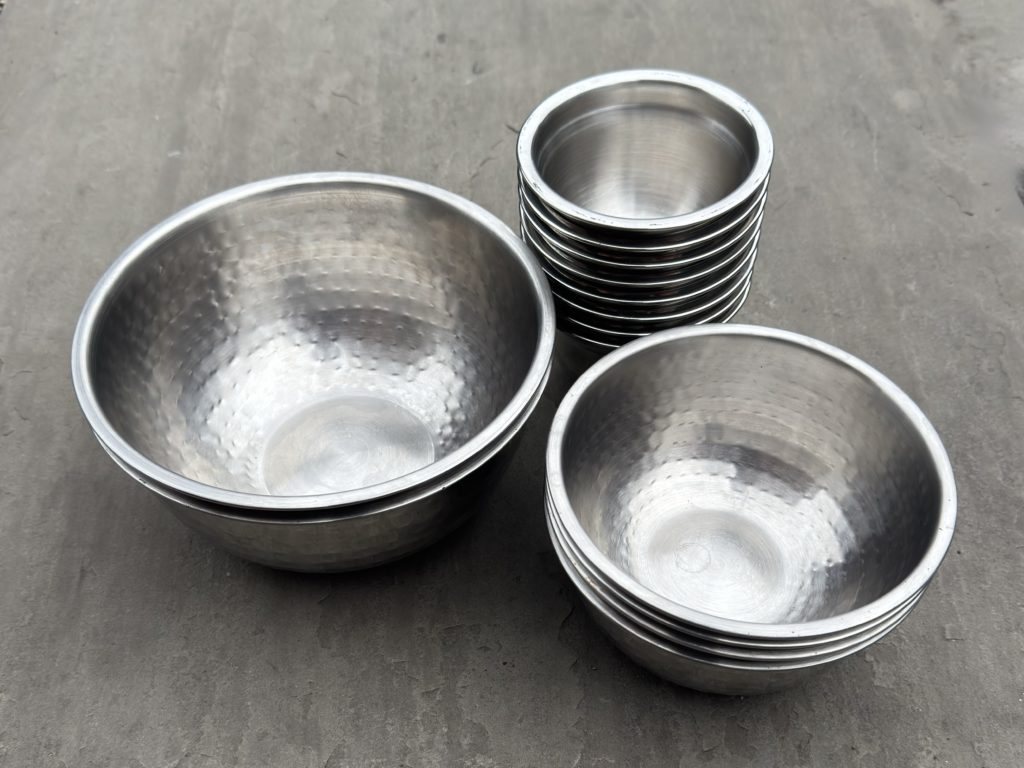
One bowl per ingredient. It sounds simple. It changes everything.
£25-£75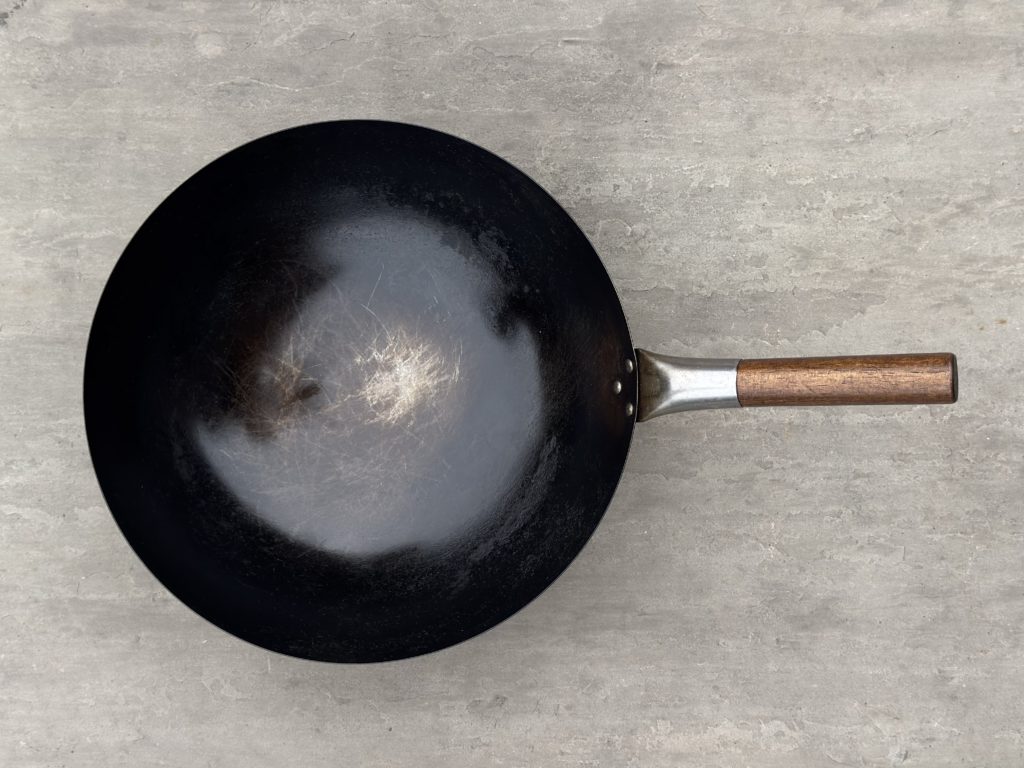
The wok costs £25. The heat underneath it is what you're really paying for.
£10-£25
One bowl per ingredient. It sounds simple. It changes everything.
£25-£75
The wok costs £25. The heat underneath it is what you're really paying for.
£10-£25
One bowl per ingredient. It sounds simple. It changes everything.
£25-£75
The wok costs £25. The heat underneath it is what you're really paying for.
£10-£25
Shape what comes next
Got a recipe you'd love to see, or an idea to make the site better? We read every suggestion.
Log in to suggest