Bangers and mash is one of those dishes that is easy to make and easy to make badly. Watery mash, pale sausages, and a thin gravy from a packet are the version most people know. This is not that version.
The mash is baked, not boiled — drier, more flavourful, and a completely different texture to anything made with a waterlogged boiled potato. The gravy is a proper ale and beef stock reduction built on slowly caramelised onions. The sausages are browned properly. It takes longer than opening a packet, and it is worth every minute.
Ingredients
- Mash
- 600 g Maris Piper potatoes
- 50 g Butter
- 50 g Whole milk
- Gravy
- 1 Red onion, finely sliced
- 1 White onion, finely sliced
- 1 Shallots, finely sliced
- 15 g Butter
- 1 cloves Garlic, minced
- 10 g Tomato purée
- 10 g Worcestershire sauce
- 1 tsp (4g) Dark brown sugar
- 150 ml Ale, see notes
- 250 ml Beef stock, see notes
- Sausages
- 4 Pork sausages
- Tenderstem broccoli
- 200 g Tenderstem broccoli
- 10 g Butter
- 1 cloves Garlic, minced
Equipment
- Drum sieve
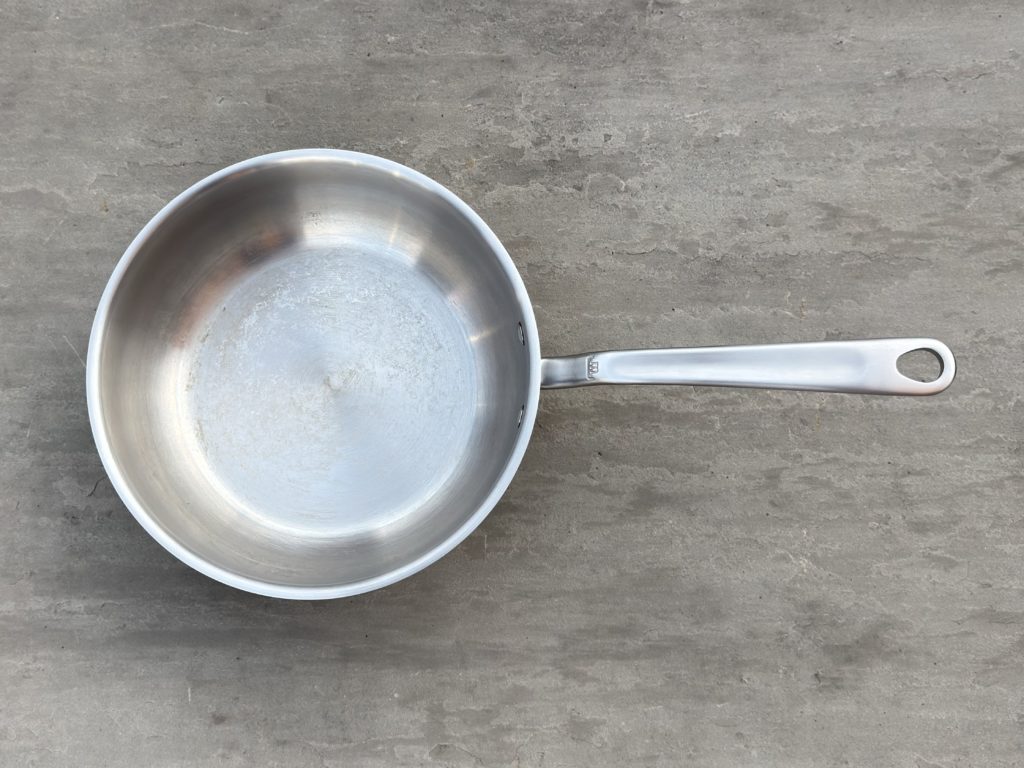
- Saucier or saucepan →
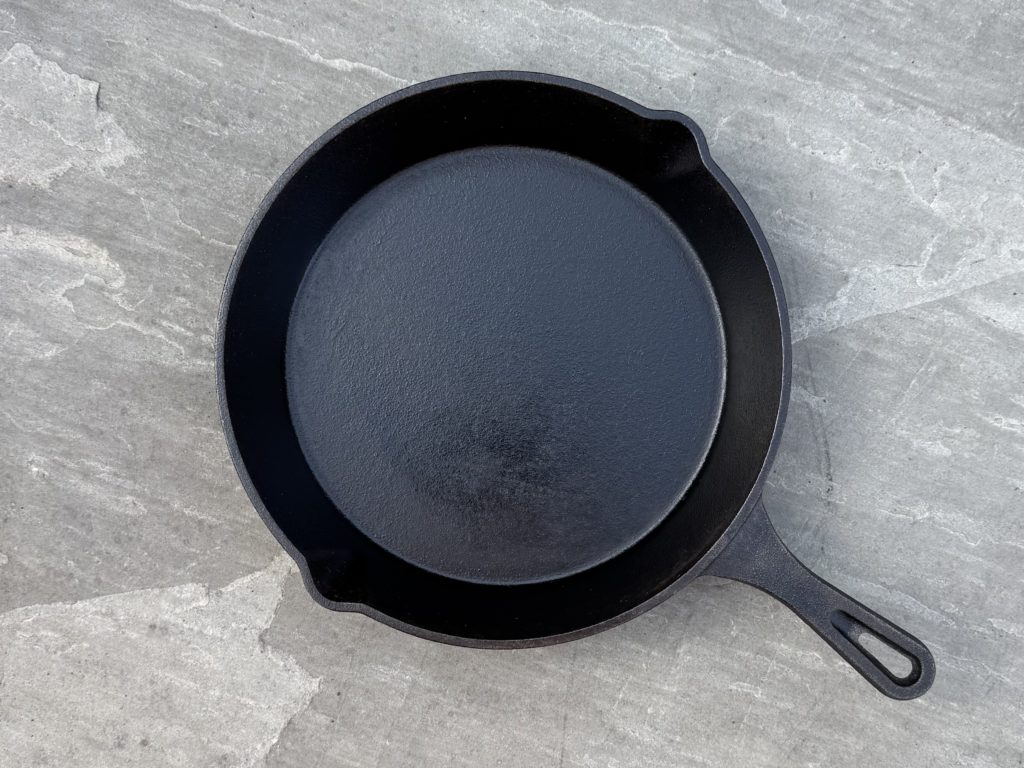
- Frying pan
Method
Stab each potato several times with a fork. Place directly on the oven rack at 200°C (400°F) and bake for 1 hour 20 minutes until the skin is crisp and the inside is completely tender when pierced with a skewer.
Heat a splash of oil and the butter in a wide frying pan over medium-low heat. Add the sliced onions and shallot, season with salt, and cook slowly for 20–30 minutes, stirring occasionally, until golden, soft, and significantly reduced. They should not brown heavily or char — just slowly turn sweet and caramelised.
Add the garlic, tomato purée, Worcestershire sauce, and sugar to the onions. Stir and cook for 2 minutes until the tomato purée has darkened slightly and everything is well combined.
Pour in the ale and stir to combine, scraping up any fond from the base of the pan. Reduce by half, then add the beef stock and stir to combine. Leave to simmer gently until everything else is ready — the longer it simmers, the better it gets.
Start the sausages around 5 minutes before the potatoes are due out of the oven. Cook in a frying pan over medium heat, turning regularly until deeply browned all over and cooked to 71°C (160°F) internal temperature.
When the potatoes come out of the oven, slice them in half and scoop the flesh away from the skin. Working in batches, press the flesh through a fine sieve using the back of a large spoon or a plastic scraper — push and press in sections, working the potato through with steady, direct pressure rather than stirring or mashing. Take your time and keep the motion consistent.
Transfer the passed potato to a saucepan over low heat. Add the butter and milk and fold gently to combine until smooth, melted, and glossy. Season generously with fine sea salt — taste, add more, taste again. It will take more than you expect.
Place the tenderstem in a wide frying pan over medium-high heat. Add a splash of water and cover with a lid for 2–3 minutes to steam. Remove the lid, season, add the butter and garlic and fry for a further 2 minutes until the butter is foaming and the broccoli has some colour.
Spoon the mash onto warmed plates, rest the sausages alongside and spoon the gravy generously over both. Add the tenderstem to the plate and serve immediately.
Notes & Substitutions
Beef stock: The quality of the stock makes a significant difference to the gravy. A good reduced beef stock or demi-glace will give it real body and depth. Standard supermarket stock works but produces a thinner result. See the beef stock recipe if you want to make your own.
Mash variations: A teaspoon of wholegrain or Dijon mustard folded into the finished mash works well with sausages — it adds a gentle heat and sharpness that cuts through the richness of the gravy. A handful of finely chopped chives stirred through at the end is the other classic addition.
Potato skin crisps: Don’t discard the skins. Tear them into rough pieces and either toss in oil and roast at 200°C (400°F) until crisp and golden, or deep fry and season immediately with fine salt. They are excellent alongside the finished dish and would otherwise go in the bin. Worth the two minutes it takes.
Sausages: Use the best you can find — a good butcher’s sausage with a high meat content will brown better and shrink less than a supermarket sausage with a lot of filler. Cumberland, Lincolnshire, or a good pork and herb are all well suited to this dish.
Ale: A British bitter or brown ale works well — something malty rather than hoppy. Avoid very heavily hopped IPAs, which can make the gravy bitter.
You might also like
Bangers and Mash
Bangers and mash is one of those dishes that is easy to make and easy to make badly. Watery mash, pale sausages, and a thin gravy from a packet are the version most people know. This is not that version.
The mash is baked, not boiled — drier, more flavourful, and a completely different texture to anything made with a waterlogged boiled potato. The gravy is a proper ale and beef stock reduction built on slowly caramelised onions. The sausages are browned properly. It takes longer than opening a packet, and it is worth every minute.
Ingredients
- 600 g Maris Piper potatoes
- 50 g Butter
- 50 g Whole milk
- 1 Red onion (finely sliced)
- 1 White onion (finely sliced)
- 1 Shallots (finely sliced)
- 15 g Butter
- 1 cloves Garlic (minced)
- 10 g Tomato purée
- 10 g Worcestershire sauce
- 1 tsp Dark brown sugar
- 150 ml Ale (see notes)
- 250 ml Beef stock (see notes)
- 4 Pork sausages
- 200 g Tenderstem broccoli
- 10 g Butter
- 1 cloves Garlic (minced)
Equipment
- Drum sieve
- Saucier or saucepan
- Frying pan
Method
Bake the potatoes
Stab each potato several times with a fork. Place directly on the oven rack at 200°C (400°F) and bake for 1 hour 20 minutes until the skin is crisp and the inside is completely tender when pierced with a skewer.
For this step: 600 g Maris Piper potatoes
Caramelise the onions
Heat a splash of oil and the butter in a wide frying pan over medium-low heat. Add the sliced onions and shallot, season with salt, and cook slowly for 20–30 minutes, stirring occasionally, until golden, soft, and significantly reduced. They should not brown heavily or char — just slowly turn sweet and caramelised.
For this step: 1 Red onion, 1 White onion, 1 Shallots, 15 g Butter
Build the gravy base
Add the garlic, tomato purée, Worcestershire sauce, and sugar to the onions. Stir and cook for 2 minutes until the tomato purée has darkened slightly and everything is well combined.
For this step: 1 cloves Garlic, 10 g Tomato purée, 10 g Worcestershire sauce, 1 tsp Dark brown sugar
Add the ale and stock
Pour in the ale and stir to combine, scraping up any fond from the base of the pan. Reduce by half, then add the beef stock and stir to combine. Leave to simmer gently until everything else is ready — the longer it simmers, the better it gets.
For this step: 150 ml Ale, 250 ml Beef stock
Cook the sausages
Start the sausages around 5 minutes before the potatoes are due out of the oven. Cook in a frying pan over medium heat, turning regularly until deeply browned all over and cooked to 71°C (160°F) internal temperature.
For this step: 4 Pork sausages
Scoop and pass the potatoes
When the potatoes come out of the oven, slice them in half and scoop the flesh away from the skin. Working in batches, press the flesh through a fine sieve using the back of a large spoon or a plastic scraper — push and press in sections, working the potato through with steady, direct pressure rather than stirring or mashing. Take your time and keep the motion consistent.
Finish the mash
Transfer the passed potato to a saucepan over low heat. Add the butter and milk and fold gently to combine until smooth, melted, and glossy. Season generously with fine sea salt — taste, add more, taste again. It will take more than you expect.
For this step: 50 g Butter, 50 g Whole milk
Cook the tenderstem broccoli
Place the tenderstem in a wide frying pan over medium-high heat. Add a splash of water and cover with a lid for 2–3 minutes to steam. Remove the lid, season, add the butter and garlic and fry for a further 2 minutes until the butter is foaming and the broccoli has some colour.
For this step: 200 g Tenderstem broccoli, 10 g Butter, 1 cloves Garlic
Plate up
Spoon the mash onto warmed plates, rest the sausages alongside and spoon the gravy generously over both. Add the tenderstem to the plate and serve immediately.
Notes & Substitutions
Beef stock: The quality of the stock makes a significant difference to the gravy. A good reduced beef stock or demi-glace will give it real body and depth. Standard supermarket stock works but produces a thinner result. See the beef stock recipe if you want to make your own.
Mash variations: A teaspoon of wholegrain or Dijon mustard folded into the finished mash works well with sausages — it adds a gentle heat and sharpness that cuts through the richness of the gravy. A handful of finely chopped chives stirred through at the end is the other classic addition.
Potato skin crisps: Don’t discard the skins. Tear them into rough pieces and either toss in oil and roast at 200°C (400°F) until crisp and golden, or deep fry and season immediately with fine salt. They are excellent alongside the finished dish and would otherwise go in the bin. Worth the two minutes it takes.
Sausages: Use the best you can find — a good butcher’s sausage with a high meat content will brown better and shrink less than a supermarket sausage with a lot of filler. Cumberland, Lincolnshire, or a good pork and herb are all well suited to this dish.
Ale: A British bitter or brown ale works well — something malty rather than hoppy. Avoid very heavily hopped IPAs, which can make the gravy bitter.

Free guide: How to Cook Properly
How to Cook Properly — the 11 principles that turn average into outstanding
Equipment worth having

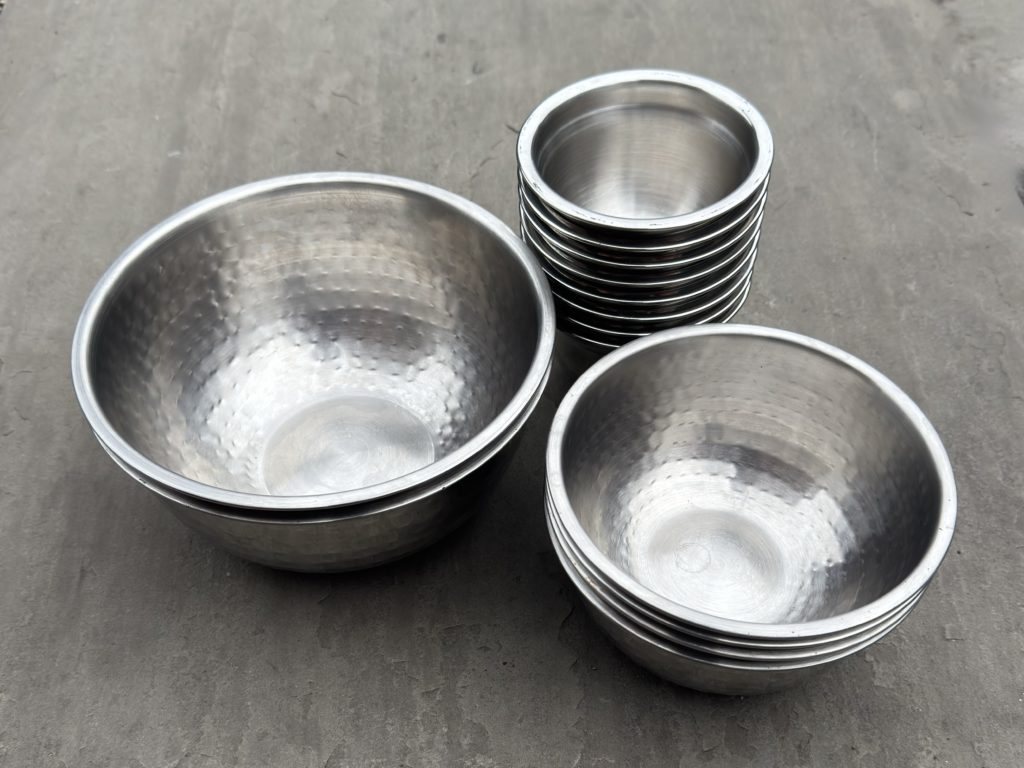
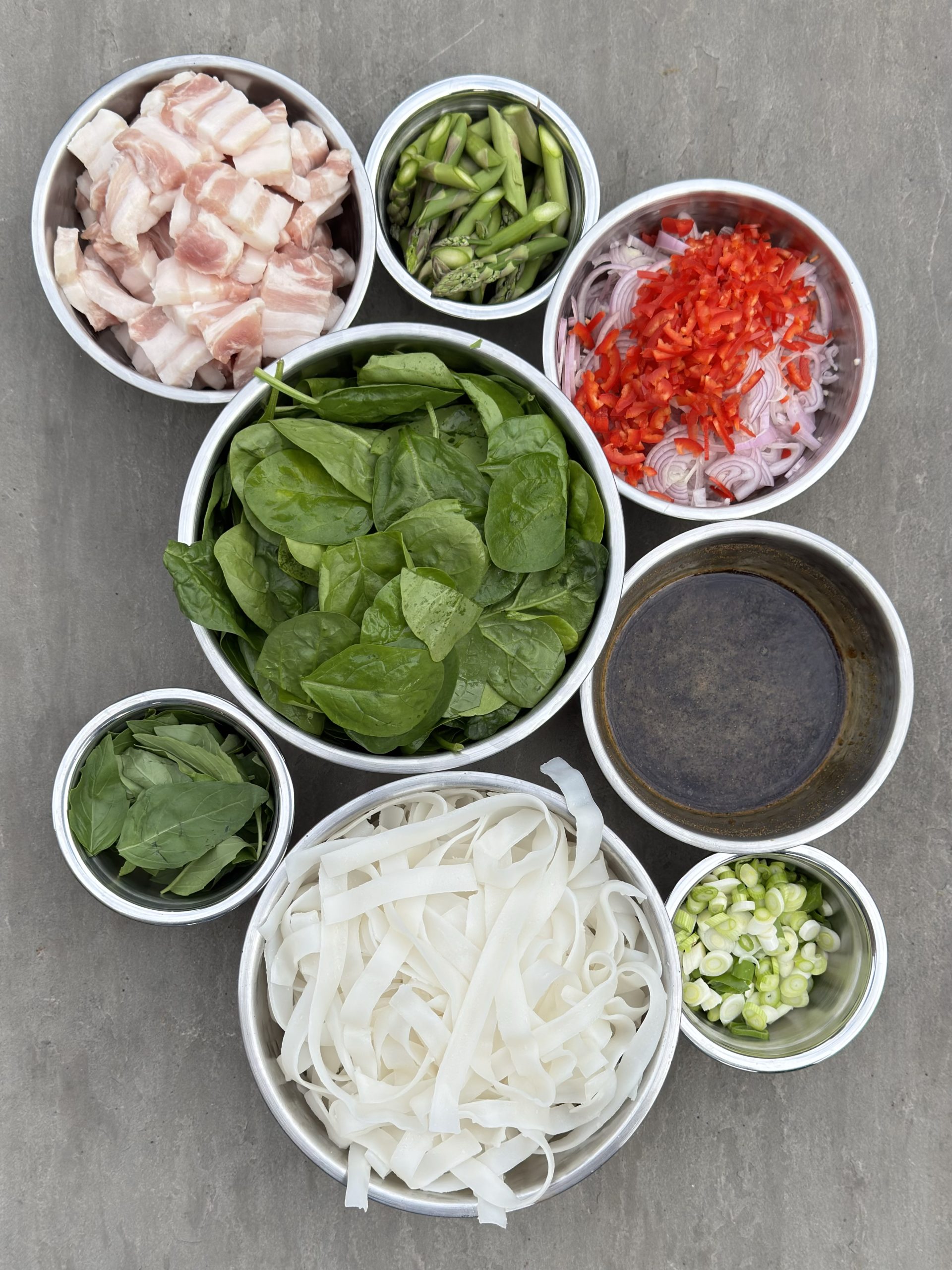
One bowl per ingredient. It sounds simple. It changes everything.
£25-£75
One bowl per ingredient. It sounds simple. It changes everything.
£25-£75
One bowl per ingredient. It sounds simple. It changes everything.
£25-£75Shape what comes next
Got a recipe you'd love to see, or an idea to make the site better? We read every suggestion.
Log in to suggest