Korean fried chicken — yangnyeom chicken — is a different thing from Western fried chicken. The coating is thinner and crispier, the double fry technique produces a crust that stays audibly crisp long after it leaves the oil, and the sauce is sticky, spicy, and slightly sweet in a way that coats every piece without softening the crust underneath.
The double fry is the technique that makes it work. The first fry cooks the chicken through at a lower temperature. The second fry, at a higher temperature and much shorter time, drives off the remaining moisture in the coating and produces the crust. Skip the second fry and you have decent fried chicken. Do it and you have something noticeably better.
Ingredients
- Chicken
- 400 g Boneless skinless chicken thighs, trimmed, cut into 4cm pieces
- 5 g Fine sea salt
- 0.5 tsp White pepper
- 0.5 tbsp (7.5g) Shaoxing wine
- 2 cloves Garlic, finely minced
- 5 g Fresh ginger, finely grated
- 70 g Potato starch
- 20 g Cornflour
- 0.5 tsp (2.5g) Baking powder
- 1500 g Neutral deep frying oil
- Sauce
- 0.5 tbsp (7g) Neutral oil
- 1 cloves Garlic, finely minced
- 0.5 tbsp (9g) Gochujang
- 0.5 tbsp Gochugaru
- 1.5 tbsp (32g) Honey
- 1 tbsp (15g) Light soy sauce
- 1 tbsp (17g) Tomato ketchup
- 0.5 tbsp (7.5g) Rice vinegar
- 0.5 tbsp (7g) Dark brown sugar
- 25 g Water
- Garnish
- 2 tsp (6g) Toasted sesame seeds
- 1 Spring onions, finely sliced
- For the rice
- 250 g Thai jasmine rice
- 325 g Water
Equipment
- Heavy-bottomed casserole or deep fryer
- Wire rack
- Oil thermometer
Trim any excess fat from the chicken thighs and cut into roughly 4cm pieces. Combine with the fine sea salt, white pepper, Shaoxing wine, garlic, and ginger, mix thoroughly until every piece is coated, and leave to marinate for 30–60 minutes.
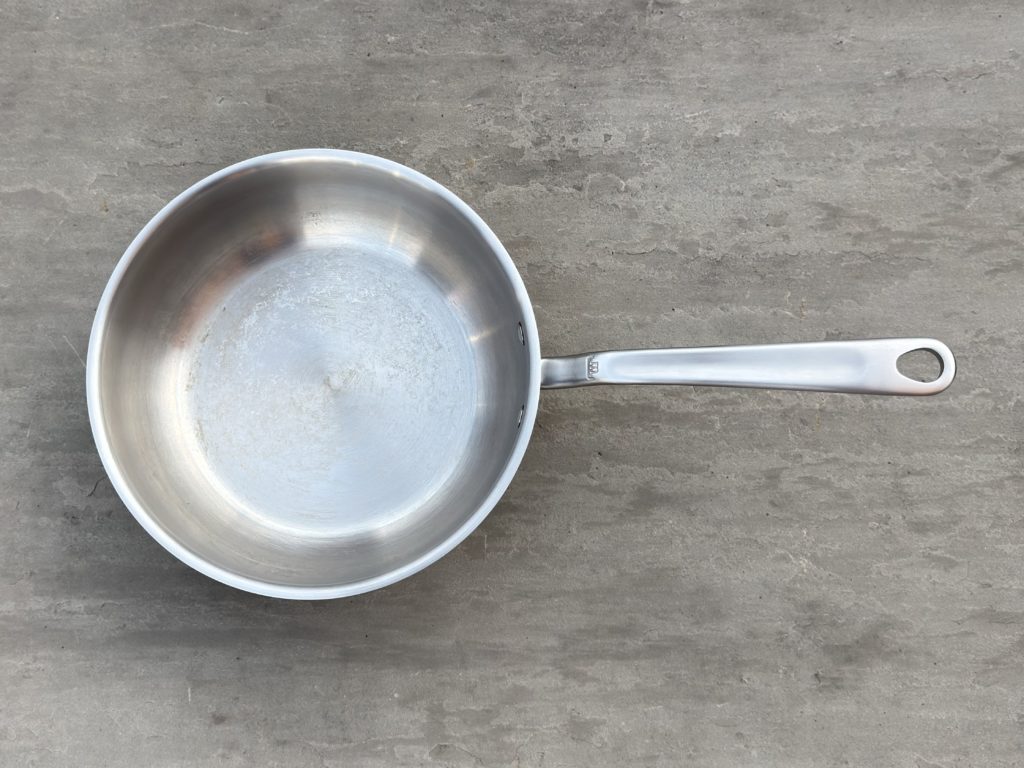
While the chicken marinates, heat a small saucepan over medium heat. Add the neutral oil and garlic and cook for 30 seconds until fragrant. Add the gochujang, gochugaru, honey, light soy sauce, ketchup, rice vinegar, dark brown sugar, and water and stir to combine. Simmer for 2–3 minutes until glossy and just coating a spoon — it should be loose enough to lacquer the chicken, not thick enough to clump on it. Set aside and reheat briefly before tossing with the chicken.
Wash the Thai jasmine rice in a bowl of cold water, draining off the cloudy water and repeating until the water runs barely cloudy. Transfer to a saucepan with a tight-fitting lid and add the measured water.
Place over a medium-high heat. As soon as it starts to simmer, reduce to the lowest possible heat, cover with the lid, and steam for 12 minutes. Remove from the heat, keeping the lid on, and rest for 10–15 minutes before fluffing with a fork.
Combine the potato starch, cornflour, and baking powder in a bowl. Add the marinated chicken and toss thoroughly until every piece is well coated — the coating should look uneven and slightly rough rather than smooth. Leave to rest for 10 minutes before frying.
Heat the oil to 165°C (330°F) in a large heavy-bottomed casserole or deep fryer. Fry the chicken in batches — don’t overcrowd — for 4–5 minutes until cooked through and pale golden. The crust should be set but not deeply coloured. Remove to a wire rack and rest for 10 minutes.
Raise the oil temperature to 190°C (375°F). Fry the rested chicken in batches for 90 seconds to 2 minutes until deeply golden and audibly crisp. Drain thoroughly on a wire rack.
Transfer the hot chicken to a large bowl. Reheat the sauce briefly if needed and pour over the chicken. Toss rapidly until every piece is lightly and evenly lacquered.
Spoon the jasmine rice into warmed bowls and pile the sauced chicken alongside. Scatter over the toasted sesame seeds and spring onion and serve immediately.
Notes & Substitutions
Shaoxing wine: A Chinese rice wine that adds depth and a subtle complexity to the marinade. Available in Asian supermarkets. If you can’t find it, rice vinegar works as a substitute — the flavour will be slightly sharper and less rounded, but still good.
Gochujang and gochugaru: Both available in Korean supermarkets and increasingly in larger Asian supermarkets. Gochujang is a fermented chilli paste — deep, slightly sweet, and complex. Gochugaru is dried Korean chilli flakes — brighter and more straightforwardly spicy. Both are worth having in the fridge or cupboard if you cook Korean food regularly.
Oil depth: The oil should come at least 8–10cm up the sides of the pan before the chicken goes in. Too shallow and the chicken sits in the oil rather than submerging, which means uneven cooking and poor crust development.
Chicken thighs: Boneless skinless thighs are the right choice here — they stay juicy through the double fry in a way that breast meat doesn’t. See how to cook chicken to temperature for more on why thighs are more forgiving than breast.
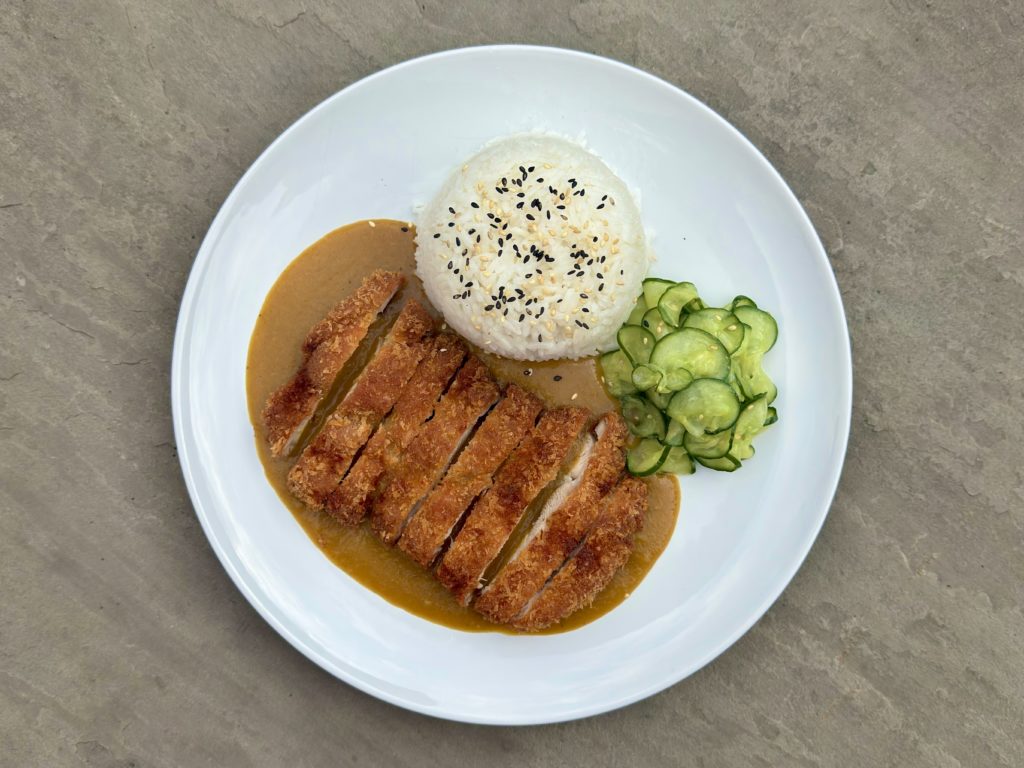
Serving suggestion: The Thai cucumber salad works particularly well alongside — the sharpness and crunch cuts through the richness of the gochujang sauce.
You might also like
Korean Fried Chicken
COOKED
PROPERLY
Ingredients
- 400 g Boneless skinless chicken thighs (trimmed, cut into 4cm pieces)
- 5 g Fine sea salt
- 0.5 tsp White pepper
- 0.5 tbsp Shaoxing wine
- 2 cloves Garlic (finely minced)
- 5 g Fresh ginger (finely grated)
- 70 g Potato starch
- 20 g Cornflour
- 0.5 tsp Baking powder
- 1500 g Neutral deep frying oil
- 0.5 tbsp Neutral oil
- 1 cloves Garlic (finely minced)
- 0.5 tbsp Gochujang
- 0.5 tbsp Gochugaru
- 1.5 tbsp Honey
- 1 tbsp Light soy sauce
- 1 tbsp Tomato ketchup
- 0.5 tbsp Rice vinegar
- 0.5 tbsp Dark brown sugar
- 25 g Water
- 2 tsp Toasted sesame seeds
- 1 Spring onions (finely sliced)
- 250 g Thai jasmine rice
- 325 g Water
Equipment
- Heavy-bottomed casserole or deep fryer
- Wire rack
- Oil thermometer
Method
Marinate the chicken
400 g Boneless skinless chicken thighs · 5 g Fine sea salt · 0.5 tsp White pepper · 0.5 tbsp Shaoxing wine · 2 cloves Garlic · 5 g Fresh ginger
Trim any excess fat from the chicken thighs and cut into roughly 4cm pieces. Combine with the fine sea salt, white pepper, Shaoxing wine, garlic, and ginger, mix thoroughly until every piece is coated, and leave to marinate for 30–60 minutes.
Make the sauce
0.5 tbsp Neutral oil · 1 cloves Garlic · 0.5 tbsp Gochujang · 0.5 tbsp Gochugaru · 1.5 tbsp Honey · 1 tbsp Light soy sauce · 1 tbsp Tomato ketchup · 0.5 tbsp Rice vinegar · 0.5 tbsp Dark brown sugar · 25 g Water
While the chicken marinates, heat a small saucepan over medium heat. Add the neutral oil and garlic and cook for 30 seconds until fragrant. Add the gochujang, gochugaru, honey, light soy sauce, ketchup, rice vinegar, dark brown sugar, and water and stir to combine. Simmer for 2–3 minutes until glossy and just coating a spoon — it should be loose enough to lacquer the chicken, not thick enough to clump on it. Set aside and reheat briefly before tossing with the chicken.
The sauce should be thinner than you think. A sauce that’s too thick will sit heavily on the coating and soften it within minutes of serving. Aim for something that coats a spoon lightly and runs off slowly — it will cling to the chicken without weighing it down.
Cook the rice
250 g Thai jasmine rice · 325 g Water
Wash the Thai jasmine rice in a bowl of cold water, draining off the cloudy water and repeating until the water runs barely cloudy. Transfer to a saucepan with a tight-fitting lid and add the measured water.
Place over a medium-high heat. As soon as it starts to simmer, reduce to the lowest possible heat, cover with the lid, and steam for 12 minutes. Remove from the heat, keeping the lid on, and rest for 10–15 minutes before fluffing with a fork.
Coat the chicken
70 g Potato starch · 20 g Cornflour · 0.5 tsp Baking powder
Combine the potato starch, cornflour, and baking powder in a bowl. Add the marinated chicken and toss thoroughly until every piece is well coated — the coating should look uneven and slightly rough rather than smooth. Leave to rest for 10 minutes before frying.
Potato starch produces a lighter, crispier crust than plain flour or cornflour alone. The cornflour adds structure and the baking powder creates tiny air pockets in the crust during frying. All three play a specific role — don’t substitute plain flour for the potato starch.
First fry
1500 g Neutral deep frying oil
Heat the oil to 165°C (330°F) in a large heavy-bottomed casserole or deep fryer. Fry the chicken in batches — don’t overcrowd — for 4–5 minutes until cooked through and pale golden. The crust should be set but not deeply coloured. Remove to a wire rack and rest for 10 minutes.
Fry in small batches. Adding too much chicken at once drops the oil temperature sharply and the coating absorbs oil rather than crisping. Let the oil recover to 165°C (330°F) between batches.
Second fry
Raise the oil temperature to 190°C (375°F). Fry the rested chicken in batches for 90 seconds to 2 minutes until deeply golden and audibly crisp. Drain thoroughly on a wire rack.
Sauce and serve
Transfer the hot chicken to a large bowl. Reheat the sauce briefly if needed and pour over the chicken. Toss rapidly until every piece is lightly and evenly lacquered.
Serve immediately. The crust is at its best the moment it leaves the bowl — every minute it sits the sauce softens it slightly. Korean fried chicken is not a dish that holds.
Serve
2 tsp Toasted sesame seeds · 1 Spring onions
Spoon the jasmine rice into warmed bowls and pile the sauced chicken alongside. Scatter over the toasted sesame seeds and spring onion and serve immediately.
SCAN TO OPEN
Good food, cooked properly.
Proper recipes, intelligent planning, one shopping list.
cookedproperly.com

Free guide: How to Cook Properly
How to Cook Properly — the 11 principles that turn average into outstanding
Equipment worth having
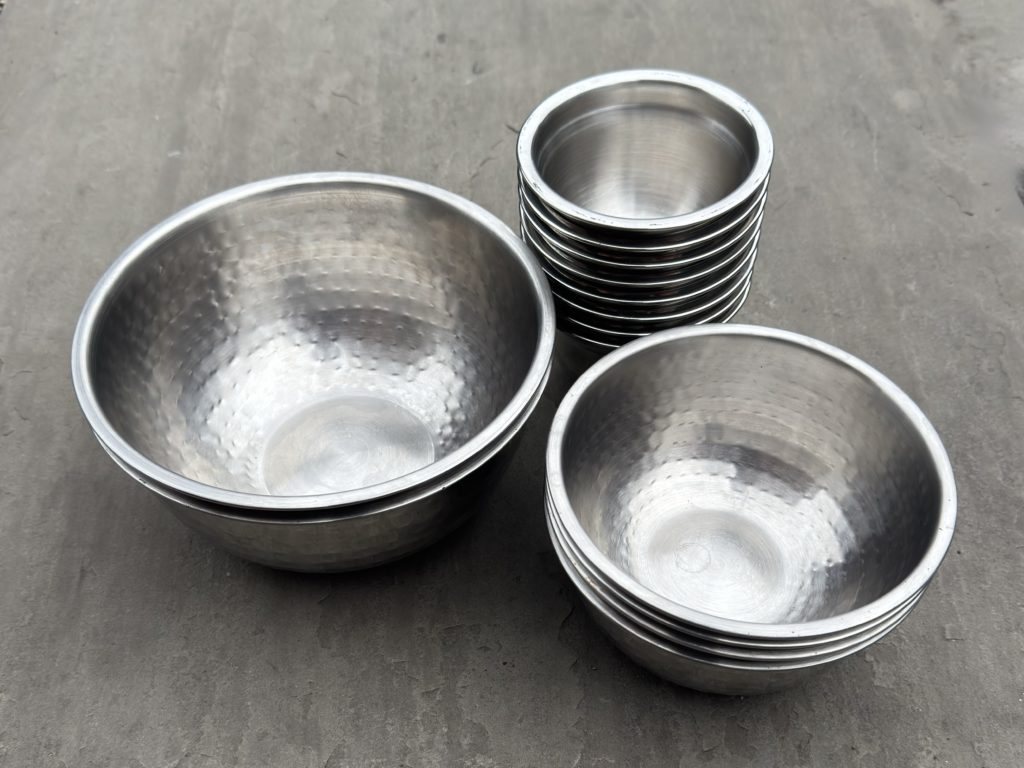
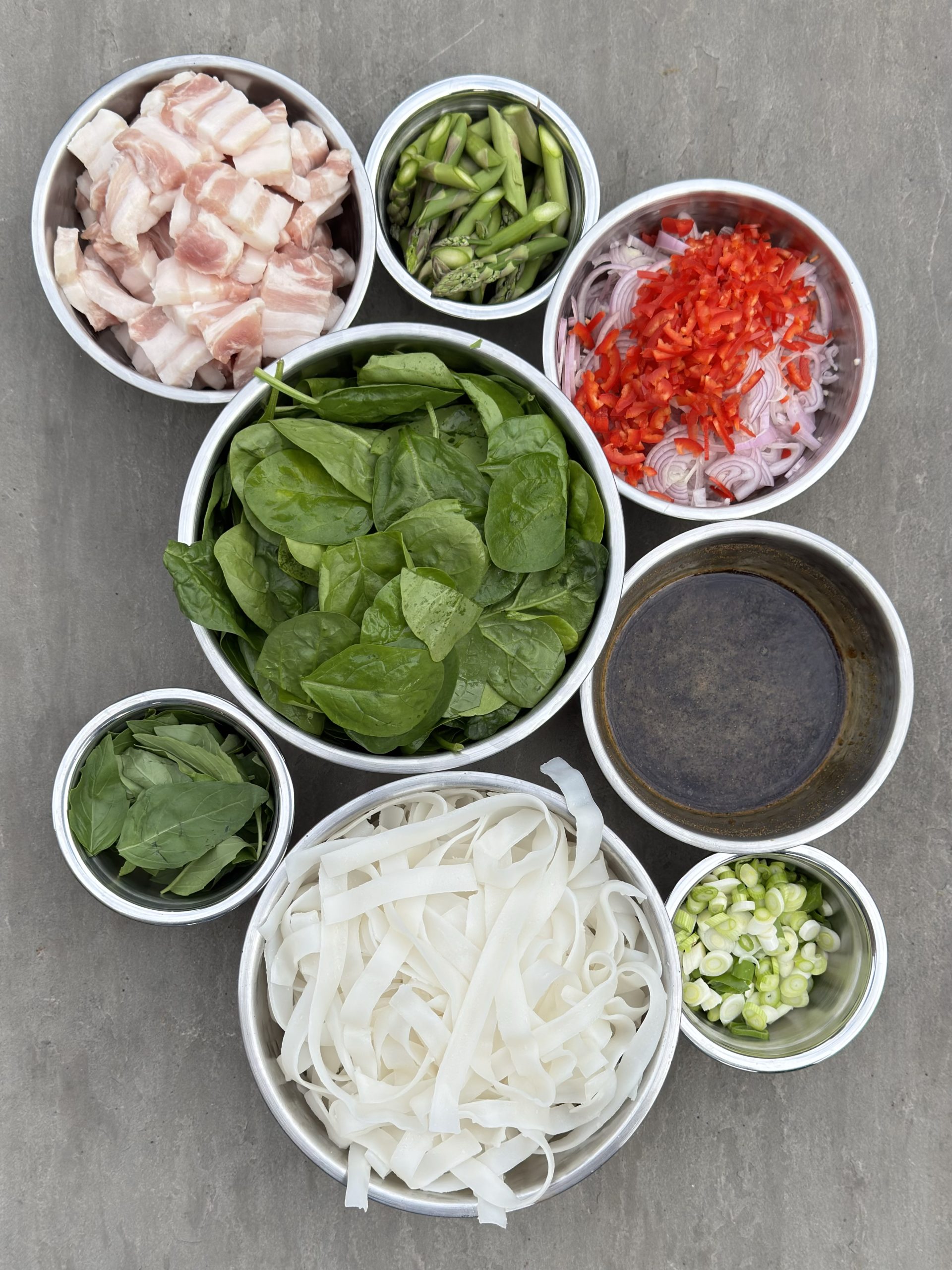
One bowl per ingredient. It sounds simple. It changes everything.
£25-£75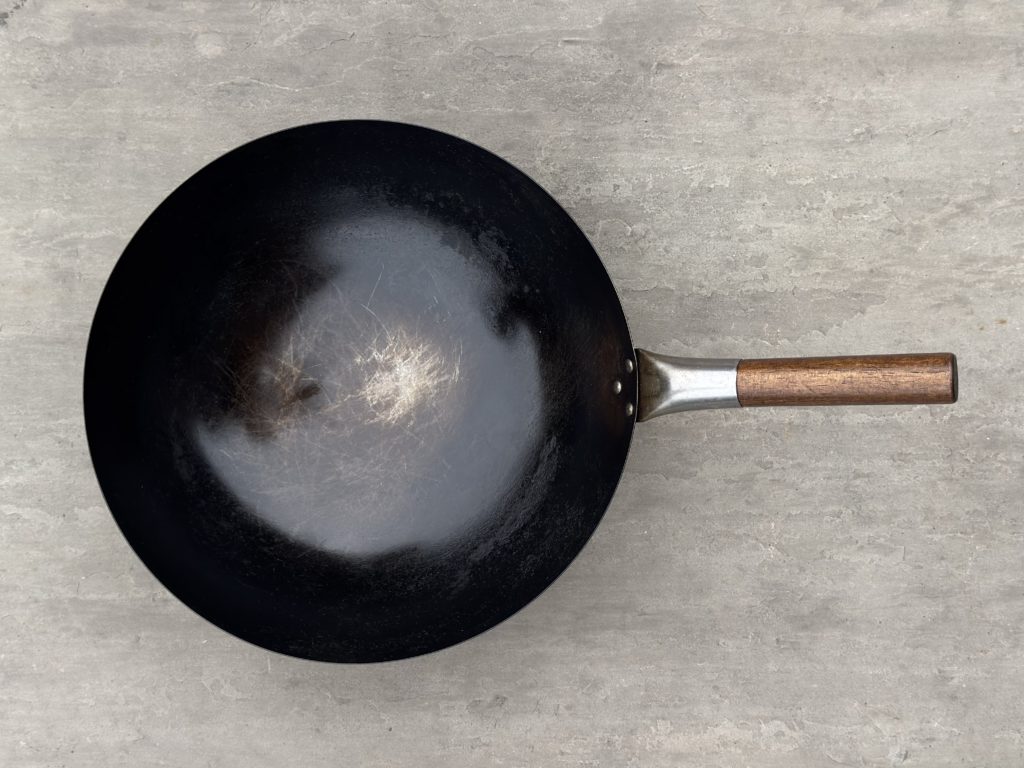
The wok costs £25. The heat underneath it is what you're really paying for.
£10-£25
One bowl per ingredient. It sounds simple. It changes everything.
£25-£75
The wok costs £25. The heat underneath it is what you're really paying for.
£10-£25
One bowl per ingredient. It sounds simple. It changes everything.
£25-£75
The wok costs £25. The heat underneath it is what you're really paying for.
£10-£25
Shape what comes next
Got a recipe you'd love to see, or an idea to make the site better? We read every suggestion.
Log in to suggest